THE ADVENTURE COLLECTIVE® · Independent discovery and booking for outdoor travel

Ride a glass elevator to 2,200 m, walk the highest glass bridge in Northwest Vietnam, and visit the misty Silver Waterfall on a focused half‑day from Sapa. Expect highland winds, panoramic peaks, and a mix of natural and cultural highlights.
Ride a glass elevator to 2,200 m, walk the highest glass bridge in Northwest Vietnam, and visit the misty Silver Waterfall on a focused half‑day from Sapa. Expect highland winds, panoramic peaks, and a mix of natural and cultural highlights.
You step out of the air‑conditioned minivan and the mountain wind hits first—sharp, thin, and carrying the scent of damp pine. A glass elevator hisses upward, depositing you at 2,200 m on O Quy Ho Pass. From the transparent walkway you can see the Hoang Lien Son range folding away like recent scars in the earth; the valley below seems both distant and insistently present.
Verified experiences and guided adventures in the surrounding area.
Operated by Vietravely · Sapa, Lao Cai Province
You step out of the air‑conditioned minivan and the mountain wind hits first—sharp, thin, and carrying the scent of damp pine. A glass elevator hisses upward, depositing you at 2,200 m on O Quy Ho Pass. From the transparent walkway you can see the Hoang Lien Son range folding away like recent scars in the earth; the valley below seems both distant and insistently present.
The pass is one of Vietnam’s high roadways, carved through uplifted limestone and shale. The Hoang Lien Son massif, home to Fansipan, records the collision forces that raised northern Indochina. Nearby villages are predominantly H'mong and Red Dzao; local guides on the tour translate oral histories about terrace farming, indigo dyeing, and seasonal transhumance into short, human-scale stories that fit the half‑day format.
A short drive takes you to Silver Waterfall (Thác Bạc), where runoff from the high peaks turns into a cool, foamy descent—an accessible freshwater ribbon that invites photographs and a quick walk along its base.
Practical notes: the tour runs about 4–4.5 hours with hotel pickup in Sapa, includes entrance to the Rong May complex and the waterfall, and is best attempted with moderate fitness. Weather at 2,200 m is changeable—dress in layers, carry sun protection and a waterproof shell, and expect strong winds on the bridge. The glass elevator minimizes strenuous climbing, but visitors with cardiovascular concerns or pregnancy should avoid the experience. For photographers, aim for morning light or late afternoon for softer contrasts and fewer crowds.
moderate.
4–4.5 hours.
Suitable for travelers with moderate fitness—brief walks on uneven surfaces and short stair climbs may be required.
The tour lasts about 4–4.5 hours and includes hotel pickup in Sapa, transport in an air‑conditioned vehicle, entrance to the Rong May complex and Silver Waterfall, plus guide services.
The bridge and elevator are engineered for public use, but children should be supervised and older adults should consider mobility and balance—there are stairs and windy conditions at the viewpoints.
Operators may cancel in heavy fog, storms, or high winds for safety; the cancellation policy typically allows a full refund if canceled at least 24 hours in advance.
Rong May tourism complex and the Silver Waterfall site have basic restroom and snack options, but bring water and snacks for comfort during transfers.
O Quy Ho Pass has long linked northern valleys and was formalized into a paved route during 20th‑century road building; ethnic minority groups in the region maintain distinct agricultural and textile traditions.
Stay on marked paths to protect fragile alpine vegetation; avoid disposable plastics and support local vendors to channel tourism revenue into the community.
Vietravely operates guided outdoor trips and adventures with an emphasis on safety, stewardship, and memorable experiences.
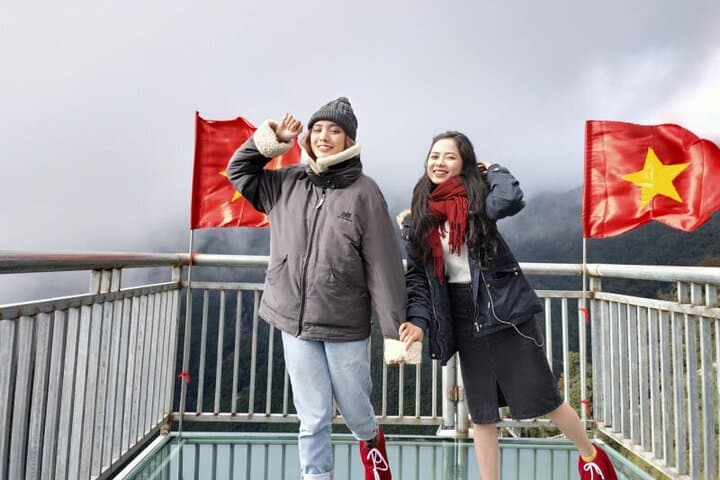
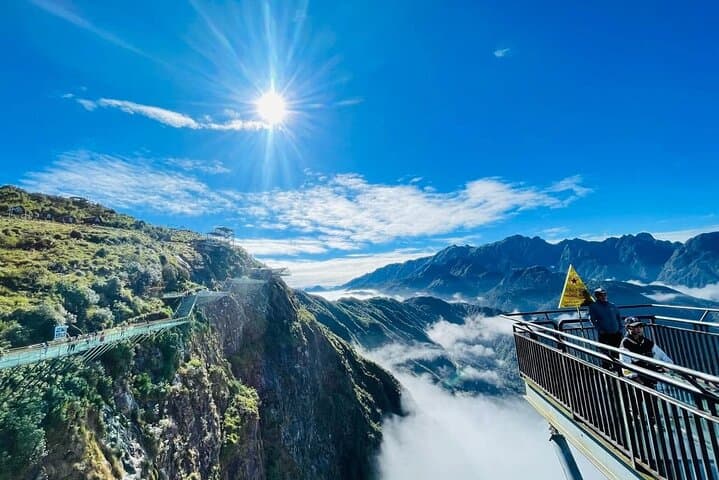
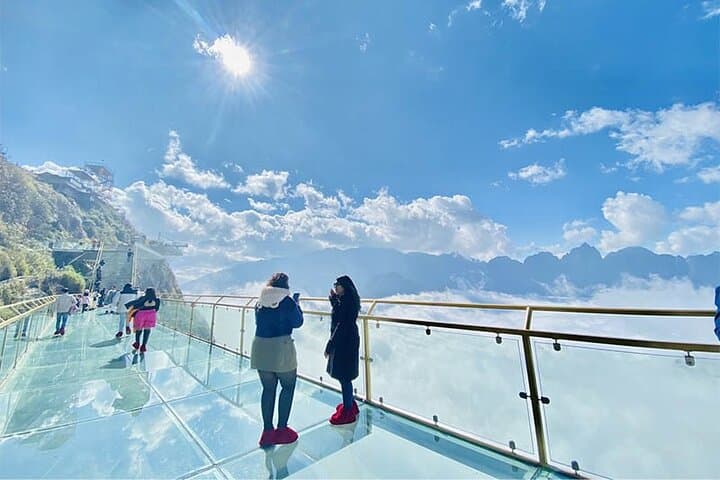
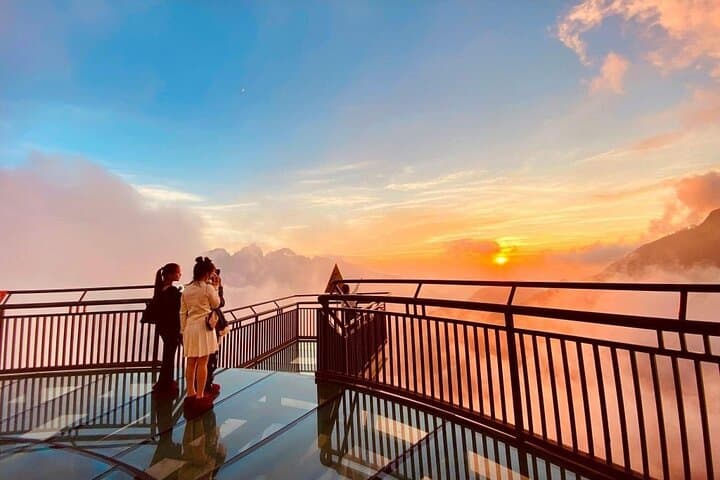
You step out of the air‑conditioned minivan and the mountain wind hits first—sharp, thin, and carrying the scent of damp pine. A glass elevator hisses upward, depositing you at 2,200 m on O Quy Ho Pass. From the transparent walkway you can see the Hoang Lien Son range folding away like recent scars in the earth; the valley below seems both distant and insistently present.
You step out of the air‑conditioned minivan and the mountain wind hits first—sharp, thin, and carrying the scent of damp pine. A glass elevator hisses upward, depositing you at 2,200 m on O Quy Ho Pass. From the transparent walkway you can see the Hoang Lien Son range folding away like recent scars in the earth; the valley below seems both distant and insistently present.
The pass is one of Vietnam’s high roadways, carved through uplifted limestone and shale. The Hoang Lien Son massif, home to Fansipan, records the collision forces that raised northern Indochina. Nearby villages are predominantly H'mong and Red Dzao; local guides on the tour translate oral histories about terrace farming, indigo dyeing, and seasonal transhumance into short, human-scale stories that fit the half‑day format.
A short drive takes you to Silver Waterfall (Thác Bạc), where runoff from the high peaks turns into a cool, foamy descent—an accessible freshwater ribbon that invites photographs and a quick walk along its base.
Practical notes: the tour runs about 4–4.5 hours with hotel pickup in Sapa, includes entrance to the Rong May complex and the waterfall, and is best attempted with moderate fitness. Weather at 2,200 m is changeable—dress in layers, carry sun protection and a waterproof shell, and expect strong winds on the bridge. The glass elevator minimizes strenuous climbing, but visitors with cardiovascular concerns or pregnancy should avoid the experience. For photographers, aim for morning light or late afternoon for softer contrasts and fewer crowds.