THE ADVENTURE COLLECTIVE® · Independent discovery and booking for outdoor travel

Walk ancient rice terraces and visit H’Mong and Giay villages in the Muong Hoa Valley on a guided day trek from Sapa. Expect steep terraces, cultural encounters, and six hours of varied mountain trails.
Walk ancient rice terraces and visit H’Mong and Giay villages in the Muong Hoa Valley on a guided day trek from Sapa. Expect steep terraces, cultural encounters, and six hours of varied mountain trails.
A low cloud sits in the valley like a slow-moving river, parting now and then to reveal terraces that step down toward a small, rushing stream. On a full-day trek from Sapa town, hikers move through carved rice benches and narrow dirt trails guided by local H’Mong guides who read the land the way others read maps.
Verified experiences and guided adventures in the surrounding area.
Operated by Trekking SaPa Chu · Sapa, Lao Cai
A low cloud sits in the valley like a slow-moving river, parting now and then to reveal terraces that step down toward a small, rushing stream. On a full-day trek from Sapa town, hikers move through carved rice benches and narrow dirt trails guided by local H’Mong guides who read the land the way others read maps.
The Muong Hoa Valley is shaped by limestone ridges and the runoff from Fansipan’s slopes; centuries of hand-built terraces cling to steep hillsides and carry seasonal water like an old irrigation language. The valleys are home to Black H’Mong and Giay communities whose wooden houses, textile crafts, and upland rice cultivation reflect generations of adaptation to altitude and rainfall.
Cat Cat, Y Linh Ho, Lao Chai and Ta Van are the day’s waypoints—each village a lesson in terrace farming, silverwork and hospitality. Streams will push at your ankles after rain; bamboo bridges creak with story and use. The geology is simple to read: narrow alluvial floors, steep colluvial slopes, and terraces cut to hold both earth and memory.
Practical guidance is straightforward: expect six hours on uneven, sometimes muddy trails with 400–600 m of cumulative ascent and descent spread across the day. Carry at least 2 liters of water, sturdy footwear, rain protection, and local currency for small purchases. Start early to avoid afternoon storms, keep a steady pace with your guide, and allow time to pause for cultural exchange—photography is welcome, but ask before shooting portraits. This trek rewards curiosity and respect: move deliberately, stay hydrated, and let the valley reveal its rhythms.
moderate.
6 hours.
Should be in good aerobic condition and comfortable with sustained uphill and downhill hiking; prior day hikes or stair-climbing training recommended.
The route is moderate: uneven ground and sustained climbs make it suitable for reasonably fit beginners who move at a steady pace and take breaks.
Sapa sits around 1,500 m—most visitors adapt quickly, but light symptoms are possible; stay hydrated, eat, and descend if you feel unwell.
Lunch is included on this tour; bring extra snacks for energy between stops or if you have specific dietary needs.
A local H’Mong guide is included and recommended—their knowledge of trails, culture and weather makes navigation and village visits far smoother.
The Muong Hoa Valley has been farmed for centuries by ethnic minority groups; terraces and weaving traditions date to long-standing upland agricultural systems.
Tourism supports local incomes, but stick to marked paths, avoid dumping waste, and buy crafts directly from artisans to keep economic benefits local.
Trekking SaPa Chu operates guided outdoor trips and adventures with an emphasis on safety, stewardship, and memorable experiences.
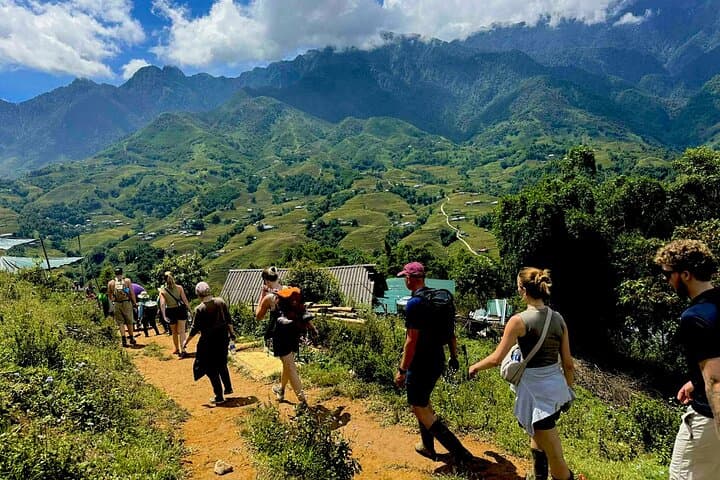
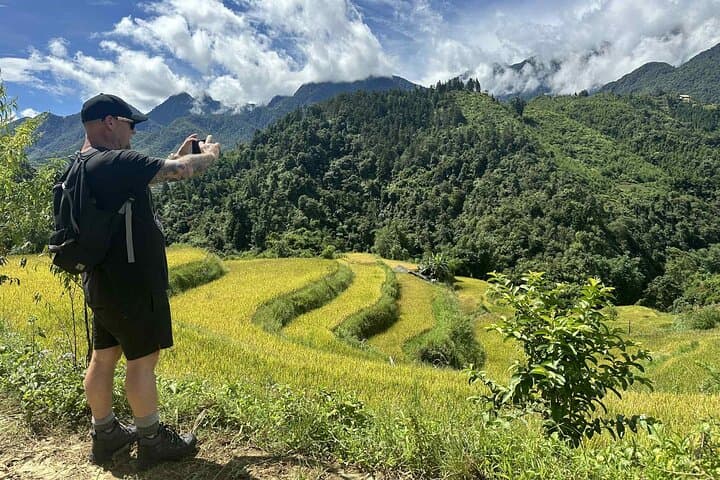
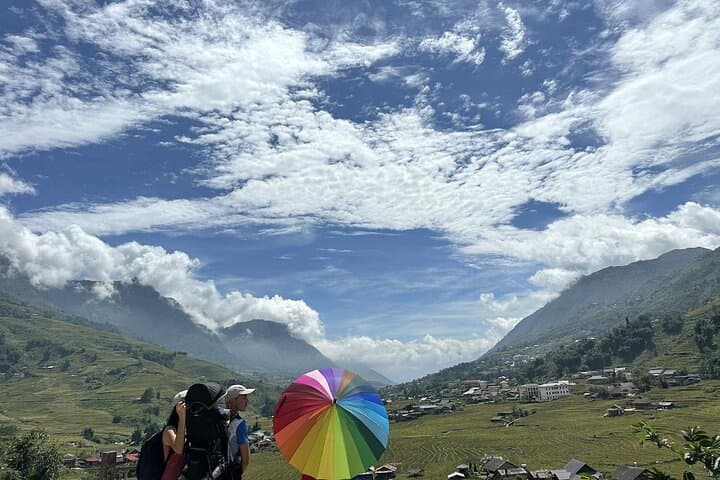
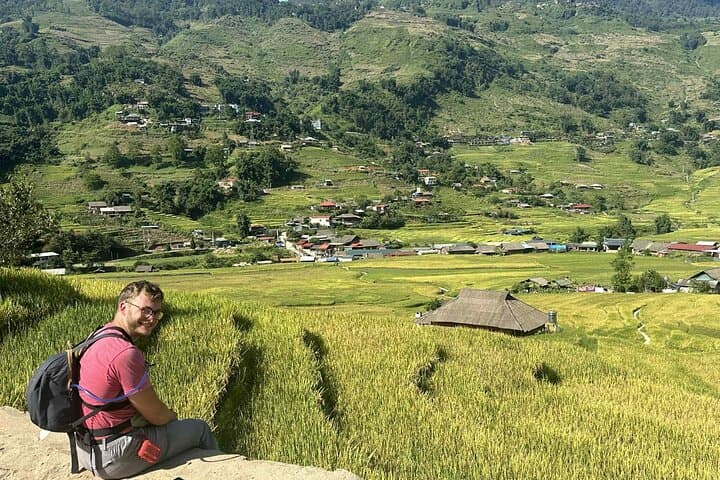
A low cloud sits in the valley like a slow-moving river, parting now and then to reveal terraces that step down toward a small, rushing stream. On a full-day trek from Sapa town, hikers move through carved rice benches and narrow dirt trails guided by local H’Mong guides who read the land the way others read maps.
A low cloud sits in the valley like a slow-moving river, parting now and then to reveal terraces that step down toward a small, rushing stream. On a full-day trek from Sapa town, hikers move through carved rice benches and narrow dirt trails guided by local H’Mong guides who read the land the way others read maps.
The Muong Hoa Valley is shaped by limestone ridges and the runoff from Fansipan’s slopes; centuries of hand-built terraces cling to steep hillsides and carry seasonal water like an old irrigation language. The valleys are home to Black H’Mong and Giay communities whose wooden houses, textile crafts, and upland rice cultivation reflect generations of adaptation to altitude and rainfall.
Cat Cat, Y Linh Ho, Lao Chai and Ta Van are the day’s waypoints—each village a lesson in terrace farming, silverwork and hospitality. Streams will push at your ankles after rain; bamboo bridges creak with story and use. The geology is simple to read: narrow alluvial floors, steep colluvial slopes, and terraces cut to hold both earth and memory.
Practical guidance is straightforward: expect six hours on uneven, sometimes muddy trails with 400–600 m of cumulative ascent and descent spread across the day. Carry at least 2 liters of water, sturdy footwear, rain protection, and local currency for small purchases. Start early to avoid afternoon storms, keep a steady pace with your guide, and allow time to pause for cultural exchange—photography is welcome, but ask before shooting portraits. This trek rewards curiosity and respect: move deliberately, stay hydrated, and let the valley reveal its rhythms.