THE ADVENTURE COLLECTIVE® · Independent discovery and booking for outdoor travel

Walk terraces and stay with a village family, then glide to Fansipan’s summit by cable car. This 2-day itinerary pairs cultural trekking around Sapa with a panoramic, low-effort peak experience.
Walk terraces and stay with a village family, then glide to Fansipan’s summit by cable car. This 2-day itinerary pairs cultural trekking around Sapa with a panoramic, low-effort peak experience.
Dawn breaks over tiers of rice paddies and a thin veil of mist clings to the ridgelines as hikers set off from a village homestay near Sapa. Early-morning smoke from kitchen fires mixes with the cool, mountain air; terraces step down like carved benches, and the path threads between wooden houses and willow trees. By day two the landscape opens to the rugged silhouette of Fansipan — the Roof of Indochina — its summit often crowned in cloud.
Verified experiences and guided adventures in the surrounding area.
Operated by BCFamilyTour.com · Sapa, Lao Cai
Dawn breaks over tiers of rice paddies and a thin veil of mist clings to the ridgelines as hikers set off from a village homestay near Sapa. Early-morning smoke from kitchen fires mixes with the cool, mountain air; terraces step down like carved benches, and the path threads between wooden houses and willow trees. By day two the landscape opens to the rugged silhouette of Fansipan — the Roof of Indochina — its summit often crowned in cloud.
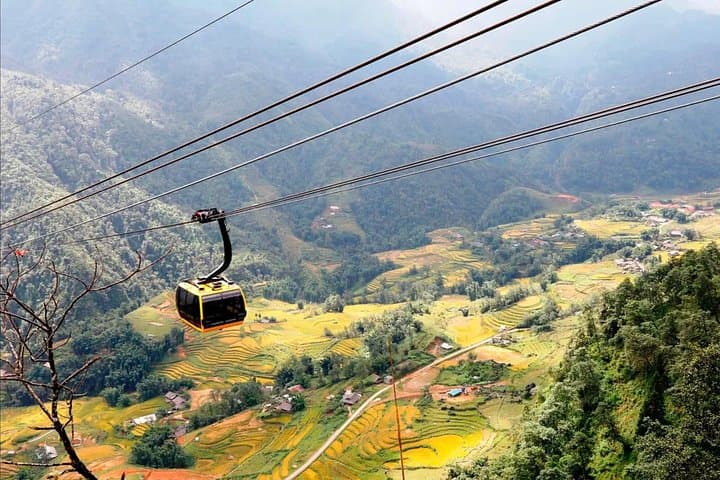
The northern Hoang Lien Range is geologically young, folded limestone and metamorphic rock pushed up by tectonic forces; culturally it’s been home to Hmong and Dao communities for centuries, who maintain terracing and traditional handicrafts still visible along the route. The modern cable car, which climbs roughly 1,410 m across a span of about 6.3 km, transforms the summit approach into a panoramic glide above valleys and forested slopes.
Expect mixed terrain: well-worn village trails, stone steps, muddy sections after rain and short forest tracks. The trip balances cultural immersion—village visits and a homestay—with a relatively low-effort summit experience via cable car, making it accessible for many fitness levels. Practical pointers: bring sturdy, treaded shoes for wet steps, a breathable rain shell for sudden mountain showers, and tempo your hike to the village pace—slow and observant. Hydrate early; altitude rises from Sapa (~1,600 m) toward Fansipan (3,143 m), so move deliberately and give your lungs time.
Timing matters: mornings clear views, afternoons invite mist. Carry small local currency for village purchases and be ready to trade conversation for stories—the landscape rewards patience and curiosity.
moderate.
2 days.
Able to walk 3–6 hours over uneven, sometimes steep terrain; basic stamina for day hikes is sufficient
No—this itinerary uses the Fansipan cable car and mountain train to access the summit area, so technical climbing skills are not required.
Most tours include a bus or train transfer from Hanoi; the road journey is about 5–6 hours by modern coach depending on traffic and stops.
Typical inclusions are guide services for trekking, entrance fees, and the Fansipan cable car ticket; check your booking for homestay and transfer details.
Clearer views are most common in spring (March–May) and autumn (September–November); summer brings warmer days and heavier rains that can soften trails.
The Hoang Lien Range has been home to Hmong and Dao ethnic groups for centuries; French colonial routes in the late 19th–early 20th centuries opened the area to outside travelers.
Increased tourism has pressured trail erosion and waste management; choose local homestays that follow Leave No Trace principles and support community-run services.
BCFamilyTour.com operates guided outdoor trips and adventures with an emphasis on safety, stewardship, and memorable experiences.
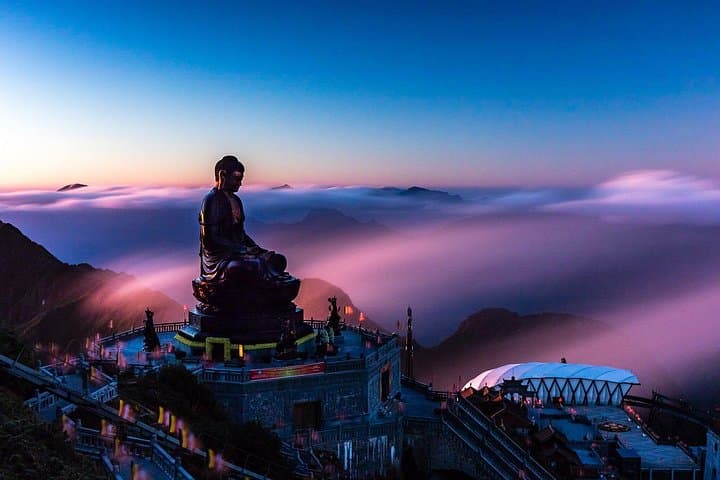


Dawn breaks over tiers of rice paddies and a thin veil of mist clings to the ridgelines as hikers set off from a village homestay near Sapa. Early-morning smoke from kitchen fires mixes with the cool, mountain air; terraces step down like carved benches, and the path threads between wooden houses and willow trees. By day two the landscape opens to the rugged silhouette of Fansipan — the Roof of Indochina — its summit often crowned in cloud.
Dawn breaks over tiers of rice paddies and a thin veil of mist clings to the ridgelines as hikers set off from a village homestay near Sapa. Early-morning smoke from kitchen fires mixes with the cool, mountain air; terraces step down like carved benches, and the path threads between wooden houses and willow trees. By day two the landscape opens to the rugged silhouette of Fansipan — the Roof of Indochina — its summit often crowned in cloud.
The northern Hoang Lien Range is geologically young, folded limestone and metamorphic rock pushed up by tectonic forces; culturally it’s been home to Hmong and Dao communities for centuries, who maintain terracing and traditional handicrafts still visible along the route. The modern cable car, which climbs roughly 1,410 m across a span of about 6.3 km, transforms the summit approach into a panoramic glide above valleys and forested slopes.
Expect mixed terrain: well-worn village trails, stone steps, muddy sections after rain and short forest tracks. The trip balances cultural immersion—village visits and a homestay—with a relatively low-effort summit experience via cable car, making it accessible for many fitness levels. Practical pointers: bring sturdy, treaded shoes for wet steps, a breathable rain shell for sudden mountain showers, and tempo your hike to the village pace—slow and observant. Hydrate early; altitude rises from Sapa (~1,600 m) toward Fansipan (3,143 m), so move deliberately and give your lungs time.
Timing matters: mornings clear views, afternoons invite mist. Carry small local currency for village purchases and be ready to trade conversation for stories—the landscape rewards patience and curiosity.