THE ADVENTURE COLLECTIVE® · Independent discovery and booking for outdoor travel

Shop a bustling Sapa market with a local ethnic-minority chef, then learn to cook northern Vietnamese dishes from market pick to plated meal. This hands-on class blends local culture, practical techniques and a few regional surprises.
Shop a bustling Sapa market with a local ethnic-minority chef, then learn to cook northern Vietnamese dishes from market pick to plated meal. This hands-on class blends local culture, practical techniques and a few regional surprises.
A dawn mist hangs low over Sapa’s stepped rice terraces as you meet your ethnic-minority chef in the town market—voices, crushed ice, and the sharp perfume of lemongrass. The class begins where Vietnamese food begins: at the stall. You’ll move between baskets of herbs, pungent fish sauce, and limes, learning how local ingredients define the flavors of northern Vietnam.
Verified experiences and guided adventures in the surrounding area.
Operated by Vietnam - Hanoi Package Tours · Sapa, Lao Cai
A dawn mist hangs low over Sapa’s stepped rice terraces as you meet your ethnic-minority chef in the town market—voices, crushed ice, and the sharp perfume of lemongrass. The class begins where Vietnamese food begins: at the stall. You’ll move between baskets of herbs, pungent fish sauce, and limes, learning how local ingredients define the flavors of northern Vietnam.
Sapa sits on a highland rim carved by rivers and glaciers, a place the French turned into a hill station in the early 20th century. That colonial footprint sits beside older traditions: Hmong and Red Dao communities whose embroidery, herbal remedies and seasoning approaches shape the region’s cuisine. Geology here matters—minerals in the soil and high-altitude microclimates produce sturdier greens and distinct herbs you won’t find in Hanoi.
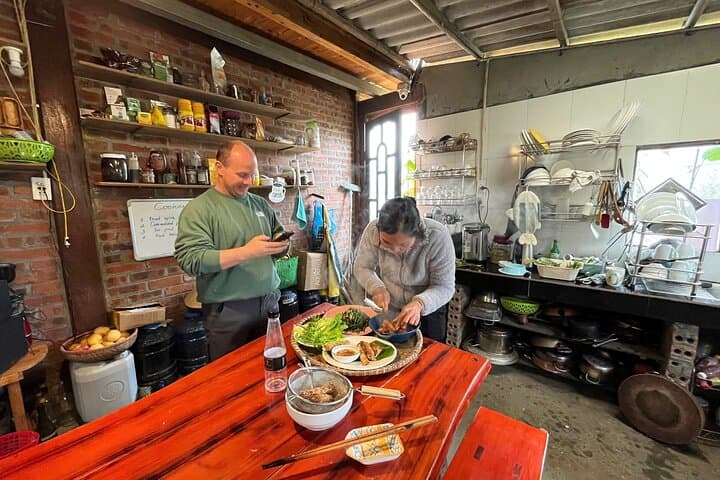
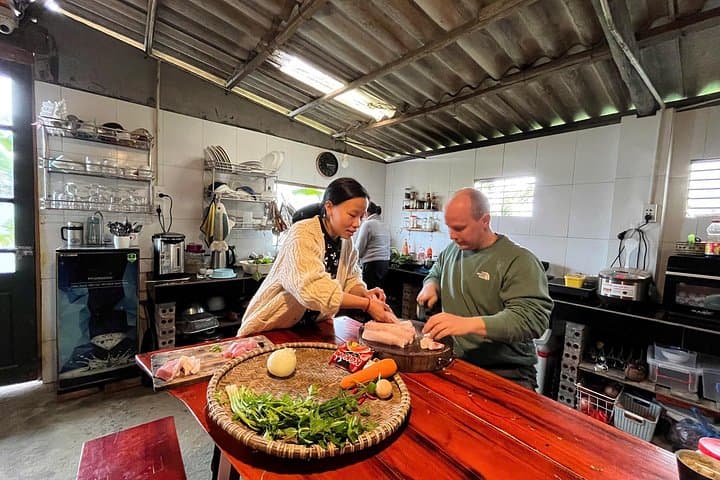
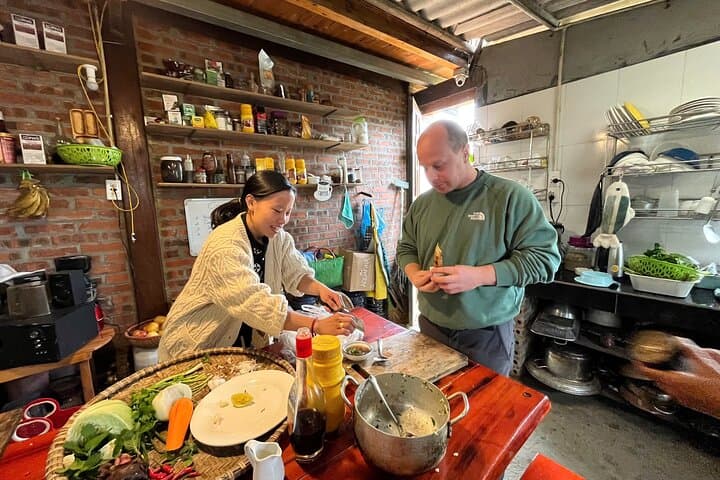
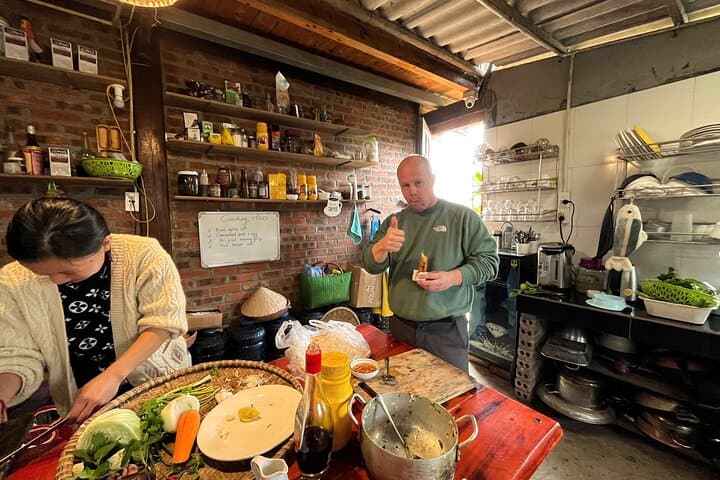
In the kitchen, techniques are practical: balancing fish sauce and acid, toasting spices, rolling rice-paper with firm hands. Expect hands-on time, modest equipment, and a communal table to sample what you’ve cooked—fried spring rolls, lemongrass chicken, and herb-heavy fresh rolls.
Practical guidance: arrive ready to walk the market in closed-toe shoes and layers; the weather can shift fast. Bring dietary notes in advance; the chef can adapt menus. Classes typically run about four hours and often include round-trip sleeping-bus or local hotel pickup. Leave room in your bag for recipes on your phone and small groceries to support the vendors you visited.
easy.
4 hours.
Suitable for most fitness levels; requires walking short market distances and standing during cooking
There is an option for Hanoi pick-up and drop-off by sleeping limousine bus; confirm when booking and expect flexible return dates.
Yes—message the operator in advance with any allergies or vegetarian/vegan requests so the chef can adjust the menu.
Yes—the experience includes a guided market visit to select fresh ingredients and learn about local produce.
The activity is family-friendly; infants must sit on laps for transport and children should be supervised in the kitchen.
Sapa grew as a French hill station in the early 1900s and is home to Hmong and Red Dao communities whose food and textile traditions remain central to local culture.
Tourism supports local income but creates waste and trail pressure; favor local produce, reusable containers, and small vendors to keep benefits local.
Vietnam - Hanoi Package Tours operates guided outdoor trips and adventures with an emphasis on safety, stewardship, and memorable experiences.
A dawn mist hangs low over Sapa’s stepped rice terraces as you meet your ethnic-minority chef in the town market—voices, crushed ice, and the sharp perfume of lemongrass. The class begins where Vietnamese food begins: at the stall. You’ll move between baskets of herbs, pungent fish sauce, and limes, learning how local ingredients define the flavors of northern Vietnam.
A dawn mist hangs low over Sapa’s stepped rice terraces as you meet your ethnic-minority chef in the town market—voices, crushed ice, and the sharp perfume of lemongrass. The class begins where Vietnamese food begins: at the stall. You’ll move between baskets of herbs, pungent fish sauce, and limes, learning how local ingredients define the flavors of northern Vietnam.
Sapa sits on a highland rim carved by rivers and glaciers, a place the French turned into a hill station in the early 20th century. That colonial footprint sits beside older traditions: Hmong and Red Dao communities whose embroidery, herbal remedies and seasoning approaches shape the region’s cuisine. Geology here matters—minerals in the soil and high-altitude microclimates produce sturdier greens and distinct herbs you won’t find in Hanoi.
In the kitchen, techniques are practical: balancing fish sauce and acid, toasting spices, rolling rice-paper with firm hands. Expect hands-on time, modest equipment, and a communal table to sample what you’ve cooked—fried spring rolls, lemongrass chicken, and herb-heavy fresh rolls.
Practical guidance: arrive ready to walk the market in closed-toe shoes and layers; the weather can shift fast. Bring dietary notes in advance; the chef can adapt menus. Classes typically run about four hours and often include round-trip sleeping-bus or local hotel pickup. Leave room in your bag for recipes on your phone and small groceries to support the vendors you visited.