THE ADVENTURE COLLECTIVE® · Independent discovery and booking for outdoor travel

Two days of highland trails, ethnic markets and village life: descend to Cat Cat waterfall, spend a night in Sapa, then head to Bac Ha’s Sunday market to watch minority trade rituals unfold. This tightly paced tour pairs easy walking with deep cultural encounters.
Two days of highland trails, ethnic markets and village life: descend to Cat Cat waterfall, spend a night in Sapa, then head to Bac Ha’s Sunday market to watch minority trade rituals unfold. This tightly paced tour pairs easy walking with deep cultural encounters.
Fog thins over Muong Hoa Valley as the minivan drops you into Sapa’s cool air, terraces slicing the hills like stairways to the clouds. You start with a short, well-graded descent to Cat Cat village, where the Black H’mong weave and the waterfall drums a steady, cheerful beat. The next day the road pushes you east to Bac Ha—where the Sunday market surges with color, barter, and voices from the Flower H’Mong and Tay communities.
Verified experiences and guided adventures in the surrounding area.
Operated by Local Tours ASIA · Sapa, Lào Cai
Fog thins over Muong Hoa Valley as the minivan drops you into Sapa’s cool air, terraces slicing the hills like stairways to the clouds. You start with a short, well-graded descent to Cat Cat village, where the Black H’mong weave and the waterfall drums a steady, cheerful beat. The next day the road pushes you east to Bac Ha—where the Sunday market surges with color, barter, and voices from the Flower H’Mong and Tay communities.
This route stitches history and geology: granite ridges worn into terraces by centuries of human shaping, French-colonial echoes in Lao Cai’s old administrative buildings, and ethnic traditions that predate modern borders. The Bac Ha market has long been a regional trading hub; Hoang A Tuong’s palace nearby recalls early 20th-century local governance and cross-cultural influences.
Expect mountain air that shifts quickly—sunny, then misty—along quiet switchbacks and paved stretches; the Cat Cat walk is mostly downhill and well-marked but includes uneven stone steps. Bac Ha market is sensory and sociable: livestock pens, fabrics, and local coffee. Guides bridge language gaps and handle logistics.
Practical edge: pack a light daypack, waterproof layer, and sturdy shoes with good grip; start early for cooler temperatures and smaller crowds. Hydrate and bring cash in small denominations for market purchases. With a single overnight in a 3–4 star town hotel, this itinerary is efficient for travelers short on time but keen on immersive, walkable mountain culture.
moderate.
2 days (approx. 48 hours).
Suitable for travelers with basic fitness who can handle several hours of walking, short hikes over uneven terrain, and stairs.
The downhill walk from Sapa town to Cat Cat takes around 60–120 minutes at a relaxed pace; return involves steeper uphill sections or short transfers depending on the itinerary.
No—the main Bac Ha market is busiest on Sunday; there are smaller local markets on other days, but Sunday is the largest and most colorful for visitors.
Luggage is handled by the tour’s minivan and sleeper bus segments, but keep a daypack for trails; check baggage limits with the operator for the Hanoi–Sapa bus.
This tour includes two lunches, one dinner, and one breakfast as listed; local restaurant meals allow sampling regional dishes and snacks at the market.
The Sapa region became a hill-station and administrative center during French colonial rule; Bac Ha served historically as a regional trading hub for highland ethnic groups.
Terraced farming and tourism place pressure on soil and water; support local guides, avoid single-use plastics, and buy textiles directly from artisans to help sustain community economies.
Local Tours ASIA operates guided outdoor trips and adventures with an emphasis on safety, stewardship, and memorable experiences.
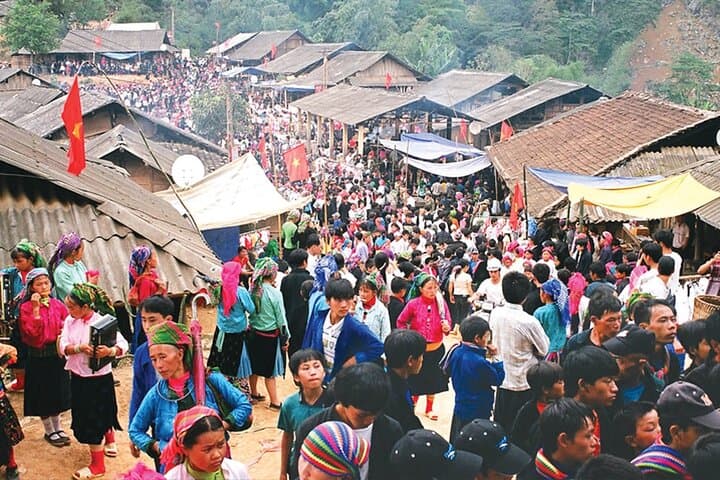
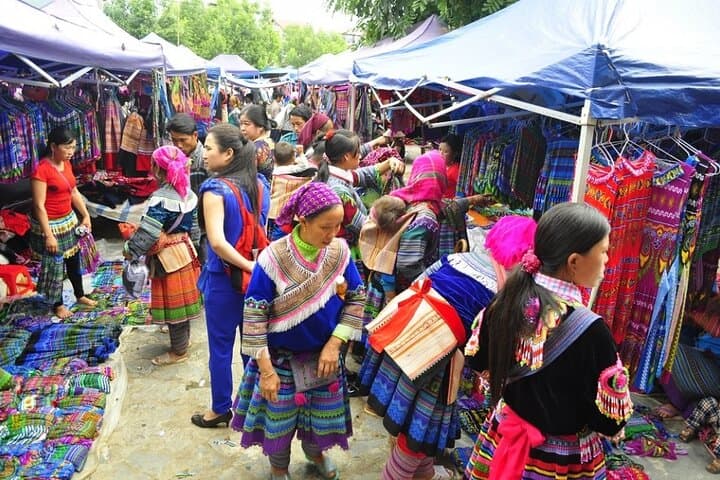
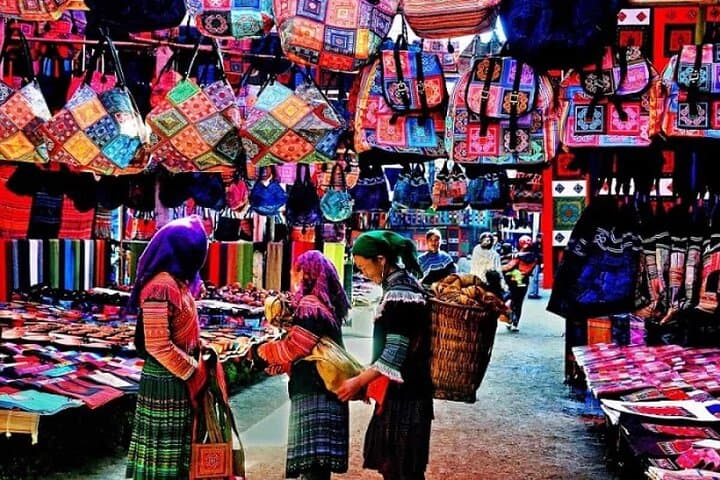
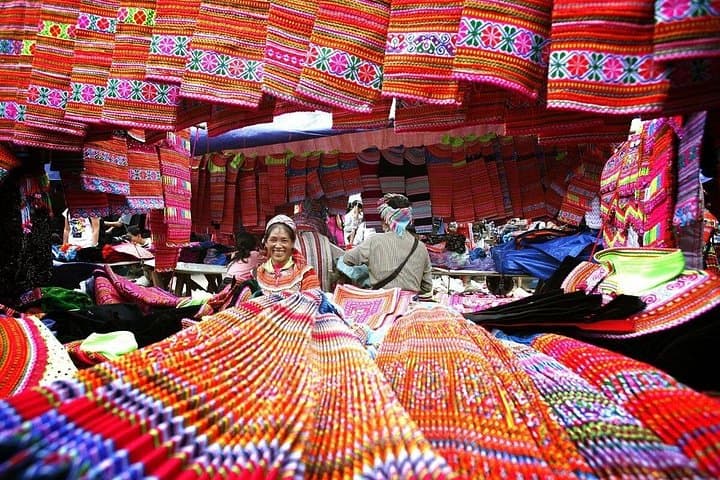
Fog thins over Muong Hoa Valley as the minivan drops you into Sapa’s cool air, terraces slicing the hills like stairways to the clouds. You start with a short, well-graded descent to Cat Cat village, where the Black H’mong weave and the waterfall drums a steady, cheerful beat. The next day the road pushes you east to Bac Ha—where the Sunday market surges with color, barter, and voices from the Flower H’Mong and Tay communities.
Fog thins over Muong Hoa Valley as the minivan drops you into Sapa’s cool air, terraces slicing the hills like stairways to the clouds. You start with a short, well-graded descent to Cat Cat village, where the Black H’mong weave and the waterfall drums a steady, cheerful beat. The next day the road pushes you east to Bac Ha—where the Sunday market surges with color, barter, and voices from the Flower H’Mong and Tay communities.
This route stitches history and geology: granite ridges worn into terraces by centuries of human shaping, French-colonial echoes in Lao Cai’s old administrative buildings, and ethnic traditions that predate modern borders. The Bac Ha market has long been a regional trading hub; Hoang A Tuong’s palace nearby recalls early 20th-century local governance and cross-cultural influences.
Expect mountain air that shifts quickly—sunny, then misty—along quiet switchbacks and paved stretches; the Cat Cat walk is mostly downhill and well-marked but includes uneven stone steps. Bac Ha market is sensory and sociable: livestock pens, fabrics, and local coffee. Guides bridge language gaps and handle logistics.
Practical edge: pack a light daypack, waterproof layer, and sturdy shoes with good grip; start early for cooler temperatures and smaller crowds. Hydrate and bring cash in small denominations for market purchases. With a single overnight in a 3–4 star town hotel, this itinerary is efficient for travelers short on time but keen on immersive, walkable mountain culture.