THE ADVENTURE COLLECTIVE® · Independent discovery and booking for outdoor travel

A single-day trek from Sapa through Suoi Ho, Giang Cha and Ta Phin offers quiet rice terraces, pine-forest descents and direct contact with Black Hmong and Red Dzao village life. This 12–13 km route balances accessible terrain with authentic cultural encounters.
A single-day trek from Sapa through Suoi Ho, Giang Cha and Ta Phin offers quiet rice terraces, pine-forest descents and direct contact with Black Hmong and Red Dzao village life. This 12–13 km route balances accessible terrain with authentic cultural encounters.
Morning light slices the valley as you step off the jeep and into a trail that drops through pine forest toward Suoi Ho. The path threads rice terraces, hops across small streams that dare you to follow their course, and skirts black limestone outcrops before opening to wide views of stepped paddies and smoking kitchen chimneys of Hmong and Dzao villages.
Verified experiences and guided adventures in the surrounding area.
Operated by Sapa Original Trek · Sapa, Lao Cai
Morning light slices the valley as you step off the jeep and into a trail that drops through pine forest toward Suoi Ho. The path threads rice terraces, hops across small streams that dare you to follow their course, and skirts black limestone outcrops before opening to wide views of stepped paddies and smoking kitchen chimneys of Hmong and Dzao villages.
This route moves through Suoi Ho, Giang Cha, Lu Khau, Saxeng and the Ta Phin area — places where minority groups such as the Black Hmong and Red Dzao live in traditional wooden houses. Geologically, the northern Hoang Lien range shows old metamorphic and limestone shelves carved by seasonal water, which feeds the irrigated terraces that define the slope. Culturally the trek offers direct contact with agricultural life: corn drying on racks, people tending buffalo, and handwoven textiles hung to air.
Expect 12–13 km of walking with 200–300 m cumulative elevation change over 4–5 hours on mixed dirt tracks, stone steps and occasional muddy sections. The itinerary includes a local lunch, a guide who speaks English, basic entrance fees, and vehicle transfer back to Sapa town.
Practical notes: wear sturdy hiking shoes with grip, bring rain protection, and carry at least 1 liter of water (0.5L provided). Move respectfully through villages — ask before photographing people and consider small purchases to support local families. Start after breakfast to avoid late-afternoon clouds and aim for firm-soled shoes for limestone and corn-field footing. This is an achievable, scenic day for travelers who want quieter trails and close cultural encounters without overnight camping.
moderate.
4–6 hours.
Suitable for travelers with moderate fitness; expect several sustained climbs and uneven terrain but no technical climbing.
The walk covers about 12–13 km with 200–300 m of cumulative elevation change, rated easy–moderate suitable for most people who can walk 4–5 hours on uneven terrain.
Yes — local lunch, 0.5L water, entrance fees, and return transport by car to Sapa are included in the tour price.
Yes, but be polite: ask permission first and avoid intrusive or commercial-style photography without consent; small purchases are a respectful alternative.
The trek is family-friendly but requires basic mobility; children and older adults should be able to manage several hours of walking and some stairs—check with the operator if mobility concerns exist.
The Hoang Lien Son area has long been home to ethnic minority groups whose terrace agriculture and house styles reflect centuries of adaptation to steep slopes and monsoonal rainfall.
Stick to marked paths to avoid trampling fragile terrace edges; support local conservation by buying goods directly from villagers and avoiding single-use plastics.
Sapa Original Trek operates guided outdoor trips and adventures with an emphasis on safety, stewardship, and memorable experiences.
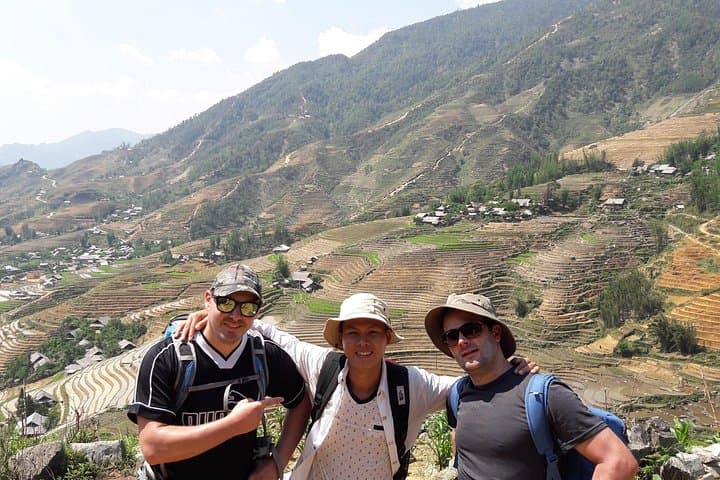
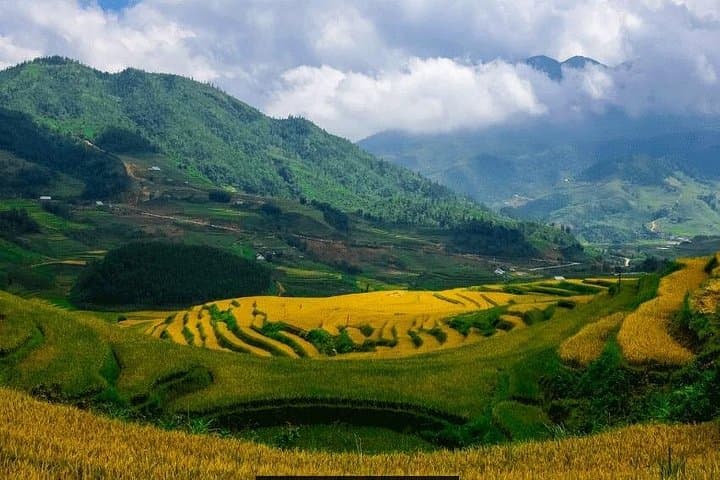
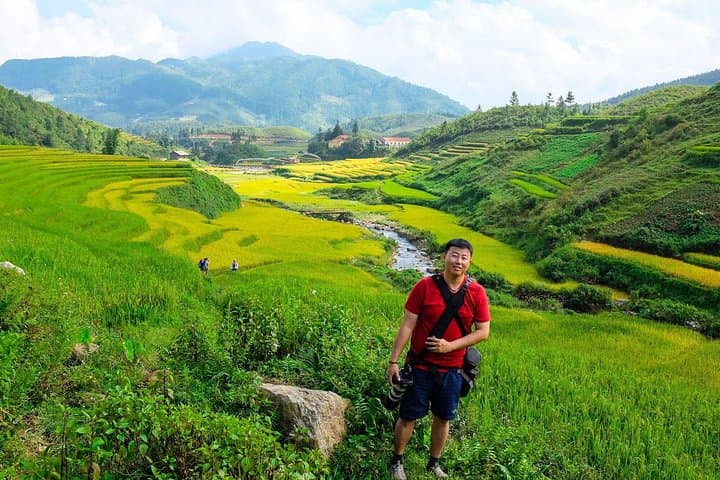
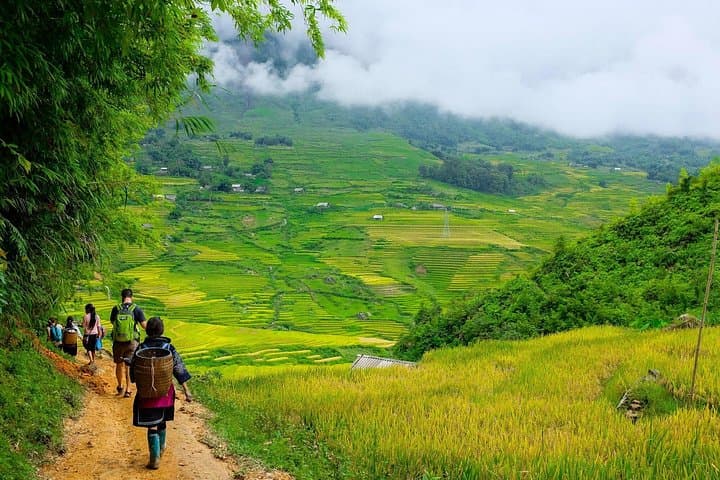
Morning light slices the valley as you step off the jeep and into a trail that drops through pine forest toward Suoi Ho. The path threads rice terraces, hops across small streams that dare you to follow their course, and skirts black limestone outcrops before opening to wide views of stepped paddies and smoking kitchen chimneys of Hmong and Dzao villages.
Morning light slices the valley as you step off the jeep and into a trail that drops through pine forest toward Suoi Ho. The path threads rice terraces, hops across small streams that dare you to follow their course, and skirts black limestone outcrops before opening to wide views of stepped paddies and smoking kitchen chimneys of Hmong and Dzao villages.
This route moves through Suoi Ho, Giang Cha, Lu Khau, Saxeng and the Ta Phin area — places where minority groups such as the Black Hmong and Red Dzao live in traditional wooden houses. Geologically, the northern Hoang Lien range shows old metamorphic and limestone shelves carved by seasonal water, which feeds the irrigated terraces that define the slope. Culturally the trek offers direct contact with agricultural life: corn drying on racks, people tending buffalo, and handwoven textiles hung to air.
Expect 12–13 km of walking with 200–300 m cumulative elevation change over 4–5 hours on mixed dirt tracks, stone steps and occasional muddy sections. The itinerary includes a local lunch, a guide who speaks English, basic entrance fees, and vehicle transfer back to Sapa town.
Practical notes: wear sturdy hiking shoes with grip, bring rain protection, and carry at least 1 liter of water (0.5L provided). Move respectfully through villages — ask before photographing people and consider small purchases to support local families. Start after breakfast to avoid late-afternoon clouds and aim for firm-soled shoes for limestone and corn-field footing. This is an achievable, scenic day for travelers who want quieter trails and close cultural encounters without overnight camping.