THE ADVENTURE COLLECTIVE® · Independent discovery and booking for outdoor travel

A practical three-day introduction to Sapa’s highland trails, this guided tour pairs downhill walks to Cat Cat with ridge- and valley-side treks to Lao Chai, Ta Van and Ta Phin. Perfect for travelers who want culture, terraces, and short but scenic hikes with hotel comfort.
A practical three-day introduction to Sapa’s highland trails, this guided tour pairs downhill walks to Cat Cat with ridge- and valley-side treks to Lao Chai, Ta Van and Ta Phin. Perfect for travelers who want culture, terraces, and short but scenic hikes with hotel comfort.
Stepping off the sleeper bus into thin, cool air, the town of Sapa opens like a living map: rice terraces stack across slopes, streams cut silver lines through valleys, and mountain ridges push the sky back. The first hike drops into Cat Cat village, where stone steps and narrow paths lead past wooden stilt houses and a waterfall that keeps its own steady rhythm.
Verified experiences and guided adventures in the surrounding area.
Operated by LOCAL TOURS VIETNAM · Sapa, Lao Cai Province
Stepping off the sleeper bus into thin, cool air, the town of Sapa opens like a living map: rice terraces stack across slopes, streams cut silver lines through valleys, and mountain ridges push the sky back. The first hike drops into Cat Cat village, where stone steps and narrow paths lead past wooden stilt houses and a waterfall that keeps its own steady rhythm.
This region sits on the Hoang Lien Son range, an outcrop of limestone and shale uplifted against monsoon patterns; Fansipan, Vietnam’s highest peak, looms on clear days. Centuries of upland agriculture have carved the terraces you’ll walk along, and ethnic groups—Black H’mong, Red Dzao, Tay—keep visible threads of language, dress, and craft alive in village life.
Expect single-track trails, well-worn stone stairs, rice-terrace edges, and occasional muddy sections after rain. Typical day hikes here range from short, steep descents to 9 km valley traverses that take about 3–4 hours; altitude around Sapa town is roughly 1,500–1,600 m. The tour’s schedule balances guided village visits with time to explore Sapa market and a short Ta Phin walk to meet Red Dzao families.
Practical edge: pack sturdy shoes, a light waterproof layer, and cash for small purchases. Start hikes early to use the morning light and cooler air; be prepared for quick weather shifts—clouds and drizzle can arrive without fanfare. The bus transfer from Hanoi takes about 5½–6 hours; acclimatize and keep hydrated for steady, comfortable trekking.
moderate.
2–3 days.
Moderate fitness—able to walk 3–6 hours across uneven terrain with short hills
Expect approximately 5½–6 hours by sleeper or coach, depending on traffic and breaks.
Yes—villages are accessible, but children should be supervised on narrow paths and near terraces.
No formal permit is required for these community trails; guided entry fees and village contributions are handled by the tour operator.
Moderate fitness is sufficient—prepare for a mix of flat valley walking and several short uphill sections over 3–4 hours.
Sapa grew as a French colonial hill station in the early 20th century; the surrounding highlands have long been home to diverse ethnic minority communities who practice terraced wet-rice cultivation.
Trails are community-managed; minimize impact by staying on paths, avoiding single-use plastics, and supporting local craft and homestays to incentivize conservation.
LOCAL TOURS VIETNAM operates guided outdoor trips and adventures with an emphasis on safety, stewardship, and memorable experiences.


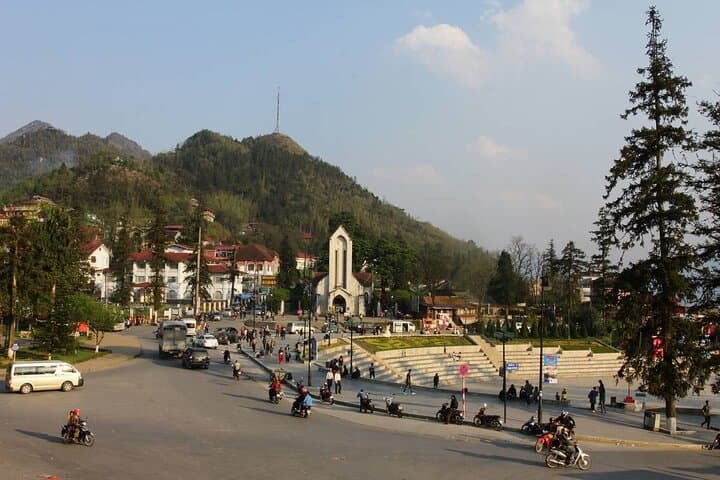
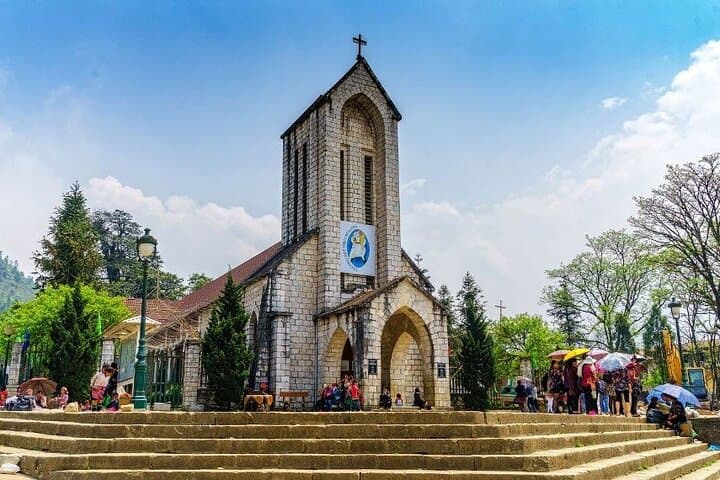
Stepping off the sleeper bus into thin, cool air, the town of Sapa opens like a living map: rice terraces stack across slopes, streams cut silver lines through valleys, and mountain ridges push the sky back. The first hike drops into Cat Cat village, where stone steps and narrow paths lead past wooden stilt houses and a waterfall that keeps its own steady rhythm.
Stepping off the sleeper bus into thin, cool air, the town of Sapa opens like a living map: rice terraces stack across slopes, streams cut silver lines through valleys, and mountain ridges push the sky back. The first hike drops into Cat Cat village, where stone steps and narrow paths lead past wooden stilt houses and a waterfall that keeps its own steady rhythm.
This region sits on the Hoang Lien Son range, an outcrop of limestone and shale uplifted against monsoon patterns; Fansipan, Vietnam’s highest peak, looms on clear days. Centuries of upland agriculture have carved the terraces you’ll walk along, and ethnic groups—Black H’mong, Red Dzao, Tay—keep visible threads of language, dress, and craft alive in village life.
Expect single-track trails, well-worn stone stairs, rice-terrace edges, and occasional muddy sections after rain. Typical day hikes here range from short, steep descents to 9 km valley traverses that take about 3–4 hours; altitude around Sapa town is roughly 1,500–1,600 m. The tour’s schedule balances guided village visits with time to explore Sapa market and a short Ta Phin walk to meet Red Dzao families.
Practical edge: pack sturdy shoes, a light waterproof layer, and cash for small purchases. Start hikes early to use the morning light and cooler air; be prepared for quick weather shifts—clouds and drizzle can arrive without fanfare. The bus transfer from Hanoi takes about 5½–6 hours; acclimatize and keep hydrated for steady, comfortable trekking.