THE ADVENTURE COLLECTIVE® · Independent discovery and booking for outdoor travel

Move from misted terraces to village life on a focused three-day trek from Sapa. Hike Cat Cat, Lao Chai and Ta Van with guided transfers, one hotel night and a homestay bungalow.
Move from misted terraces to village life on a focused three-day trek from Sapa. Hike Cat Cat, Lao Chai and Ta Van with guided transfers, one hotel night and a homestay bungalow.
Dawn in the Hoang Lien Son foothills strips the valley of mist and reveals terraces glassy with last night's rain. On this compact three-day route, trekkers move from Sapa town into carved rice steps, follow the Muong Hoa stream, and descend to the Black Hmong hamlet of Cat Cat where a French-era waterfall and small hydro works punctuate mountain life.
Verified experiences and guided adventures in the surrounding area.
Operated by LOCAL TOURS VIETNAM · Sa Pa, Lào Cai
Dawn in the Hoang Lien Son foothills strips the valley of mist and reveals terraces glassy with last night's rain. On this compact three-day route, trekkers move from Sapa town into carved rice steps, follow the Muong Hoa stream, and descend to the Black Hmong hamlet of Cat Cat where a French-era waterfall and small hydro works punctuate mountain life.
The region sits on the southern edge of the Tibetan Plateau, uplifted by tectonic collision and shaped by centuries of terraced agriculture. Sapa’s compact history blends Lao Cai province’s ethnic diversity—H'mong, Dzay, Red Dzao—and a short period of French hill-station development; traces remain in stone paths and a small hydroelectric ruin at Cat Cat.
Expect walking sections ranging from short 3.5 km valley drops to full-day efforts of roughly 12 km between Y Linh Ho, Lao Chai and Ta Van, with frequent ups, downs and stair-like terraces. Trails run along streams, through bamboo copses and rice paddies; the weather is changeable and the valley can feel both still and alive as winds push clouds across Fansipan’s shadow.
Logistics are straightforward: an early morning bus from Hanoi (~6 hours), guided walks, one night in a Sapa hotel and one in a local bungalow/homestay, and meals included per itinerary. Practical prep pays off—break in boots, carry layered rain protection, and bring local currency for small purchases and tips. Respect household routines at homestays, stay on marked paths to limit erosion, and use refillable bottles to reduce plastic waste.
moderate.
3 days.
Moderate fitness—comfortable walking for 4–6 hours on day two with short steep sections; no high-altitude technical fitness required.
Expect about 5.5–6.5 hours each way by modern A/C bus with scheduled comfort stops.
Yes—this tour includes 2 breakfasts, 3 lunches and 2 dinners as outlined in the itinerary, with local Vietnamese dishes provided by hotels and homestays.
No technical experience is required; basic hiking fitness and steady balance on uneven terrain are enough for the listed trails.
Main luggage can stay on the bus; bring a small daypack for personal items—homestays provide basic bedding and lodging is included.
Sapa grew as a French colonial hill station in the early 20th century and the area’s villages have long been home to H'mong, Dzay and Dzao ethnic groups who maintain distinctive dress and agricultural practices.
Trail erosion and waste from increased tourism are local concerns; stay on marked paths, use refillable bottles, and prefer homestays that practice sustainable waste management.
LOCAL TOURS VIETNAM operates guided outdoor trips and adventures with an emphasis on safety, stewardship, and memorable experiences.
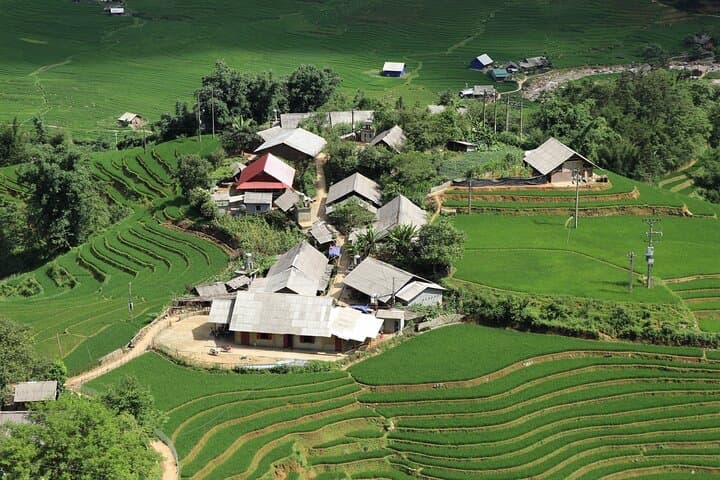
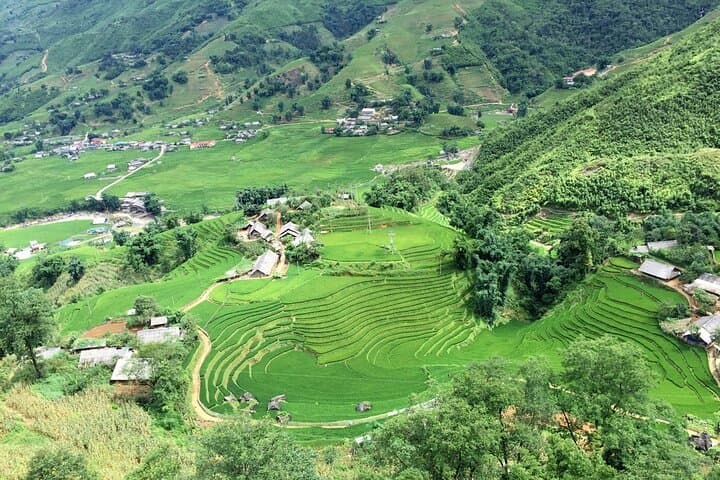
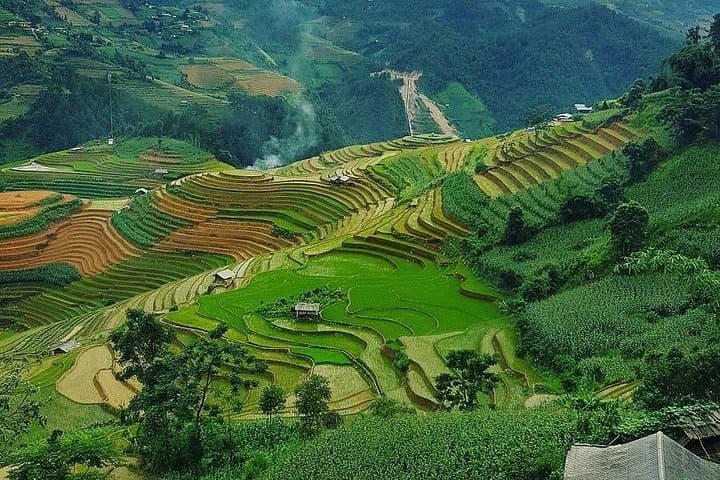
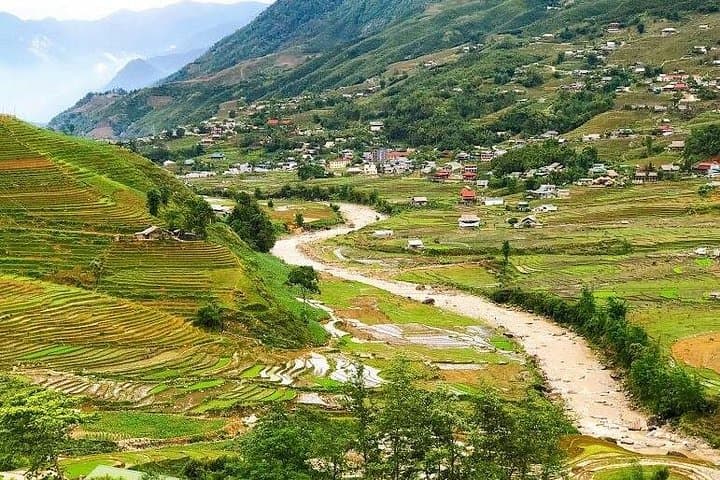
Dawn in the Hoang Lien Son foothills strips the valley of mist and reveals terraces glassy with last night's rain. On this compact three-day route, trekkers move from Sapa town into carved rice steps, follow the Muong Hoa stream, and descend to the Black Hmong hamlet of Cat Cat where a French-era waterfall and small hydro works punctuate mountain life.
Dawn in the Hoang Lien Son foothills strips the valley of mist and reveals terraces glassy with last night's rain. On this compact three-day route, trekkers move from Sapa town into carved rice steps, follow the Muong Hoa stream, and descend to the Black Hmong hamlet of Cat Cat where a French-era waterfall and small hydro works punctuate mountain life.
The region sits on the southern edge of the Tibetan Plateau, uplifted by tectonic collision and shaped by centuries of terraced agriculture. Sapa’s compact history blends Lao Cai province’s ethnic diversity—H'mong, Dzay, Red Dzao—and a short period of French hill-station development; traces remain in stone paths and a small hydroelectric ruin at Cat Cat.
Expect walking sections ranging from short 3.5 km valley drops to full-day efforts of roughly 12 km between Y Linh Ho, Lao Chai and Ta Van, with frequent ups, downs and stair-like terraces. Trails run along streams, through bamboo copses and rice paddies; the weather is changeable and the valley can feel both still and alive as winds push clouds across Fansipan’s shadow.
Logistics are straightforward: an early morning bus from Hanoi (~6 hours), guided walks, one night in a Sapa hotel and one in a local bungalow/homestay, and meals included per itinerary. Practical prep pays off—break in boots, carry layered rain protection, and bring local currency for small purchases and tips. Respect household routines at homestays, stay on marked paths to limit erosion, and use refillable bottles to reduce plastic waste.