THE ADVENTURE COLLECTIVE® · Independent discovery and booking for outdoor travel

Three days of cool mountain air, terraced rice fields and encounters with H'Mong and Red Dao communities — all reachable by DCAR limousine from Hanoi. This compact trek combines cultural visits to Cat Cat and Ham Rong with comfortable nights in a 3-star Sapa hotel.
Three days of cool mountain air, terraced rice fields and encounters with H'Mong and Red Dao communities — all reachable by DCAR limousine from Hanoi. This compact trek combines cultural visits to Cat Cat and Ham Rong with comfortable nights in a 3-star Sapa hotel.
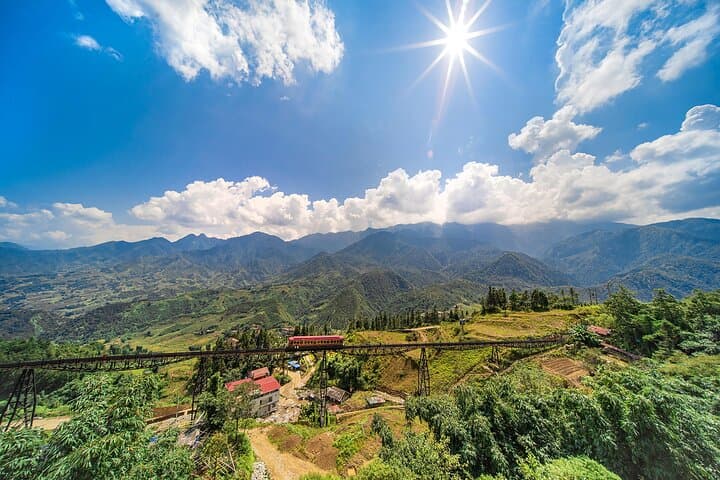
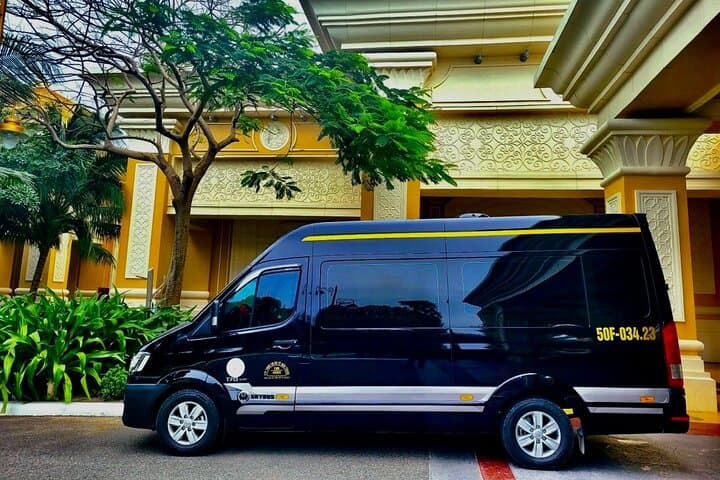
Morning mist lifts off the rice terraces like a slow curtain as the DCAR limousine pulls into Sa Pa. The town perches at roughly 1,500–1,650 m, its streets ringed by steep green ribs of terraces and limestone ridges. You step down from the van into cool air that feels more alpine than tropical; the mountains seem to watch you back.
Verified experiences and guided adventures in the surrounding area.
Operated by SST TRAVEL · Sa Pa, Lao Cai
Morning mist lifts off the rice terraces like a slow curtain as the DCAR limousine pulls into Sa Pa. The town perches at roughly 1,500–1,650 m, its streets ringed by steep green ribs of terraces and limestone ridges. You step down from the van into cool air that feels more alpine than tropical; the mountains seem to watch you back.
This is a landscape shaped by glacial valleys and generations of hand-cut terraces. Sa Pa’s town grew under French colonial eye in the late 19th century and today functions as a crossroads for H'Mong, Red Dao, Tay, Giay and Xa Pho communities—each group marked by distinct dress, embroidery and seasonal farming rhythms. Cat Cat Village and Ham Rong Mountain put culture and geology on immediate display: waterfalls that etch slate and shale, and trails that climb through subalpine rhododendron and ethnic hamlets.
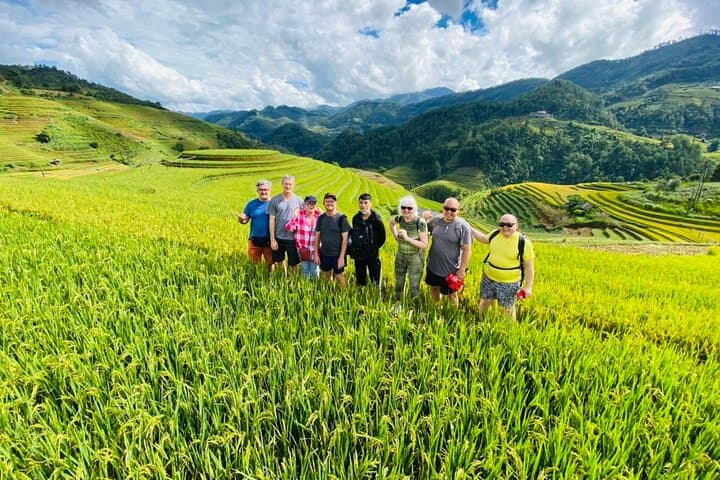
Over three days expect steady hill walking rather than technical mountaineering—short steep sections, stone steps, and muddy stretches after rain. Highlights: a guided walk through Cat Cat’s rice terraces and waterfall, a chance to meet local families and learn about indigo dye and winter hemp weaving, plus a hike up Ham Rong for panoramic valley views. Fansipan (3,143 m) is available separately for those who want a high-point climb or cable car.
Practical guidance: pack layers and a rain shell, bring Vietnamese dong and small bills, plan for variable weather and slippery steps, and move at the locals’ pace when visiting villages. Respect photography requests and carry out all waste; the terraces are resilient but visitor pressure is real.
moderate.
72 hours (3 days).
Moderate fitness—able to handle multiple 3–6 hour walking days on uneven terrain and stair-like trails.
The DCAR limousine included in this tour typically takes around 5–6 hours each way depending on traffic and road conditions.
Yes—walks are non-technical but include steep and uneven sections; a moderate fitness level is recommended and guide support is provided.
Visitors to Vietnam need a valid passport and any required visa per nationality; ensure passport details are provided at booking if required.
Fansipan access is optional and usually requires additional fees; the tour offers free time or optional excursions such as the Fansipan cable car or summit trek.
Sa Pa developed as a French hill station in the late 1800s and has long been a cultural crossroads for multiple ethnic highland groups.
Terraced agriculture and fragile soils are sensitive to erosion; stick to marked trails, avoid single-use plastics and support local eco-conscious guides.
SST TRAVEL operates guided outdoor trips and adventures with an emphasis on safety, stewardship, and memorable experiences.

Morning mist lifts off the rice terraces like a slow curtain as the DCAR limousine pulls into Sa Pa. The town perches at roughly 1,500–1,650 m, its streets ringed by steep green ribs of terraces and limestone ridges. You step down from the van into cool air that feels more alpine than tropical; the mountains seem to watch you back.
Morning mist lifts off the rice terraces like a slow curtain as the DCAR limousine pulls into Sa Pa. The town perches at roughly 1,500–1,650 m, its streets ringed by steep green ribs of terraces and limestone ridges. You step down from the van into cool air that feels more alpine than tropical; the mountains seem to watch you back.
This is a landscape shaped by glacial valleys and generations of hand-cut terraces. Sa Pa’s town grew under French colonial eye in the late 19th century and today functions as a crossroads for H'Mong, Red Dao, Tay, Giay and Xa Pho communities—each group marked by distinct dress, embroidery and seasonal farming rhythms. Cat Cat Village and Ham Rong Mountain put culture and geology on immediate display: waterfalls that etch slate and shale, and trails that climb through subalpine rhododendron and ethnic hamlets.
Over three days expect steady hill walking rather than technical mountaineering—short steep sections, stone steps, and muddy stretches after rain. Highlights: a guided walk through Cat Cat’s rice terraces and waterfall, a chance to meet local families and learn about indigo dye and winter hemp weaving, plus a hike up Ham Rong for panoramic valley views. Fansipan (3,143 m) is available separately for those who want a high-point climb or cable car.
Practical guidance: pack layers and a rain shell, bring Vietnamese dong and small bills, plan for variable weather and slippery steps, and move at the locals’ pace when visiting villages. Respect photography requests and carry out all waste; the terraces are resilient but visitor pressure is real.