THE ADVENTURE COLLECTIVE® · Independent discovery and booking for outdoor travel

Three days of village trails, towering rice terraces and two nights in family-run homestays around Sapa. This guided trek covers Ta Van, Giang Ta Chai and Ban Ho with meals, entrance fees and transport back to town included.
Three days of village trails, towering rice terraces and two nights in family-run homestays around Sapa. This guided trek covers Ta Van, Giang Ta Chai and Ban Ho with meals, entrance fees and transport back to town included.
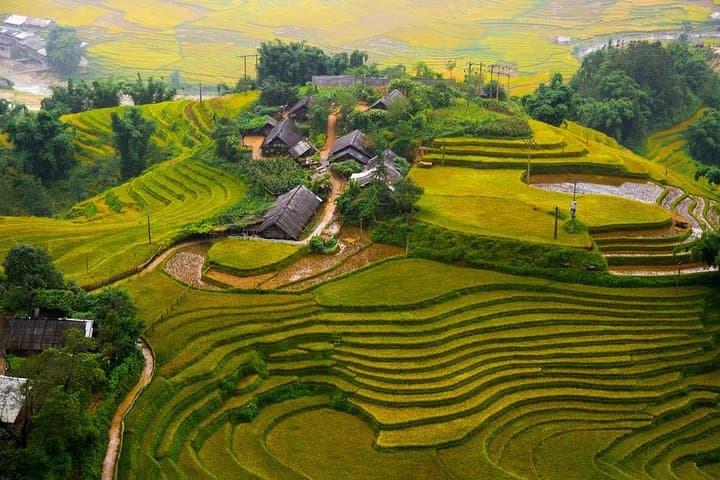
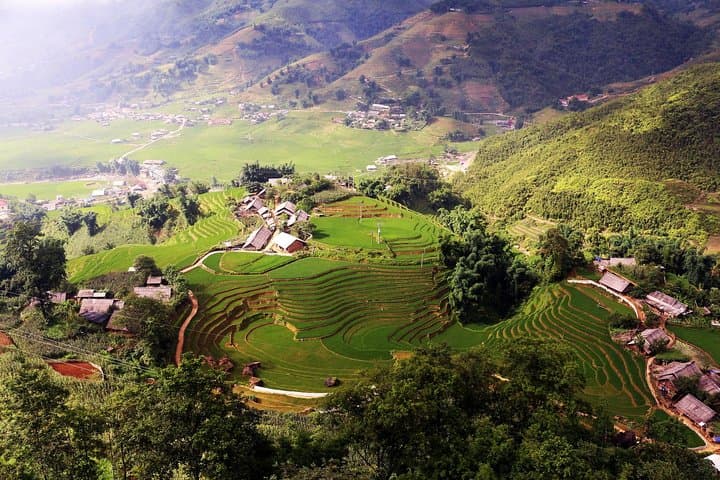
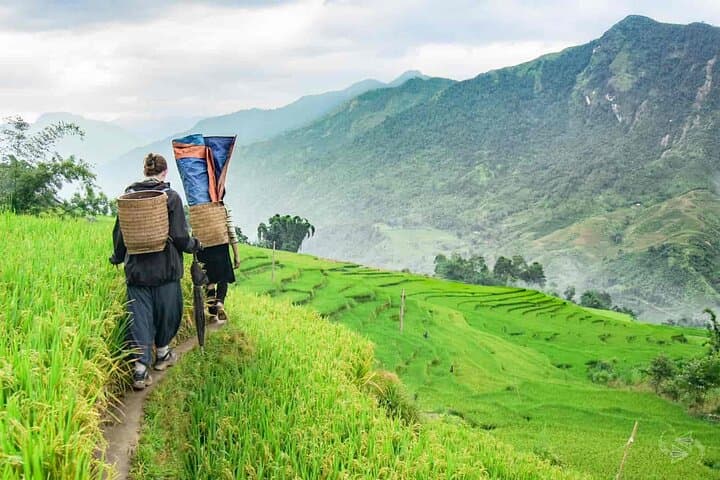
Morning mist lifts off steep rice terraces as the group steps out of Sapa town and onto narrow village trails. Footsteps press into packed soil beside stone irrigation channels; children wave from stilt houses while water buffalo watch from the paddies. Over three days the trek moves through Y Linh Ho, Lao Chai, Ta Van, Giang Ta Chai and Ban Ho—each village a patchwork of terraces, local Hmong and Red Dao homes, and bamboo bridges over quicksilver streams.
Verified experiences and guided adventures in the surrounding area.
Operated by Asia Travel Legend · Sapa, Lao Cai
Morning mist lifts off steep rice terraces as the group steps out of Sapa town and onto narrow village trails. Footsteps press into packed soil beside stone irrigation channels; children wave from stilt houses while water buffalo watch from the paddies. Over three days the trek moves through Y Linh Ho, Lao Chai, Ta Van, Giang Ta Chai and Ban Ho—each village a patchwork of terraces, local Hmong and Red Dao homes, and bamboo bridges over quicksilver streams.
Geologically the Hoang Lien range is young and rugged, carved by monsoon-fed rivers that dare the hills into sharp ridgelines and deep valleys. The area’s cultural history is visible everywhere: hand-embroidered garments, terraced fields sculpted over generations, and homestays that continue a tradition of hospitality. Guides are often from the communities you visit, so stories about clan lines, shifting cultivation, and medicinal herbs come as naturally as tea.
Practically, expect 4–6 hours of hiking each full day on uneven trails, stone steps and occasional muddy stretches. Homestays provide shared loft-style sleeping, hot showers at many locations, mosquito nets and home-cooked meals—bring any personal toiletries you prefer. Hydrate regularly; afternoons can clear to wide views of Fansipan while mornings hold cool fog. Wear broken-in hiking shoes with good traction, pack a lightweight rain jacket for sudden showers, and carry small bills for local snacks or tips.
This trek balances immersive culture with achievable daily distances, making it a solid choice for travelers who want hands-on mountain travel without technical climbing.
moderate.
3 days (approx. 9 AM–3 PM each day).
Suitable for travelers in light to moderate fitness able to hike 4–6 hours per day with occasional steep sections.
The itinerary is rated moderate with daily walking of 4–6 hours; paths are non-technical but can be steep—beginners with reasonable fitness generally manage well.
Homestays are family-run, offering shared lofts, mosquito nets, hot showers at many locations and home-cooked meals; private rooms are uncommon.
Sapa sits around 1,500 meters—altitude effects are uncommon, but take it easy the first day if you’re sensitive and stay hydrated.
Local hosts are usually flexible—inform the operator at booking and again to your guide; bring snacks if you have strict needs.
The Hoang Lien region has long been home to Hmong, Red Dao and Tay communities who shaped the steep terraces and maintain traditional weaving and farming practices.
Increased trekking brings waste and trail erosion—use existing paths, minimize single-use plastics, and ask guides about proper waste disposal to protect village ecosystems.
Asia Travel Legend operates guided outdoor trips and adventures with an emphasis on safety, stewardship, and memorable experiences.

Morning mist lifts off steep rice terraces as the group steps out of Sapa town and onto narrow village trails. Footsteps press into packed soil beside stone irrigation channels; children wave from stilt houses while water buffalo watch from the paddies. Over three days the trek moves through Y Linh Ho, Lao Chai, Ta Van, Giang Ta Chai and Ban Ho—each village a patchwork of terraces, local Hmong and Red Dao homes, and bamboo bridges over quicksilver streams.
Morning mist lifts off steep rice terraces as the group steps out of Sapa town and onto narrow village trails. Footsteps press into packed soil beside stone irrigation channels; children wave from stilt houses while water buffalo watch from the paddies. Over three days the trek moves through Y Linh Ho, Lao Chai, Ta Van, Giang Ta Chai and Ban Ho—each village a patchwork of terraces, local Hmong and Red Dao homes, and bamboo bridges over quicksilver streams.
Geologically the Hoang Lien range is young and rugged, carved by monsoon-fed rivers that dare the hills into sharp ridgelines and deep valleys. The area’s cultural history is visible everywhere: hand-embroidered garments, terraced fields sculpted over generations, and homestays that continue a tradition of hospitality. Guides are often from the communities you visit, so stories about clan lines, shifting cultivation, and medicinal herbs come as naturally as tea.
Practically, expect 4–6 hours of hiking each full day on uneven trails, stone steps and occasional muddy stretches. Homestays provide shared loft-style sleeping, hot showers at many locations, mosquito nets and home-cooked meals—bring any personal toiletries you prefer. Hydrate regularly; afternoons can clear to wide views of Fansipan while mornings hold cool fog. Wear broken-in hiking shoes with good traction, pack a lightweight rain jacket for sudden showers, and carry small bills for local snacks or tips.
This trek balances immersive culture with achievable daily distances, making it a solid choice for travelers who want hands-on mountain travel without technical climbing.