
Sapa 3-Day Trek: Homestays, Rice Terraces & H'mong Culture
Follow Muong Hoa’s terraces, sleep in village homestays and walk lesser-traveled trails with local H’Mong and Dzao guides. This three-day trek balances culture, rice-field scenery and practical, moderate hiking over varied terrain.
An Adventure In Sapa.
Follow Muong Hoa’s terraces, sleep in village homestays and walk lesser-traveled trails with local H’Mong and Dzao guides. This three-day trek balances culture, rice-field scenery and practical, moderate hiking over varied terrain.
Read the full experience
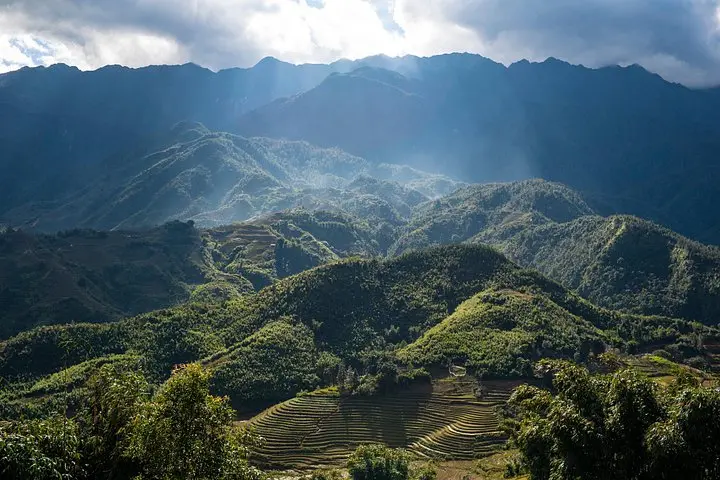
A damp morning lifts off the valley as you step from Sapa’s stone streets onto a path threaded with water and green. The Muong Hoa stream runs low and clear, daring you to follow the terraces that step down like carved stairways. Local guides—H’mong and Dzao—move easily through switchbacks, their knowledge steering the group away from the busiest routes and into villages where smoke from cooking fires marks the day’s rhythm.
A damp morning lifts off the valley as you step from Sapa’s stone streets onto a path threaded with water and green. The Muong Hoa stream runs low and clear, daring you to follow the terraces that step down like carved stairways. Local guides—H’mong and Dzao—move easily through switchbacks, their knowledge steering the group away from the busiest routes and into villages where smoke from cooking fires marks the day’s rhythm.
Geology here is blunt: the Hoang Lien Son range, with Fansipan at 3,143 m, carved the valleys and created microclimates that feed rice terraces. Culturally, the trek travels H’Mong, Dzay (Zay), Tay and Red Dzao communities—each with distinct embroidery, houses on stilts, and agricultural cycles that shape life. Homestays are part of the route; expect simple rooms, hot showers in many homes, and evenings spent around low fires with rice wine and stories.
Practically, the itinerary averages a moderate 10–14 km per day (day one ~12 km, ~3.5 hours of walking), on uneven, often muddy trails with short climbs between terraces. Feet-first preparation pays off: break in boots, carry layered clothing for fast weather shifts, and bring cash for small purchases and tipping. Hydrate steadily—streams are scenic but treat water unless host-provided. Early starts catch clear light on the terraces; afternoons often cloud in the mountains.
This trek blends scenery, culture, and community-minded tourism: tread lightly, support homestays, and leave paths cleaner than you found them.
Frequently asked questions
Moderate fitness is required—expect 3–6 hours of walking on uneven, sometimes steep trails; regular walkers and people with good balance will be comfortable.
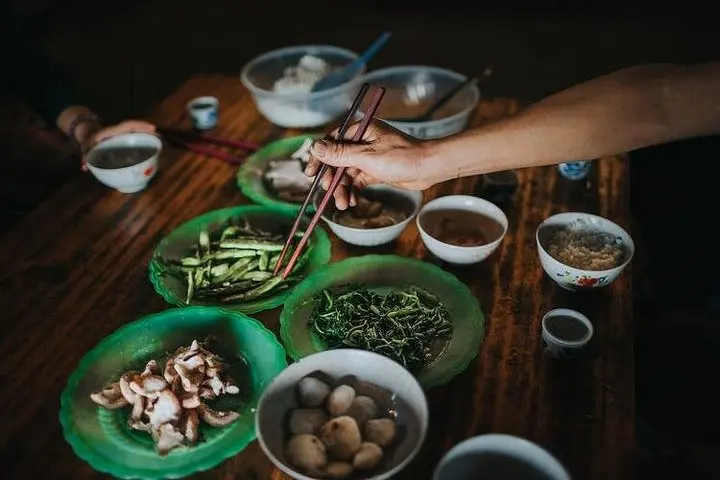
Homestays are simple family homes on stilts with shared bathrooms in many cases; several provide hot showers and basic Wi‑Fi, and meals are home-cooked local fare.
Sapa sits around 1,500–1,600 m—most travelers acclimatize quickly; take it easy the first day if you’re sensitive to altitude and stay hydrated.
Lunches and some meals are included, but bring snacks and at least 1–2 liters of water per day; treat or filter stream water unless host-provided drinking water is available.
About This Experience
Sapa Tribal Trekking operates guided outdoor trips and adventures with an emphasis on safety, stewardship, and memorable experiences.
Adventure tips
Recommended gear
- Sturdy hiking boots: Support and traction on rocky, muddy terraces are essential for comfort and safety.
- Daypack (20–30L): Carry water, layers, snacks and rain gear without overloading your shoulders for multi-hour walks.
- Waterproof shell: Light but reliable rain protection keeps you moving through sudden mountain showers.
- Warm mid-layer and hat: Nights and early mornings at elevation can be cold; an insulating layer makes homestays and sunrise watches comfortable.
Photos of the experience

Related adventures & guides
Read the full experience
A damp morning lifts off the valley as you step from Sapa’s stone streets onto a path threaded with water and green. The Muong Hoa stream runs low and clear, daring you to follow the terraces that step down like carved stairways. Local guides—H’mong and Dzao—move easily through switchbacks, their knowledge steering the group away from the busiest routes and into villages where smoke from cooking fires marks the day’s rhythm.
A damp morning lifts off the valley as you step from Sapa’s stone streets onto a path threaded with water and green. The Muong Hoa stream runs low and clear, daring you to follow the terraces that step down like carved stairways. Local guides—H’mong and Dzao—move easily through switchbacks, their knowledge steering the group away from the busiest routes and into villages where smoke from cooking fires marks the day’s rhythm.
Geology here is blunt: the Hoang Lien Son range, with Fansipan at 3,143 m, carved the valleys and created microclimates that feed rice terraces. Culturally, the trek travels H’Mong, Dzay (Zay), Tay and Red Dzao communities—each with distinct embroidery, houses on stilts, and agricultural cycles that shape life. Homestays are part of the route; expect simple rooms, hot showers in many homes, and evenings spent around low fires with rice wine and stories.
Practically, the itinerary averages a moderate 10–14 km per day (day one ~12 km, ~3.5 hours of walking), on uneven, often muddy trails with short climbs between terraces. Feet-first preparation pays off: break in boots, carry layered clothing for fast weather shifts, and bring cash for small purchases and tipping. Hydrate steadily—streams are scenic but treat water unless host-provided. Early starts catch clear light on the terraces; afternoons often cloud in the mountains.
This trek blends scenery, culture, and community-minded tourism: tread lightly, support homestays, and leave paths cleaner than you found them.
Make a day of it nearby.
Verified experiences and guided adventures in the surrounding area.