THE ADVENTURE COLLECTIVE® · Independent discovery and booking for outdoor travel

Board the night train from Hanoi and wake in the cool air of the Hoang Lien mountains. Over two trekking days you’ll descend through rice terraces, cross bamboo forests to waterfalls and sleep in a Ta Van homestay—an accessible, culturally rich introduction to Sapa’s highland trails.
Board the night train from Hanoi and wake in the cool air of the Hoang Lien mountains. Over two trekking days you’ll descend through rice terraces, cross bamboo forests to waterfalls and sleep in a Ta Van homestay—an accessible, culturally rich introduction to Sapa’s highland trails.
The night train rocks and hushes as Hanoi fades; by dawn you step off into crisp mountain air and the first ribboned terraces that define the Muong Hoa valley.
Verified experiences and guided adventures in the surrounding area.
Operated by Local Tours SAPA · Sapa, Lao Cai
The night train rocks and hushes as Hanoi fades; by dawn you step off into crisp mountain air and the first ribboned terraces that define the Muong Hoa valley.
This three-night, two-day trek threads old footpaths between Y Linh Ho, Lao Chai, Ta Van, Giang Ta Chai and Su Pan—villages of Black H’mong, Dzay and Red Dao people—where rice sits in stepped bands and bamboo gullies channel waterfalls. The range here is young, tectonically active limestone and schist uplifted from the Red River fault system; trails switch from packed village lanes to muddy ruts and bamboo-shaded slopes.
Culturally the trek is intimate: homestays in Ta Van let you meet household routines and woven textile trades that remain central to local life. Historically, these terraces evolved over centuries as communities carved arable land into steep hillsides.
Practicalities are straightforward: expect 6–12 km of walking per day on uneven terrain with short, steep sections and muddy stretches when it rains. The tour uses shared transport between Lao Cai and Sapa and includes night-train tickets, meals listed in the itinerary, and one homestay night.
Bring stable hiking shoes, layered clothing for wet mornings and sunlit afternoons, and enough cash for small village purchases. Start early to catch valley light and avoid midday clouds; carry snacks and water since services are limited on the trail. Move deliberately on slippery descents and respect local customs in villages—ask before photographing people. This trek is both scenic and social: the landscape invites steady steps and curious conversation.
moderate.
2–3 days.
Moderate fitness: able to walk 6–12 km per day on uneven, sometimes muddy trails and manage short steep sections.
The night train takes about 8 hours; trains usually depart late evening and arrive at Lao Cai around 05:30–06:30.
The itinerary includes one night at a local family bungalow with basic shared facilities; rooms are simple and communal.
No technical experience is needed, but you should be comfortable walking several hours on uneven ground and carrying a daypack.
Guides and hosts generally accommodate common dietary needs if informed in advance; note severe allergies and vegetarian requests when booking.
The Hoang Lien region has long been home to H’mong, Dao and Dzay communities who sculpted terraces into steep hillsides for rice cultivation.
Soil erosion and trail widening are challenges; stick to paths, avoid single-use plastics and support homestays that practice local sourcing.
Local Tours SAPA operates guided outdoor trips and adventures with an emphasis on safety, stewardship, and memorable experiences.

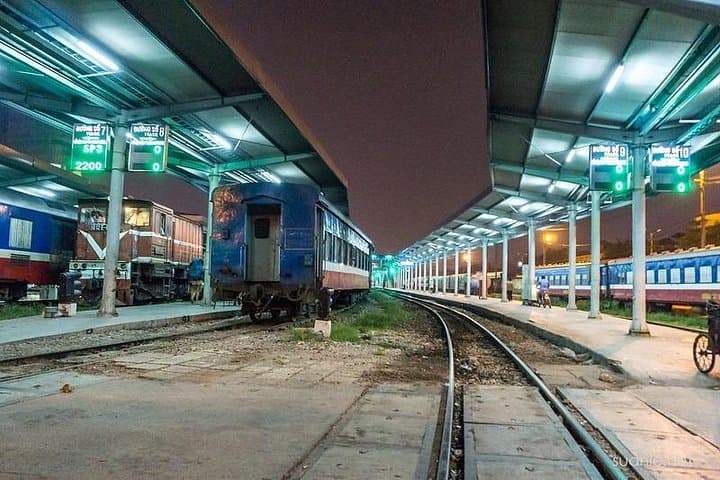


The night train rocks and hushes as Hanoi fades; by dawn you step off into crisp mountain air and the first ribboned terraces that define the Muong Hoa valley.
The night train rocks and hushes as Hanoi fades; by dawn you step off into crisp mountain air and the first ribboned terraces that define the Muong Hoa valley.
This three-night, two-day trek threads old footpaths between Y Linh Ho, Lao Chai, Ta Van, Giang Ta Chai and Su Pan—villages of Black H’mong, Dzay and Red Dao people—where rice sits in stepped bands and bamboo gullies channel waterfalls. The range here is young, tectonically active limestone and schist uplifted from the Red River fault system; trails switch from packed village lanes to muddy ruts and bamboo-shaded slopes.
Culturally the trek is intimate: homestays in Ta Van let you meet household routines and woven textile trades that remain central to local life. Historically, these terraces evolved over centuries as communities carved arable land into steep hillsides.
Practicalities are straightforward: expect 6–12 km of walking per day on uneven terrain with short, steep sections and muddy stretches when it rains. The tour uses shared transport between Lao Cai and Sapa and includes night-train tickets, meals listed in the itinerary, and one homestay night.
Bring stable hiking shoes, layered clothing for wet mornings and sunlit afternoons, and enough cash for small village purchases. Start early to catch valley light and avoid midday clouds; carry snacks and water since services are limited on the trail. Move deliberately on slippery descents and respect local customs in villages—ask before photographing people. This trek is both scenic and social: the landscape invites steady steps and curious conversation.