THE ADVENTURE COLLECTIVE® · Independent discovery and booking for outdoor travel

Three days of valley walking, village homestay and mountain scenery: this Sapa trek from Hanoi pairs accessible hikes through Muong Hoa with an overnight in a Giay homestay and a cable-car view from Fansipan. Read on for practical tips and route realities.
Three days of valley walking, village homestay and mountain scenery: this Sapa trek from Hanoi pairs accessible hikes through Muong Hoa with an overnight in a Giay homestay and a cable-car view from Fansipan. Read on for practical tips and route realities.
Dawn breaks over the Hoang Lien Range as the limousine bus winds out of Hanoi and into higher air. By mid-afternoon you can feel the temperature drop and the valley open: stepped rice fields roll like quiet stairs, and streams thread through villages where children wave from low wooden houses. The walk down from Cat Cat to the valley places you inside living, working landscapes rather than behind glass.
Verified experiences and guided adventures in the surrounding area.
Operated by Hanoi Explore Travel · Sapa, Lao Cai Province
Dawn breaks over the Hoang Lien Range as the limousine bus winds out of Hanoi and into higher air. By mid-afternoon you can feel the temperature drop and the valley open: stepped rice fields roll like quiet stairs, and streams thread through villages where children wave from low wooden houses. The walk down from Cat Cat to the valley places you inside living, working landscapes rather than behind glass.
This route follows paths shaped by centuries of wet-rice cultivation and a recent colonial footprint — a small French-built hydroelectric relic at Cat Cat reminds you of 20th-century interventions in a much older landscape. The geology here is karst and metamorphic outcrops smoothed by monsoon rains; terraces cling to slopes, directing water with exacting care. Culturally, the Black Hmong, Dzay and Red Dzao communities you visit keep distinct textile, house, and agricultural traditions that are visible in everyday life.
Expect steady downhill and valley walking (6–12 km days on mixed dirt paths, stone steps and occasional wet or muddy sections), with village stops for meals and a homestay night to learn local rhythm. Guides arrange transport between trailheads and manage permits.
Practical notes: pack a waterproof layer and sturdy boots, bring cash for small purchases, and plan for sudden weather shifts—mountain weather can change in hours. Hydrate before long sections, respect local privacy when photographing, and allow time for slow descents: the trail moves at village pace, not a race.
By the final morning a cable car ascent to Fansipan (optional on some itineraries) offers a last panoramic perspective — the range stretching like a closing hand over your trek.
moderate.
3 days.
Suitable for travelers with regular aerobic activity; you should be comfortable walking 6–12 km on uneven, sometimes steep terrain over consecutive days.
The tour includes a scheduled morning pickup in Hanoi Old Quarter; confirm exact pickup point with the operator when booking.
The itinerary is rated moderate (4–6/10): steady walking on mixed terrain with some downhill sections; regular walkers will be comfortable.
Homestays are with local Giay or Hmong families and offer simple rooms and shared facilities; meals are home-cooked local dishes and you’ll be expected to follow household norms.
Yes—many operators include or offer the Fansipan cable car as part of the itinerary or as an optional add-on; confirm whether it’s included when booking.
The Muong Hoa valley shows layers of history from indigenous terrace farming to small French colonial projects like the Cat Cat hydroelectric remnants.
Trail erosion and unmanaged tourism stress terraces and village life; support homestays and carry out waste to reduce impact.
Hanoi Explore Travel operates guided outdoor trips and adventures with an emphasis on safety, stewardship, and memorable experiences.
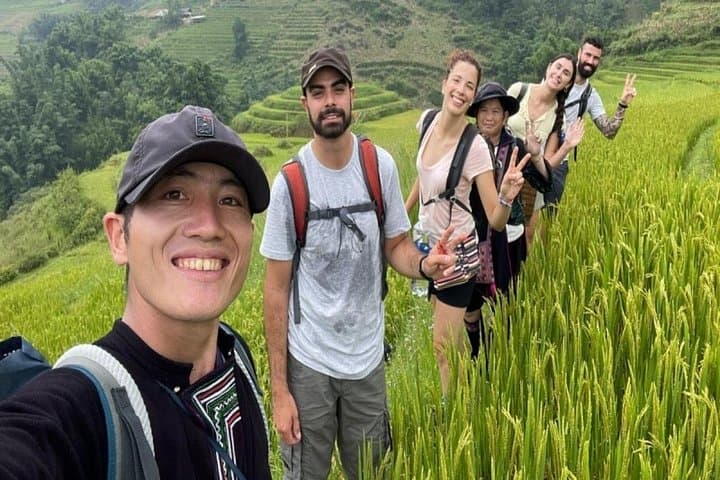
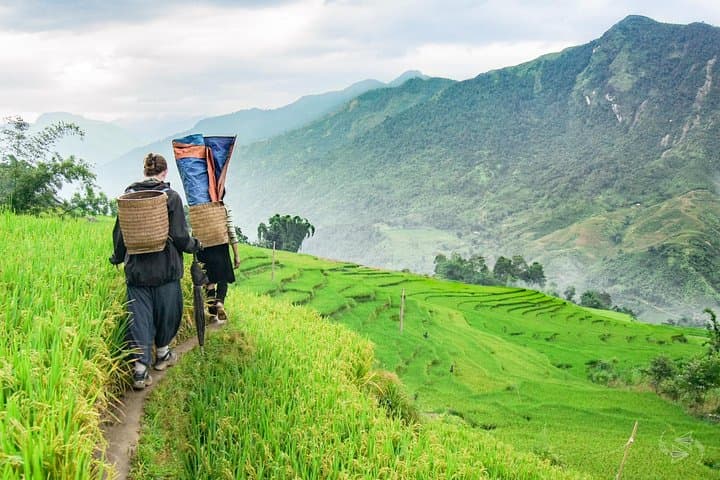
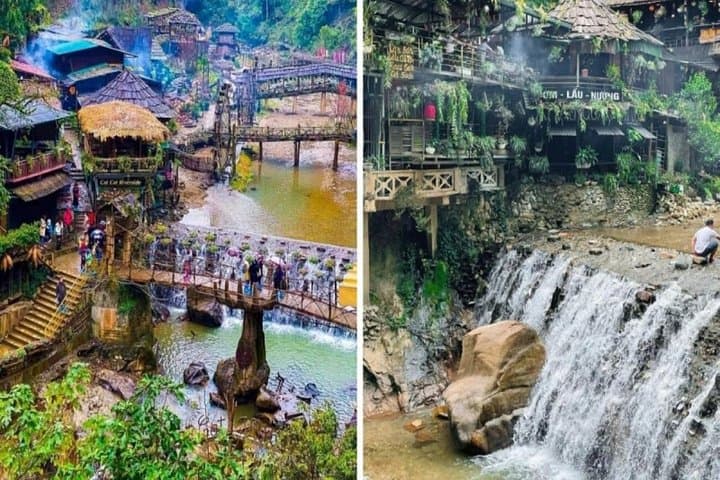
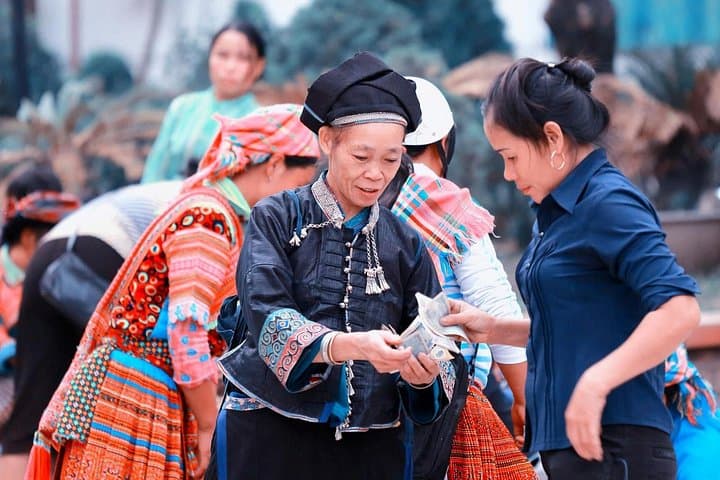
Dawn breaks over the Hoang Lien Range as the limousine bus winds out of Hanoi and into higher air. By mid-afternoon you can feel the temperature drop and the valley open: stepped rice fields roll like quiet stairs, and streams thread through villages where children wave from low wooden houses. The walk down from Cat Cat to the valley places you inside living, working landscapes rather than behind glass.
Dawn breaks over the Hoang Lien Range as the limousine bus winds out of Hanoi and into higher air. By mid-afternoon you can feel the temperature drop and the valley open: stepped rice fields roll like quiet stairs, and streams thread through villages where children wave from low wooden houses. The walk down from Cat Cat to the valley places you inside living, working landscapes rather than behind glass.
This route follows paths shaped by centuries of wet-rice cultivation and a recent colonial footprint — a small French-built hydroelectric relic at Cat Cat reminds you of 20th-century interventions in a much older landscape. The geology here is karst and metamorphic outcrops smoothed by monsoon rains; terraces cling to slopes, directing water with exacting care. Culturally, the Black Hmong, Dzay and Red Dzao communities you visit keep distinct textile, house, and agricultural traditions that are visible in everyday life.
Expect steady downhill and valley walking (6–12 km days on mixed dirt paths, stone steps and occasional wet or muddy sections), with village stops for meals and a homestay night to learn local rhythm. Guides arrange transport between trailheads and manage permits.
Practical notes: pack a waterproof layer and sturdy boots, bring cash for small purchases, and plan for sudden weather shifts—mountain weather can change in hours. Hydrate before long sections, respect local privacy when photographing, and allow time for slow descents: the trail moves at village pace, not a race.
By the final morning a cable car ascent to Fansipan (optional on some itineraries) offers a last panoramic perspective — the range stretching like a closing hand over your trek.