THE ADVENTURE COLLECTIVE® · Independent discovery and booking for outdoor travel

Two days of stepped terraces, bamboo corridors and village homestays in Sapa. Hike through Y Linh Ho, Lao Chai and Ta Van for hands‑on cultural exchange and panoramic valley views.
Two days of stepped terraces, bamboo corridors and village homestays in Sapa. Hike through Y Linh Ho, Lao Chai and Ta Van for hands‑on cultural exchange and panoramic valley views.
Morning mist lifts off Muong Hoa Valley like a slow-breathing animal as you set off from Sapa town. The first day drops you onto narrow paths that contour impossibly steep rice terraces; water glints and trickles, and the terraces seem to move underfoot as you cross stone steps and muddy stretches. Local trails lead through Y Linh Ho and Lao Chai, where Black Hmong women in indigo weave and laugh; by evening a Giay family will host you in Ta Van, swapping stories over a simple home-cooked meal.
Verified experiences and guided adventures in the surrounding area.
Operated by SAIGONESE TREKKING HOUSE · Sapa, Lao Cai Province
Morning mist lifts off Muong Hoa Valley like a slow-breathing animal as you set off from Sapa town. The first day drops you onto narrow paths that contour impossibly steep rice terraces; water glints and trickles, and the terraces seem to move underfoot as you cross stone steps and muddy stretches. Local trails lead through Y Linh Ho and Lao Chai, where Black Hmong women in indigo weave and laugh; by evening a Giay family will host you in Ta Van, swapping stories over a simple home-cooked meal.
This landscape is carved from tectonic uplift and centuries of hand-built terrace agriculture — the slopes are steep because the Hoang Lien range was thrust up by the same forces that created Fansipan, Vietnam’s highest peak. The valley is a cultural mosaic: Black Hmong, Red Dao and Dzay communities maintain distinctive dress, crafts and rice-farming cycles, and homestays offer a living window into those rhythms.
Expect uneven terrain, bamboo-lined corridors, and short stretches of stair-like stone. The bamboo forest on day two cools the trail and points you toward Giang Ta Chai and its waterfall; streams will sometimes dare you to cross on slippery rocks. Practically: bring waterproof layers and grippy boots, plan for 10–12 hours of walking spread over two days, and carry cash for small village purchases. Respect homestay customs (ask before photos, remove shoes indoors) and leave no trace — trails and terraces are fragile. This route balances cultural immersion with classic Northern Vietnam mountain hiking, ideal for travelers with a steady step and curiosity for village life.
moderate.
2 days (approx. 10–12 hours trekking).
Should be comfortable walking full days on uneven, steep terrain and carrying a daypack; basic stamina required
Moderate fitness is required: expect sustained walking on uneven ground, stone steps and short climbs totaling roughly 10–12 hours over two days.
One night is in a private bungalow in Ta Van with shared family meals; the itinerary lists breakfasts, lunches and a dinner as included on the trek.
Village homestays and trail stops offer basic facilities; carry a water filter or purification tablets and refill at homestays when possible.
The tour returns to Sapa town on day two as part of the itinerary; confirm pickup/dropoff points when booking.
The Muong Hoa valley has been farmed for centuries by upland ethnic groups; terraces and irrigation techniques reflect long-standing subsistence systems adapted to steep slopes.
Trail erosion and increasing visitor numbers put pressure on terraces and village life — follow established paths, avoid single-use plastics, and support local homestays to encourage sustainable tourism.
SAIGONESE TREKKING HOUSE operates guided outdoor trips and adventures with an emphasis on safety, stewardship, and memorable experiences.
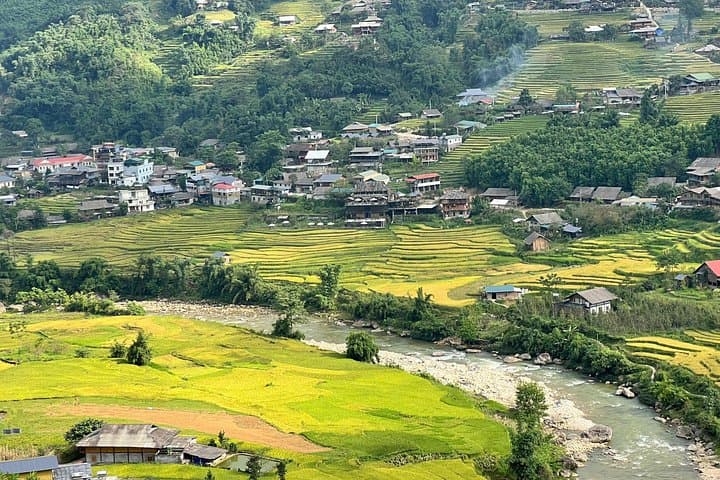
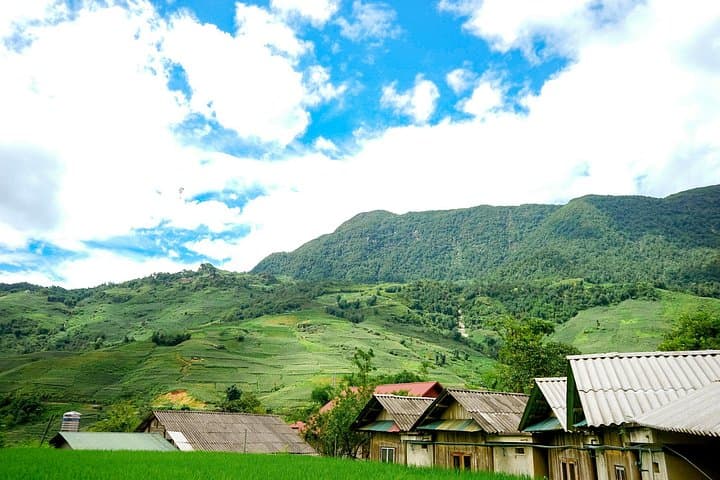
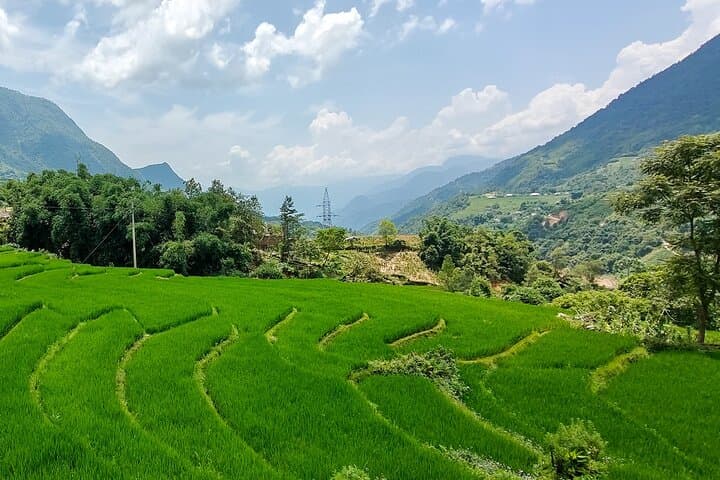
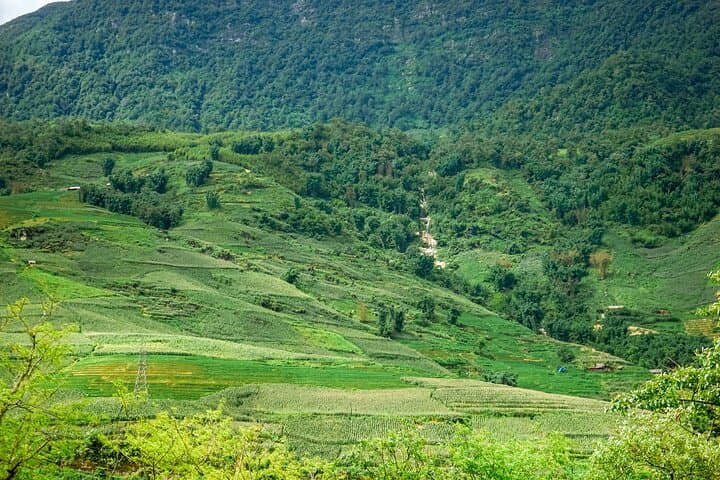
Morning mist lifts off Muong Hoa Valley like a slow-breathing animal as you set off from Sapa town. The first day drops you onto narrow paths that contour impossibly steep rice terraces; water glints and trickles, and the terraces seem to move underfoot as you cross stone steps and muddy stretches. Local trails lead through Y Linh Ho and Lao Chai, where Black Hmong women in indigo weave and laugh; by evening a Giay family will host you in Ta Van, swapping stories over a simple home-cooked meal.
Morning mist lifts off Muong Hoa Valley like a slow-breathing animal as you set off from Sapa town. The first day drops you onto narrow paths that contour impossibly steep rice terraces; water glints and trickles, and the terraces seem to move underfoot as you cross stone steps and muddy stretches. Local trails lead through Y Linh Ho and Lao Chai, where Black Hmong women in indigo weave and laugh; by evening a Giay family will host you in Ta Van, swapping stories over a simple home-cooked meal.
This landscape is carved from tectonic uplift and centuries of hand-built terrace agriculture — the slopes are steep because the Hoang Lien range was thrust up by the same forces that created Fansipan, Vietnam’s highest peak. The valley is a cultural mosaic: Black Hmong, Red Dao and Dzay communities maintain distinctive dress, crafts and rice-farming cycles, and homestays offer a living window into those rhythms.
Expect uneven terrain, bamboo-lined corridors, and short stretches of stair-like stone. The bamboo forest on day two cools the trail and points you toward Giang Ta Chai and its waterfall; streams will sometimes dare you to cross on slippery rocks. Practically: bring waterproof layers and grippy boots, plan for 10–12 hours of walking spread over two days, and carry cash for small village purchases. Respect homestay customs (ask before photos, remove shoes indoors) and leave no trace — trails and terraces are fragile. This route balances cultural immersion with classic Northern Vietnam mountain hiking, ideal for travelers with a steady step and curiosity for village life.