THE ADVENTURE COLLECTIVE® · Independent discovery and booking for outdoor travel

Walk from Sapa town into Muong Hoa Valley over two days, visiting Cat Cat, Y Linh Ho, Lao Chai and Ta Van with an overnight at a 5-star hotel. This guided trek balances village culture, mountain scenery and comfortable lodging.
Walk from Sapa town into Muong Hoa Valley over two days, visiting Cat Cat, Y Linh Ho, Lao Chai and Ta Van with an overnight at a 5-star hotel. This guided trek balances village culture, mountain scenery and comfortable lodging.
A cool mountain wind meets the van as it climbs out of Hanoi and the lowlands slip away. By afternoon the group is in Sapa town, high on the Hoang Lien Son range where rice terraces fan across the valley and waterfalls call travelers down narrow paths. The first day drops from Sapa to Cat Cat village, following stone steps and dirt trails beside a rushing stream; the second threads the Muong Hoa Valley through Y Linh Ho, Lao Chai and Ta Van before the return to town.
Verified experiences and guided adventures in the surrounding area.
Operated by Authentic SAPA · Sapa, Lao Cai Province
A cool mountain wind meets the van as it climbs out of Hanoi and the lowlands slip away. By afternoon the group is in Sapa town, high on the Hoang Lien Son range where rice terraces fan across the valley and waterfalls call travelers down narrow paths. The first day drops from Sapa to Cat Cat village, following stone steps and dirt trails beside a rushing stream; the second threads the Muong Hoa Valley through Y Linh Ho, Lao Chai and Ta Van before the return to town.
Sapa was shaped by geology and history: carved terraces sit on volcanic and metamorphic slopes of the Hoang Lien Son massif, while French colonial hill-station works left footbridges and the remains of a small hydroelectric station in Cat Cat. The villages are homes to Black Hmong and Dzay communities whose woven textiles and stilt-house architecture reflect centuries of upland rice farming.
On the trail expect 4–8 km of walking per day, a mix of steady descents, short climbs and stone steps, with elevation around 1,500–1,650 m in Sapa and variable local gains up to a few hundred meters. Trails can be muddy after rain and views open where terraces give way to ridgelines; streams and waterfalls often set the pace, daring you to pause.
Practical tips: book transfers from Hanoi to save time, carry water and small cash for village purchases, and bring layered clothing for fast-changing mountain weather. Footwear with grip and a light rain shell will make the two-day trek comfortable; the hotel overnight provides a solid recovery before the long limousine return to Hanoi.
moderate.
2 days (approx. 48 hours).
Moderate fitness; able to hike 4–8 km per day on uneven terrain and negotiate stone steps and short climbs
Roundtrip limousine transfer from Hanoi is offered with the option to join from Sapa; confirm pickup point in Hanoi Old Quarter when booking.
The itinerary includes one night in a 5-star hotel in Sapa town with standard hotel amenities and breakfast.
Hikes are moderate—mostly 4–8 km per day with mixed sections of descent and short climbs; good balance and reasonable fitness are recommended.
Yes; small restaurants and craft stalls operate in Cat Cat, Lao Chai and Ta Van—bring cash and small change.
Sapa developed as a French colonial hill station; Cat Cat contains vestiges of a small French-built hydroelectric project and older village pathways.
High foot traffic and tourism affect terraces and trails—stay on marked paths, avoid littering, and consider buying local handicrafts to support village incomes.
Authentic SAPA operates guided outdoor trips and adventures with an emphasis on safety, stewardship, and memorable experiences.

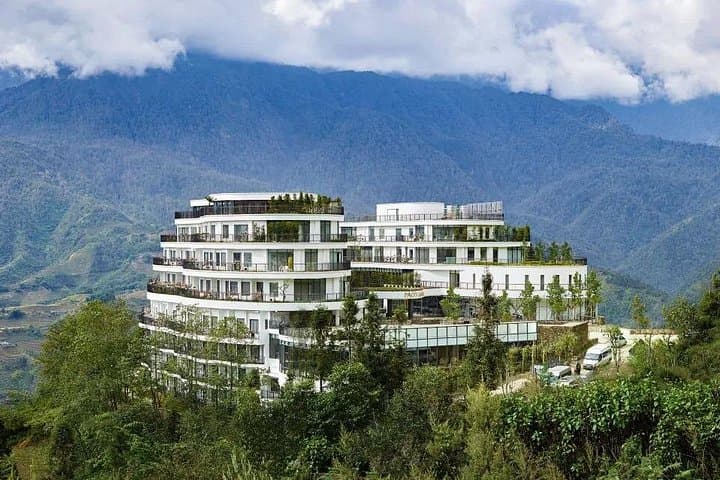


A cool mountain wind meets the van as it climbs out of Hanoi and the lowlands slip away. By afternoon the group is in Sapa town, high on the Hoang Lien Son range where rice terraces fan across the valley and waterfalls call travelers down narrow paths. The first day drops from Sapa to Cat Cat village, following stone steps and dirt trails beside a rushing stream; the second threads the Muong Hoa Valley through Y Linh Ho, Lao Chai and Ta Van before the return to town.
A cool mountain wind meets the van as it climbs out of Hanoi and the lowlands slip away. By afternoon the group is in Sapa town, high on the Hoang Lien Son range where rice terraces fan across the valley and waterfalls call travelers down narrow paths. The first day drops from Sapa to Cat Cat village, following stone steps and dirt trails beside a rushing stream; the second threads the Muong Hoa Valley through Y Linh Ho, Lao Chai and Ta Van before the return to town.
Sapa was shaped by geology and history: carved terraces sit on volcanic and metamorphic slopes of the Hoang Lien Son massif, while French colonial hill-station works left footbridges and the remains of a small hydroelectric station in Cat Cat. The villages are homes to Black Hmong and Dzay communities whose woven textiles and stilt-house architecture reflect centuries of upland rice farming.
On the trail expect 4–8 km of walking per day, a mix of steady descents, short climbs and stone steps, with elevation around 1,500–1,650 m in Sapa and variable local gains up to a few hundred meters. Trails can be muddy after rain and views open where terraces give way to ridgelines; streams and waterfalls often set the pace, daring you to pause.
Practical tips: book transfers from Hanoi to save time, carry water and small cash for village purchases, and bring layered clothing for fast-changing mountain weather. Footwear with grip and a light rain shell will make the two-day trek comfortable; the hotel overnight provides a solid recovery before the long limousine return to Hanoi.