THE ADVENTURE COLLECTIVE® · Independent discovery and booking for outdoor travel

Short on time but hungry for mountain rice terraces and village culture? This two-day Sapa trek pairs a Cat Cat afternoon walk with a full-day Muong Hoa valley route to Y Linh Ho, Lao Chai and Ta Van villages, plus a night in a 4-star Sapa hotel.
Short on time but hungry for mountain rice terraces and village culture? This two-day Sapa trek pairs a Cat Cat afternoon walk with a full-day Muong Hoa valley route to Y Linh Ho, Lao Chai and Ta Van villages, plus a night in a 4-star Sapa hotel.
You step off the sleeping bus into cool, thin air — Sapa sits high on the Hoang Lien range at roughly 1,500 m, and the valley smells of wet earth and pressed rice stalks. The first afternoon unfurls as a short, downhill walk to Cat Cat: a colonial-era trail that drops to the Muong Hoa stream, passes a small hydropower site and a tumbling waterfall, then climbs back into town.
Verified experiences and guided adventures in the surrounding area.
Operated by your indochina travel · Sapa, Lao Cai
You step off the sleeping bus into cool, thin air — Sapa sits high on the Hoang Lien range at roughly 1,500 m, and the valley smells of wet earth and pressed rice stalks. The first afternoon unfurls as a short, downhill walk to Cat Cat: a colonial-era trail that drops to the Muong Hoa stream, passes a small hydropower site and a tumbling waterfall, then climbs back into town.
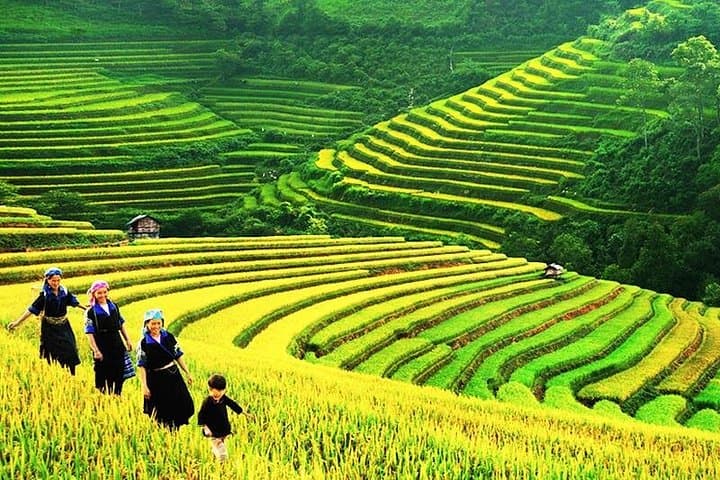
The second day traces terraces carved into the slopes for a century. Y Linh Ho’s rice benches tilt toward the valley like steps, Lao Chai holds Hmong homesteads, and Ta Van and Taphin introduce Giay craftsmanship and quieter lanes. Geologically the range is young and rugged — granitic and metamorphic outcrops rising from deep valley soil — which directs water into the Muong Hoa, the valley’s lifeline.
Culturally you’ll meet textile weavers, silversmiths and farmers who still use traditional tools; the day’s rhythm is set by irrigation channels and rice cycles. Practically: expect two days of walking — roughly 7–12 km total depending on route — with moderate elevation change (mostly descents and short climbs). Trails are dirt, farm tracks and village lanes; waterproof footwear and layers are essential because weather shifts quickly.
Bring cash for village purchases, plan for hot lunches provided by the operator, and allow time to photograph terraces in late afternoon light when the valley is at its clearest. The experience balances accessible trekking with intimate cultural encounters — a compact, doable introduction to Sapa’s highland world.
moderate.
2 days.
Suitable for travelers with moderate fitness who can walk 4–6 hours across uneven terrain over two days
The trek is rated moderate: expect multiple short ascents and descents and 7–12 km of walking across village lanes and farm paths over two days.
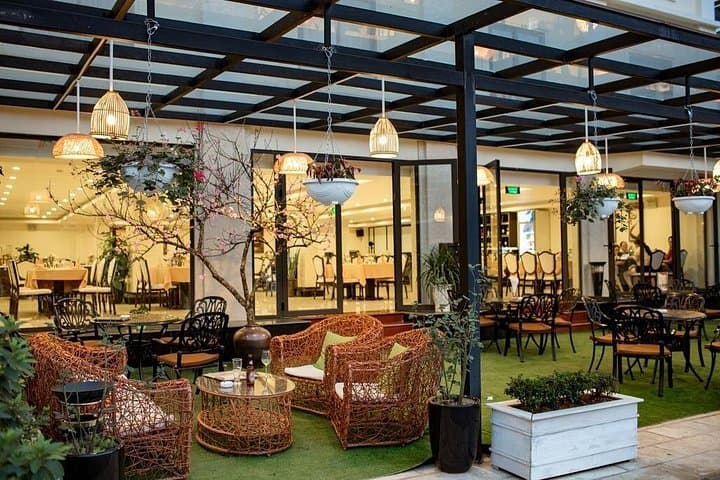
The itinerary includes one night at a 4-star hotel in Sapa town and an optional village homestay experience in Taphin depending on the operator’s plan.
Round-trip sleeping bus transfers between Hanoi and Sapa are included as part of the tour package.
A valid passport is required at booking and on the day of travel; check Vietnam visa rules for your nationality before departure.
Sapa became a French hill-station in the early 20th century; its colonial-era trails and town layout still reflect that period, while multiple ethnic groups (Hmong, Giay, Dao) maintain traditional lifeways in surrounding villages.
Stick to trails and avoid throwing waste; support locally run stalls and homestays to ensure tourism revenue benefits village communities and reduces pressure on fragile terrace agriculture.
your indochina travel operates guided outdoor trips and adventures with an emphasis on safety, stewardship, and memorable experiences.


You step off the sleeping bus into cool, thin air — Sapa sits high on the Hoang Lien range at roughly 1,500 m, and the valley smells of wet earth and pressed rice stalks. The first afternoon unfurls as a short, downhill walk to Cat Cat: a colonial-era trail that drops to the Muong Hoa stream, passes a small hydropower site and a tumbling waterfall, then climbs back into town.
You step off the sleeping bus into cool, thin air — Sapa sits high on the Hoang Lien range at roughly 1,500 m, and the valley smells of wet earth and pressed rice stalks. The first afternoon unfurls as a short, downhill walk to Cat Cat: a colonial-era trail that drops to the Muong Hoa stream, passes a small hydropower site and a tumbling waterfall, then climbs back into town.
The second day traces terraces carved into the slopes for a century. Y Linh Ho’s rice benches tilt toward the valley like steps, Lao Chai holds Hmong homesteads, and Ta Van and Taphin introduce Giay craftsmanship and quieter lanes. Geologically the range is young and rugged — granitic and metamorphic outcrops rising from deep valley soil — which directs water into the Muong Hoa, the valley’s lifeline.
Culturally you’ll meet textile weavers, silversmiths and farmers who still use traditional tools; the day’s rhythm is set by irrigation channels and rice cycles. Practically: expect two days of walking — roughly 7–12 km total depending on route — with moderate elevation change (mostly descents and short climbs). Trails are dirt, farm tracks and village lanes; waterproof footwear and layers are essential because weather shifts quickly.
Bring cash for village purchases, plan for hot lunches provided by the operator, and allow time to photograph terraces in late afternoon light when the valley is at its clearest. The experience balances accessible trekking with intimate cultural encounters — a compact, doable introduction to Sapa’s highland world.