THE ADVENTURE COLLECTIVE® · Independent discovery and booking for outdoor travel

This two-day Sapa itinerary pairs comfortable limousine travel with moderate trekking through Hmong and Red Dao villages, terraced rice fields and a traditional herbal bath. It’s a fast, culturally rich introduction to northern Vietnam’s highlands.
This two-day Sapa itinerary pairs comfortable limousine travel with moderate trekking through Hmong and Red Dao villages, terraced rice fields and a traditional herbal bath. It’s a fast, culturally rich introduction to northern Vietnam’s highlands.
A cool mountain wind meets the limousine as it eases off the highway and climbs toward Sapa, the town perched above rice terraces and scattered villages. By late morning the bus drops travelers into a town ringed by Fanxipan’s gray shoulders; the air carries wood smoke and the chatter of market stalls. Trekking begins on narrow dirt lanes through Cat Cat and Sin Chai, where slate roofs and indigo textiles punctuate the terraced slopes, and a waterfall dares you to step closer.
Verified experiences and guided adventures in the surrounding area.
Operated by Indochina Beauty Travel · Sapa, Lao Cai
A cool mountain wind meets the limousine as it eases off the highway and climbs toward Sapa, the town perched above rice terraces and scattered villages. By late morning the bus drops travelers into a town ringed by Fanxipan’s gray shoulders; the air carries wood smoke and the chatter of market stalls. Trekking begins on narrow dirt lanes through Cat Cat and Sin Chai, where slate roofs and indigo textiles punctuate the terraced slopes, and a waterfall dares you to step closer.
Sapa’s uplands were shaped by glacial and fluvial forces, producing the stepped Muong Hoa Valley that local Hmong and Red Dao communities have farmed for generations. French colonial planners turned Sapa into a hill station in the early 20th century; today the area is a living cultural landscape where traditional herbal baths and lacquered textiles reflect minority craft and medicinal practices.
Practical details matter: expect roughly 6 km of walking on day one and about 12 km on day two, at altitudes around 1,500–1,650 m. Trails are a mix of dirt, stone steps and farm tracks with moderate elevation changes—good hiking shoes and steady balance help. The tour uses a 9-seat luxury limousine for the 5.5-hour transfer from Hanoi, provides local English-speaking ethnic guides, and includes one night’s hotel and two lunches.
Plan for changeable weather—sun to drizzle—and allow extra time for photography and village interaction. Hydrate, carry small cash for craft stalls, and respect local customs when visiting homes and schools; staying on established paths preserves the terraces that feed these communities.
moderate.
2 days (approx. 5.5-hour transfers each way + 6–12 km trekking days).
Suitable for travelers with a moderate fitness level who can hike 6–12 km on mixed terrain and tolerate highland elevations.
The itinerary describes moderate treks: about 6 km on day one and around 12 km on day two over mixed dirt and stone paths with some steady ascents and descents.
Sapa town sits around 1,500–1,650 meters; most village trails remain in that range, so allow for cooler temperatures and slightly thinner air if you’re sensitive to altitude.
The 9-seater limousine offers more space and air-conditioning than standard buses for the roughly 5.5-hour transfer each way, but expect some road curvature on mountain approaches.
Guides facilitate visits; follow their lead, ask before photographing, and offer small purchases instead of uninvited gifts to support local economies.
Sapa was developed as a French hill station in the early 20th century and today remains home to Hmong, Red Dao and other ethnic minority communities with distinct languages and crafts.
Trekking can erode trails and pressure water resources—stick to marked paths, minimize plastic waste, and support locally run services to help sustain village economies.
Indochina Beauty Travel operates guided outdoor trips and adventures with an emphasis on safety, stewardship, and memorable experiences.
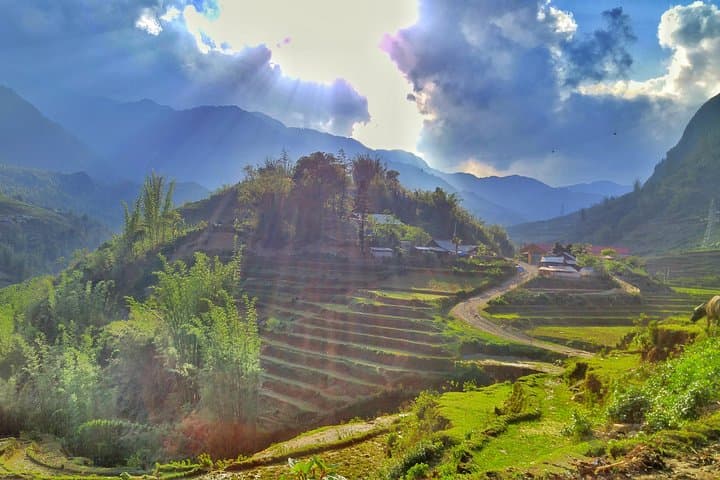


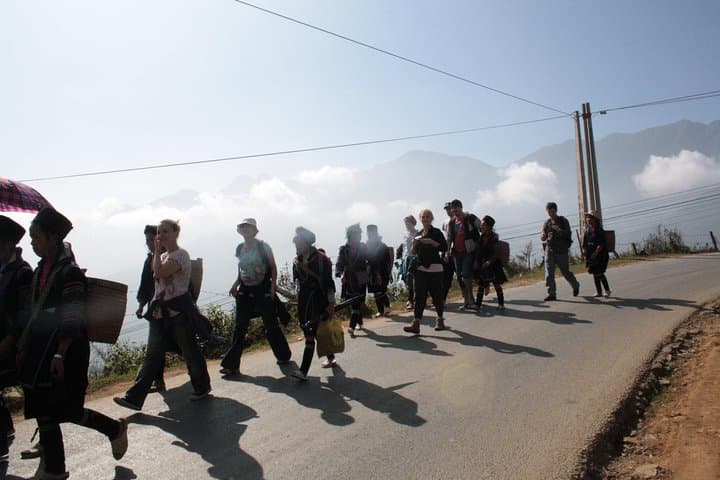
A cool mountain wind meets the limousine as it eases off the highway and climbs toward Sapa, the town perched above rice terraces and scattered villages. By late morning the bus drops travelers into a town ringed by Fanxipan’s gray shoulders; the air carries wood smoke and the chatter of market stalls. Trekking begins on narrow dirt lanes through Cat Cat and Sin Chai, where slate roofs and indigo textiles punctuate the terraced slopes, and a waterfall dares you to step closer.
A cool mountain wind meets the limousine as it eases off the highway and climbs toward Sapa, the town perched above rice terraces and scattered villages. By late morning the bus drops travelers into a town ringed by Fanxipan’s gray shoulders; the air carries wood smoke and the chatter of market stalls. Trekking begins on narrow dirt lanes through Cat Cat and Sin Chai, where slate roofs and indigo textiles punctuate the terraced slopes, and a waterfall dares you to step closer.
Sapa’s uplands were shaped by glacial and fluvial forces, producing the stepped Muong Hoa Valley that local Hmong and Red Dao communities have farmed for generations. French colonial planners turned Sapa into a hill station in the early 20th century; today the area is a living cultural landscape where traditional herbal baths and lacquered textiles reflect minority craft and medicinal practices.
Practical details matter: expect roughly 6 km of walking on day one and about 12 km on day two, at altitudes around 1,500–1,650 m. Trails are a mix of dirt, stone steps and farm tracks with moderate elevation changes—good hiking shoes and steady balance help. The tour uses a 9-seat luxury limousine for the 5.5-hour transfer from Hanoi, provides local English-speaking ethnic guides, and includes one night’s hotel and two lunches.
Plan for changeable weather—sun to drizzle—and allow extra time for photography and village interaction. Hydrate, carry small cash for craft stalls, and respect local customs when visiting homes and schools; staying on established paths preserves the terraces that feed these communities.