THE ADVENTURE COLLECTIVE® · Independent discovery and booking for outdoor travel

Two days of terrace trails, homestay dinners, and local guides born in the hills—this Sapa trek links Y Linh Ho, Lao Chai, Ta Van and Giang Ta Chai for an intimate introduction to ethnic minority life. Short daily distances and a night with a host family make it an accessible cultural trek.
Two days of terrace trails, homestay dinners, and local guides born in the hills—this Sapa trek links Y Linh Ho, Lao Chai, Ta Van and Giang Ta Chai for an intimate introduction to ethnic minority life. Short daily distances and a night with a host family make it an accessible cultural trek.
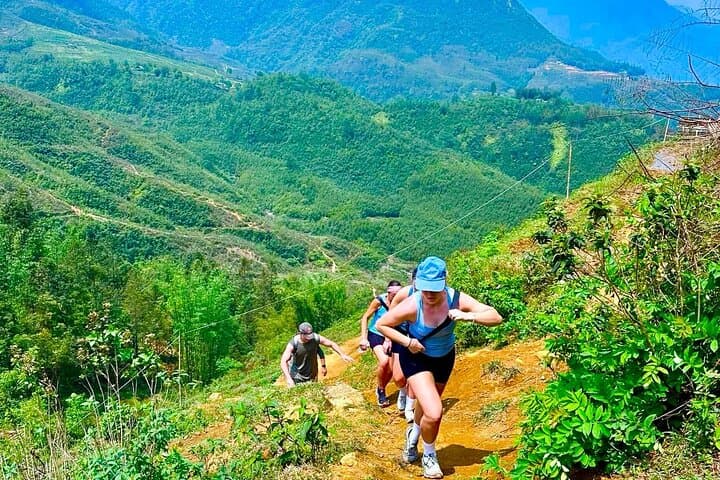
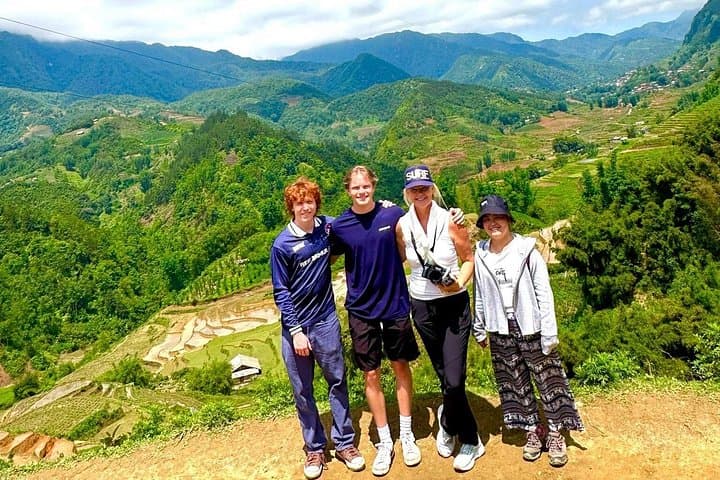
You step off the narrow town road and the hills take your pace: terraces fall away like steps toward the Muong Hoa River, and the air feels cooler and sharper with each switchback.
Verified experiences and guided adventures in the surrounding area.
Operated by Trekking SaPa Chu · Sapa, Lao Cai
You step off the narrow town road and the hills take your pace: terraces fall away like steps toward the Muong Hoa River, and the air feels cooler and sharper with each switchback.
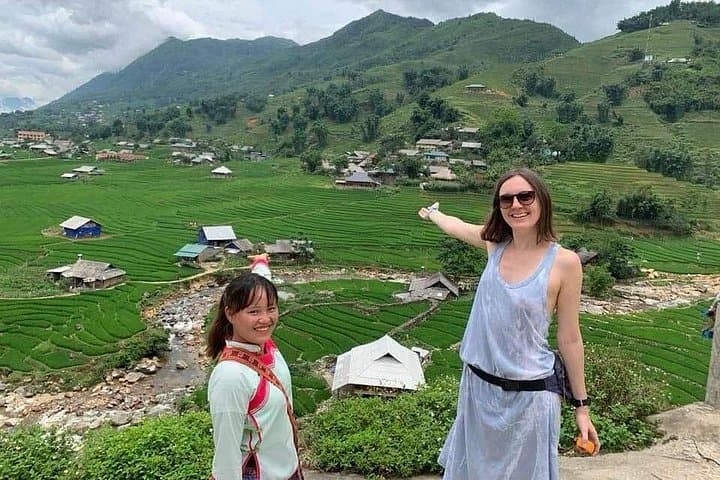
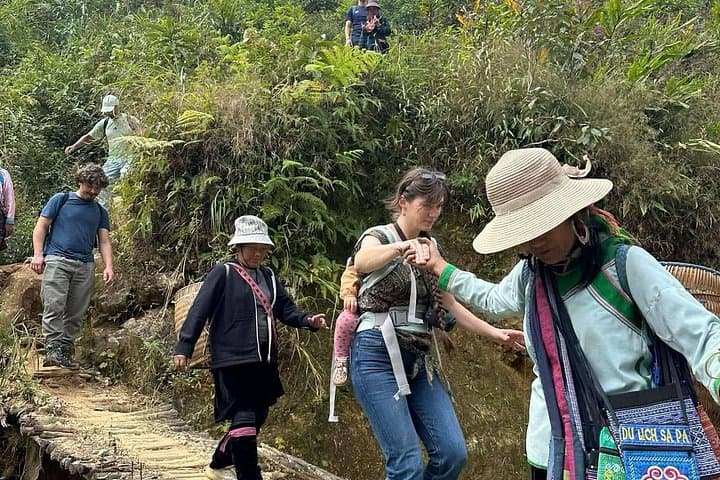
Day one slips through Y Linh Ho, Lao Chai and Ta Van—villages of Black Hmong and Giay families—where hand‑stitched garments hang from rafters and the river seems to dare you to follow it downstream. A local guide born here leads you across earthen trails that thread rice terraces and bamboo groves, ending at a family homestay where home‑cooked dinners and stories are part of the room rate.
This landscape is recent geology on a human scale: carved terraces on a steep, younger mountain front of the Hoang Lien range, shaped by monsoon rhythms and centuries of upland rice farming. The cultural imprint is as visible as the contour lines—traditional houses, indigo dyes, and Red Dao herbal baths in Giang Ta Chai.
Practical side: the trek is short but uneven—expect 6–7 km on day two and several hours of mixed ankle‑twisting trail over the two days. Pack a waterproof shell, sturdy hiking shoes, and local currency for snacks. Hydrate before you set out each morning; trail water sources are limited and treated bottled water is provided but carry a refillable bottle.
Respect household customs (ask before photographing), leave no trace on terraces, and plan your return to Sapa mid‑afternoon on day two. The trip is as much about people as it is about peaks—the rhythm of the trail follows both.
moderate.
2 days.
Suitable for hikers with moderate fitness who can walk 4–7 km on uneven trails and manage short climbs; not technical.
The trek begins and ends in Sapa town; pickups can often be arranged from central Sapa—confirm your pickup point when booking.
Daily distances are short to moderate with uneven, sometimes steep terrain—suitable for most walkers in reasonable health, but not advised for those with serious back or heart conditions.
Homestays are local family houses with basic but clean rooms, shared facilities, and home‑cooked meals reflecting local Giay and Hmong cuisine.
Guides and homestays can usually adapt meals with advance notice—list allergies or dietary needs during booking.
The Hoang Lien foothills have been home to Black Hmong, Giay and Red Dao communities for centuries, their terrace agriculture shaping both economy and landscape.
The region relies on community‑based tourism; staying locally supports livelihoods, and visitors should stick to trails to reduce erosion and protect rice terraces.
Trekking SaPa Chu operates guided outdoor trips and adventures with an emphasis on safety, stewardship, and memorable experiences.
You step off the narrow town road and the hills take your pace: terraces fall away like steps toward the Muong Hoa River, and the air feels cooler and sharper with each switchback.
You step off the narrow town road and the hills take your pace: terraces fall away like steps toward the Muong Hoa River, and the air feels cooler and sharper with each switchback.
Day one slips through Y Linh Ho, Lao Chai and Ta Van—villages of Black Hmong and Giay families—where hand‑stitched garments hang from rafters and the river seems to dare you to follow it downstream. A local guide born here leads you across earthen trails that thread rice terraces and bamboo groves, ending at a family homestay where home‑cooked dinners and stories are part of the room rate.
This landscape is recent geology on a human scale: carved terraces on a steep, younger mountain front of the Hoang Lien range, shaped by monsoon rhythms and centuries of upland rice farming. The cultural imprint is as visible as the contour lines—traditional houses, indigo dyes, and Red Dao herbal baths in Giang Ta Chai.
Practical side: the trek is short but uneven—expect 6–7 km on day two and several hours of mixed ankle‑twisting trail over the two days. Pack a waterproof shell, sturdy hiking shoes, and local currency for snacks. Hydrate before you set out each morning; trail water sources are limited and treated bottled water is provided but carry a refillable bottle.
Respect household customs (ask before photographing), leave no trace on terraces, and plan your return to Sapa mid‑afternoon on day two. The trip is as much about people as it is about peaks—the rhythm of the trail follows both.