THE ADVENTURE COLLECTIVE® · Independent discovery and booking for outdoor travel

Walk two days through rice terraces to Ta Van and Giang Ta Chai, sleeping one night in a village homestay. This guided trek mixes manageable hiking with direct cultural exchange and valley views.
Walk two days through rice terraces to Ta Van and Giang Ta Chai, sleeping one night in a village homestay. This guided trek mixes manageable hiking with direct cultural exchange and valley views.
Morning mist lifts off the valley as you step from Sapa town onto a narrow trail, the path slipping between stepped rice paddies and homestay roofs. Over two days you move through carved terraces, cross bamboo bridges and descend into villages where children wave from farm tracks and water buffalo graze at the field edge.
Verified experiences and guided adventures in the surrounding area.
Operated by Asia Travel Legend · Sapa, Lao Cai
Morning mist lifts off the valley as you step from Sapa town onto a narrow trail, the path slipping between stepped rice paddies and homestay roofs. Over two days you move through carved terraces, cross bamboo bridges and descend into villages where children wave from farm tracks and water buffalo graze at the field edge.
This route threads Hmong and Giay communities, French-colonial Sapa history and the granite ridges of the Hoang Lien range. Geology here is dramatic: ancient metamorphic bedrock weathered into steep ridgelines and fertile, human-shaped terraces. Cultural exchange is part of the journey — families host you in a communal loft, dinner served family-style, and local stories often accompany your night's cup of tea.
Expect 8–10 hours of walking per day broken into shorter segments (most groups hike 10–15 km total per day with 200–600 m cumulative elevation change depending on your chosen route). Terrain is a mix of compacted dirt, stone steps and occasional slippery rice tracks; rain turns paths soft quickly.
Practical advice: start at 9am with a small daypack, waterproof layer and sturdy shoes. Hydrate frequently; carry cash for small purchases and modest tips for hosts. If you prefer gentler grades, tell your guide — they’ll tailor the route. Homestays offer hot showers at many houses, shared loft sleeping with mosquito nets and local food; bring a spare set of clothes for the evening. The trek balances active walking with meaningful cultural contact — a concise, immersive way to experience northern Vietnam’s landscapes and village life.
moderate.
2 days (6–8 hours walking per day).
Moderately fit: comfortable walking up to 10–15 km per day with some elevation gain
The trek is rated moderate: daily walks are 6–8 hours with rolling elevation; routes can be adjusted for a gentler pace.
Most homestays provide shared loft rooms with beds, mosquito nets and access to a hot shower at many locations; expect communal dining.
Yes — the tour includes a private guide and entrance fee to the valley; transportation back to Sapa is included.
Meals listed are included; carry at least 1–2 liters of water per day and cash for snacks or extra drinks.
Sapa grew under French colonial influence in the early 20th century and is surrounded by villages of Hmong, Dao and Giay ethnic groups with long agricultural traditions.
Terraced farming sustains local livelihoods but is vulnerable to erosion and intensive tourism; stick to trails, support licensed homestays and avoid single-use plastics.
Asia Travel Legend operates guided outdoor trips and adventures with an emphasis on safety, stewardship, and memorable experiences.

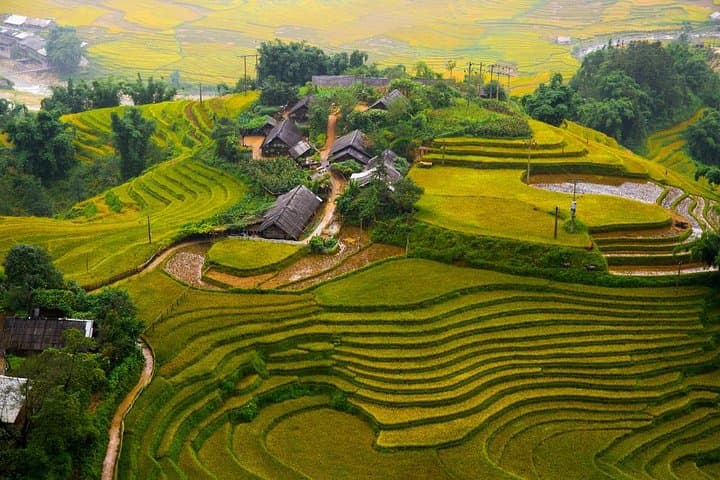
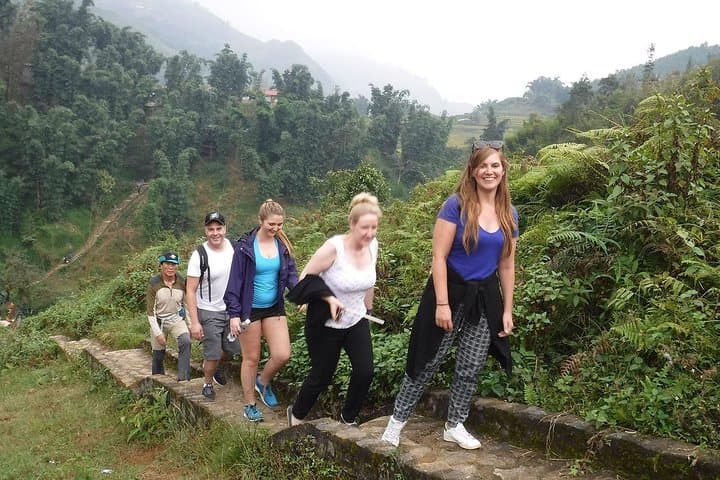

Morning mist lifts off the valley as you step from Sapa town onto a narrow trail, the path slipping between stepped rice paddies and homestay roofs. Over two days you move through carved terraces, cross bamboo bridges and descend into villages where children wave from farm tracks and water buffalo graze at the field edge.
Morning mist lifts off the valley as you step from Sapa town onto a narrow trail, the path slipping between stepped rice paddies and homestay roofs. Over two days you move through carved terraces, cross bamboo bridges and descend into villages where children wave from farm tracks and water buffalo graze at the field edge.
This route threads Hmong and Giay communities, French-colonial Sapa history and the granite ridges of the Hoang Lien range. Geology here is dramatic: ancient metamorphic bedrock weathered into steep ridgelines and fertile, human-shaped terraces. Cultural exchange is part of the journey — families host you in a communal loft, dinner served family-style, and local stories often accompany your night's cup of tea.
Expect 8–10 hours of walking per day broken into shorter segments (most groups hike 10–15 km total per day with 200–600 m cumulative elevation change depending on your chosen route). Terrain is a mix of compacted dirt, stone steps and occasional slippery rice tracks; rain turns paths soft quickly.
Practical advice: start at 9am with a small daypack, waterproof layer and sturdy shoes. Hydrate frequently; carry cash for small purchases and modest tips for hosts. If you prefer gentler grades, tell your guide — they’ll tailor the route. Homestays offer hot showers at many houses, shared loft sleeping with mosquito nets and local food; bring a spare set of clothes for the evening. The trek balances active walking with meaningful cultural contact — a concise, immersive way to experience northern Vietnam’s landscapes and village life.