THE ADVENTURE COLLECTIVE® · Independent discovery and booking for outdoor travel

A compact two-day trek from Sapa into Muong Hoa Valley with an overnight Dzay homestay. Expect 22 km of mixed trails, village visits to Hmong and Dao communities, a waterfall, and authentic local meals.
A compact two-day trek from Sapa into Muong Hoa Valley with an overnight Dzay homestay. Expect 22 km of mixed trails, village visits to Hmong and Dao communities, a waterfall, and authentic local meals.
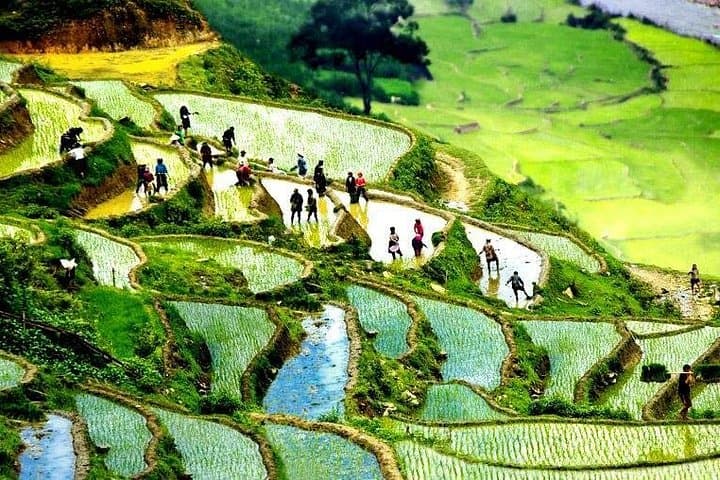
Dawn on the overnight bus arrives with mist unravelling off ridgelines; by 06:00 the mood in Sapa is a cool, thin air that pushes a slow clarity into the terraces below. Walkers slip off the road into a braided trail that drops 12 km into Muong Hoa Valley, where the stream threads like a low, confident current beneath rice benches carved into the mountain.
Verified experiences and guided adventures in the surrounding area.
Operated by Incredible Vietnam Tours · Sapa, Lao Cai
Dawn on the overnight bus arrives with mist unravelling off ridgelines; by 06:00 the mood in Sapa is a cool, thin air that pushes a slow clarity into the terraces below. Walkers slip off the road into a braided trail that drops 12 km into Muong Hoa Valley, where the stream threads like a low, confident current beneath rice benches carved into the mountain.
This two-day trek covers roughly 22 km of marked and single-track trails at 1,500–1,800 m elevation, moving from village to valley and back into the foothills of Hoang Lien Son National Park. The route traces centuries of hillside agriculture—Hmong, Dzay, Tay and Dao communities farm terraces and keep medicinal plants in nearby forest patches. Geological folding of the Hoang Lien range gives steep slopes and sudden viewpoints; water has cut the Muong Hoa gorge into a visible spine of the valley.
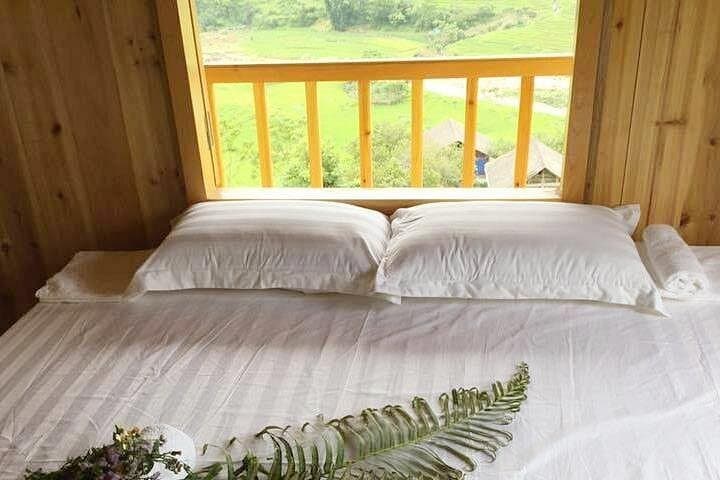
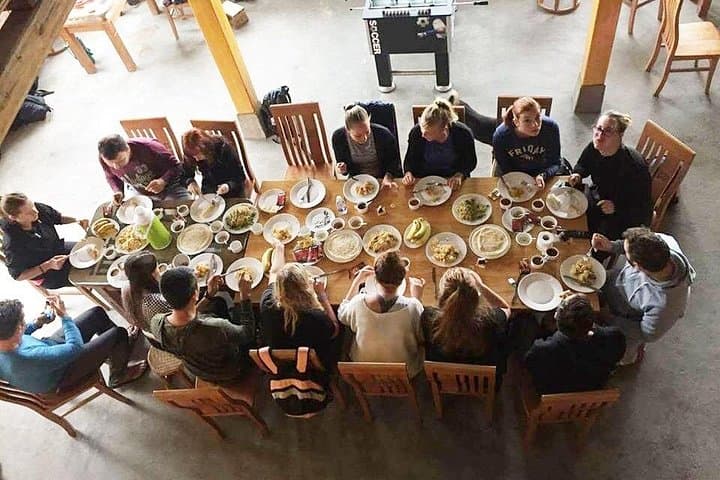
Cultural highlights are immediate: a night in a Dzay homestay, shared meals using garden vegetables and the chance to learn textile patterns and customs from Black H’mong households. Day two adds a waterfall at Giang Ta Chai and a rattan bridge crossing before a short transfer back to Sapa and the return sleeper bus.
Practical notes: expect uneven, sometimes muddy trails and several steep descents/ascents—good footwear matters. Carry layered clothing for cold mornings, waterproofs for sudden rain, and small cash for local purchases. The itinerary is structured for moderate fitness: plan for 3–5 hours of trekking each day, early starts, and simple homestay comforts rather than hotel luxury.
moderate.
2 days (approx. 22 km total).
Moderate—suitable for walkers who can handle 3–5 hours of hiking per day with some elevation change.
A moderate level of fitness is required—participants should be comfortable hiking 3–5 hours per day on uneven terrain and carrying a light daypack.
Overnight is in a local Dzay homestay with shared facilities and home-cooked meals—expect simple, authentic conditions rather than hotel comforts.
The route uses a sleeping bus service that departs Hanoi at night; it’s basic but efficient for overnight transfers—bring a neck pillow and light blanket if sensitive to temperature.
A valid passport is required for booking; bring local currency (VND) for small purchases, tips, and village souvenirs as many places don’t accept cards.
Sapa’s valleys have been cultivated for centuries by local ethnic groups; terraced rice agriculture here reflects generations of hillside engineering.
Stick to marked trails and avoid stepping on terraces; support local economies by buying directly from village sellers and minimizing single-use plastics.
Incredible Vietnam Tours operates guided outdoor trips and adventures with an emphasis on safety, stewardship, and memorable experiences.

Dawn on the overnight bus arrives with mist unravelling off ridgelines; by 06:00 the mood in Sapa is a cool, thin air that pushes a slow clarity into the terraces below. Walkers slip off the road into a braided trail that drops 12 km into Muong Hoa Valley, where the stream threads like a low, confident current beneath rice benches carved into the mountain.
Dawn on the overnight bus arrives with mist unravelling off ridgelines; by 06:00 the mood in Sapa is a cool, thin air that pushes a slow clarity into the terraces below. Walkers slip off the road into a braided trail that drops 12 km into Muong Hoa Valley, where the stream threads like a low, confident current beneath rice benches carved into the mountain.
This two-day trek covers roughly 22 km of marked and single-track trails at 1,500–1,800 m elevation, moving from village to valley and back into the foothills of Hoang Lien Son National Park. The route traces centuries of hillside agriculture—Hmong, Dzay, Tay and Dao communities farm terraces and keep medicinal plants in nearby forest patches. Geological folding of the Hoang Lien range gives steep slopes and sudden viewpoints; water has cut the Muong Hoa gorge into a visible spine of the valley.
Cultural highlights are immediate: a night in a Dzay homestay, shared meals using garden vegetables and the chance to learn textile patterns and customs from Black H’mong households. Day two adds a waterfall at Giang Ta Chai and a rattan bridge crossing before a short transfer back to Sapa and the return sleeper bus.
Practical notes: expect uneven, sometimes muddy trails and several steep descents/ascents—good footwear matters. Carry layered clothing for cold mornings, waterproofs for sudden rain, and small cash for local purchases. The itinerary is structured for moderate fitness: plan for 3–5 hours of trekking each day, early starts, and simple homestay comforts rather than hotel luxury.