THE ADVENTURE COLLECTIVE® · Independent discovery and booking for outdoor travel

A compact 2-day trek from Hanoi into the Hoàng Liên Sơn range, this shared tour pairs easy-to-moderate walks across iconic rice terraces with visits to H'mong and Dao villages and a night in Sapa town. Expect uneven trails, cultural encounters, and early bus travel.
A compact 2-day trek from Hanoi into the Hoàng Liên Sơn range, this shared tour pairs easy-to-moderate walks across iconic rice terraces with visits to H'mong and Dao villages and a night in Sapa town. Expect uneven trails, cultural encounters, and early bus travel.
The bus eases out of Hanoi before dawn and the low hills of northern Vietnam fold into a green, rising country. By late morning the air tastes cooler and terraces step down the slopes like carved stairs; Muong Hoa stream threads the valley, insisting you slow down and look.
Verified experiences and guided adventures in the surrounding area.
Operated by Dragon Tourist - Vina Cruise · Sapa, Lao Cai
The bus eases out of Hanoi before dawn and the low hills of northern Vietnam fold into a green, rising country. By late morning the air tastes cooler and terraces step down the slopes like carved stairs; Muong Hoa stream threads the valley, insisting you slow down and look.
Sapa sits on the southern flank of the Hoàng Liên Sơn range, geology shaped by uplift and monsoon-fed erosion that produces the sawtooth ridges and bench-like rice fields. French colonial engineers left their mark too—look for the tiny hydroelectric remains at Cat Cat, a practical reminder of early 20th-century industry beside traditional Hmong houses.
The tour balances landscape and living culture: hikes through Y Linh Ho, Lao Chai and Ta Van expose a working countryside where Black H’mong, Red Dao and Dzay communities farm steep plots and trade textiles in small markets. Expect close-up cultural exchange—storytelling, textiles, and small homestay businesses that support local incomes.
Practically, this is an accessible multi-day trek: single-night hotel stay in Sapa, daytime walks of a few hours on uneven, sometimes muddy trails, and shared transport on sleeping/cabin buses. Bring layered rain protection, sturdy treaded shoes, and cash for village purchases; mobile signal is intermittent. Timings are tight—early bus, mid-day walks, and an afternoon return to Hanoi—so conserve energy and hydrate.
For planning: coordinate pickups in Hanoi, declare dietary needs, and budget extra time at village stops for photography and interactions. In Sapa the landscape will both coax and challenge you—rice terraces daring you to climb for the best view.
moderate.
2 days.
Comfortable with several hours of walking on uneven, sometimes steep terrain; good for regular walkers.
Expect several walking segments of 1–3 hours each on day one and two, with breaks for village visits and lunch.
The tour uses sleeping/cabin VIP buses; they are basic but designed for overnight transit—bring earplugs and a neck pillow.
Yes—one night in a 4-star Sapa hotel and specified breakfasts, lunches and dinner are included; dietary needs can be accommodated if notified in advance.
International travelers should carry passports for ID and may need a visa for Vietnam depending on nationality—check entry requirements before travel.
Sapa rose as a hill station during French colonial rule; the valley’s terraces are a product of centuries of upland rice agriculture and ethnic minority stewardship.
Visitors should stick to marked trails, avoid buying wildlife products, and support local guides and village-run businesses to keep revenue in the community.
Dragon Tourist - Vina Cruise operates guided outdoor trips and adventures with an emphasis on safety, stewardship, and memorable experiences.
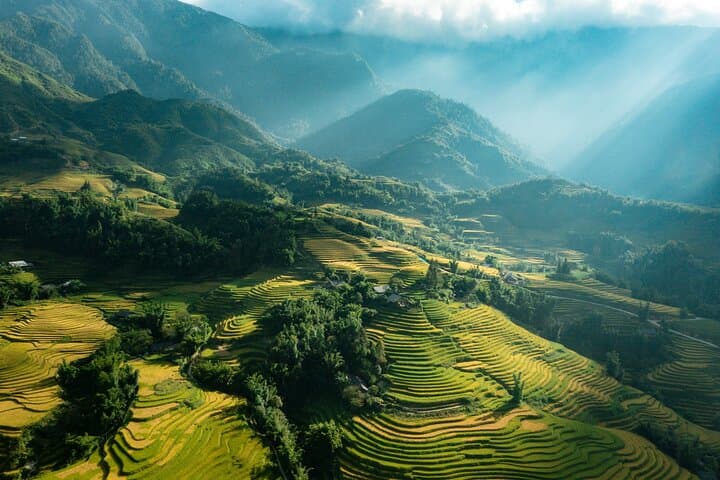
The bus eases out of Hanoi before dawn and the low hills of northern Vietnam fold into a green, rising country. By late morning the air tastes cooler and terraces step down the slopes like carved stairs; Muong Hoa stream threads the valley, insisting you slow down and look.
The bus eases out of Hanoi before dawn and the low hills of northern Vietnam fold into a green, rising country. By late morning the air tastes cooler and terraces step down the slopes like carved stairs; Muong Hoa stream threads the valley, insisting you slow down and look.
Sapa sits on the southern flank of the Hoàng Liên Sơn range, geology shaped by uplift and monsoon-fed erosion that produces the sawtooth ridges and bench-like rice fields. French colonial engineers left their mark too—look for the tiny hydroelectric remains at Cat Cat, a practical reminder of early 20th-century industry beside traditional Hmong houses.
The tour balances landscape and living culture: hikes through Y Linh Ho, Lao Chai and Ta Van expose a working countryside where Black H’mong, Red Dao and Dzay communities farm steep plots and trade textiles in small markets. Expect close-up cultural exchange—storytelling, textiles, and small homestay businesses that support local incomes.
Practically, this is an accessible multi-day trek: single-night hotel stay in Sapa, daytime walks of a few hours on uneven, sometimes muddy trails, and shared transport on sleeping/cabin buses. Bring layered rain protection, sturdy treaded shoes, and cash for village purchases; mobile signal is intermittent. Timings are tight—early bus, mid-day walks, and an afternoon return to Hanoi—so conserve energy and hydrate.
For planning: coordinate pickups in Hanoi, declare dietary needs, and budget extra time at village stops for photography and interactions. In Sapa the landscape will both coax and challenge you—rice terraces daring you to climb for the best view.