THE ADVENTURE COLLECTIVE® · Independent discovery and booking for outdoor travel

Two days of manageable trekking from Hanoi to Sapa that combine village life, rice terraces and river valleys. Ideal for travelers who want active exploration with a hotel night in Sapa town.
Two days of manageable trekking from Hanoi to Sapa that combine village life, rice terraces and river valleys. Ideal for travelers who want active exploration with a hotel night in Sapa town.
A cool mist lifts off the Muong Hoa valley as the limousine from Hanoi winds up the mountain highway — by the time the bus sighs into Sapa town, terraces have already begun to color the slopes. On day one the group slips into narrower paths, descending 3.5 km to Cat Cat village where a French-era hydroelectric ruin and a short waterfall punctuate a walk through stone steps and rice paddies.
Verified experiences and guided adventures in the surrounding area.
Operated by Local Tours SAPA · Sapa, Lao Cai
A cool mist lifts off the Muong Hoa valley as the limousine from Hanoi winds up the mountain highway — by the time the bus sighs into Sapa town, terraces have already begun to color the slopes. On day one the group slips into narrower paths, descending 3.5 km to Cat Cat village where a French-era hydroelectric ruin and a short waterfall punctuate a walk through stone steps and rice paddies.
The second day opens early: a long trek of roughly 12 km follows the Muong Hoa stream, tracing carved terraces and wooden bridges en route to Y Linh Ho, Lao Chai and Ta Van. Sapa sits at about 1,500–1,650 m with Fansipan’s massif looming nearby; expect undulating terrain with intermittent steep sections and a cumulative elevation change of a few hundred meters during the day’s hike.
The region has long been home to H’Mong, Dzao and Dzay communities; village paths, stilted houses and indigo textiles reflect a living cultural landscape rather than a museum display. Geologically, the Hoang Lien range is young and rugged, its valleys carved by monsoon-fed streams that still push sediment down to feed the terraces.
Practical guidance: pack waterproof footwear and layers, carry at least 1.5–2 L of water, and plan for muddy, uneven stone paths after rain. Bring local cash for small purchases and tip guides if satisfied. The tour is designed for travelers who want a compact, guided sample of Sapa’s best walks with a comfortable hotel night in town and a convenient roundtrip transfer from Hanoi.
moderate.
2 days.
Suitable for travelers with a moderate level of fitness: regular walkers who can handle 4–6 hours of mixed-terrain hiking per day.
Pickup is offered around Hanoi Old Quarter, Hanoi Opera House or the local office; the tour uses a high-quality limousine and departs early morning (around 07:00).
The walking is moderate: day one is a short 3.5 km descent, day two is about 12 km over 4–5 hours with occasional steep sections—suitable for moderately fit travelers.
A private room in a 3- or 4-star hotel in Sapa town is provided for the overnight stay, with breakfast included on day two.
Guides may adjust pacing or short sections for safety, but the main route and transfer schedule are generally fixed; notify the operator of any mobility concerns in advance.
The valley trails connect H’Mong, Dzao and Dzay villages; Cat Cat contains remnants of a French-built small hydroelectric station from the colonial era.
Trails are vulnerable to erosion during the monsoon—stick to marked paths, avoid disturbing terraces, and support local guides to ensure tourism benefits communities.
Local Tours SAPA operates guided outdoor trips and adventures with an emphasis on safety, stewardship, and memorable experiences.
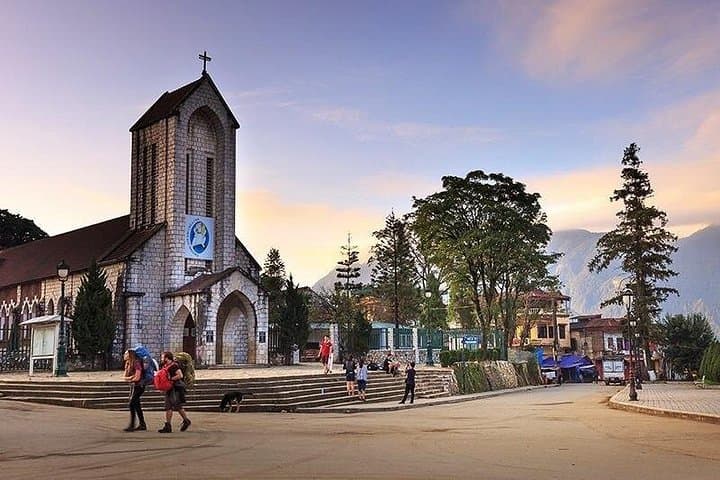
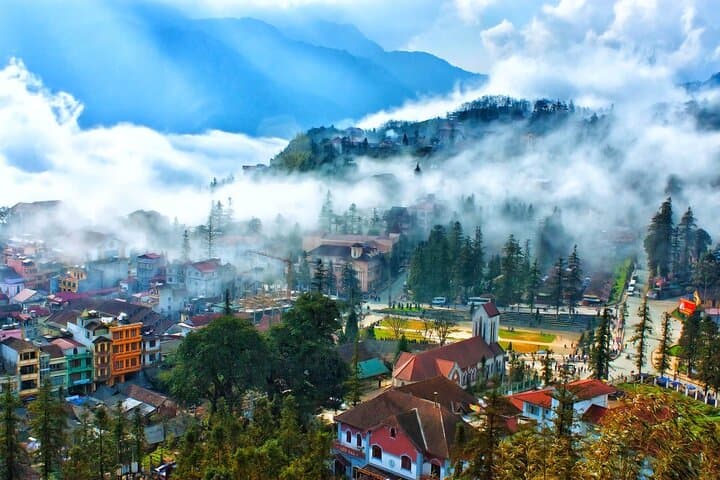
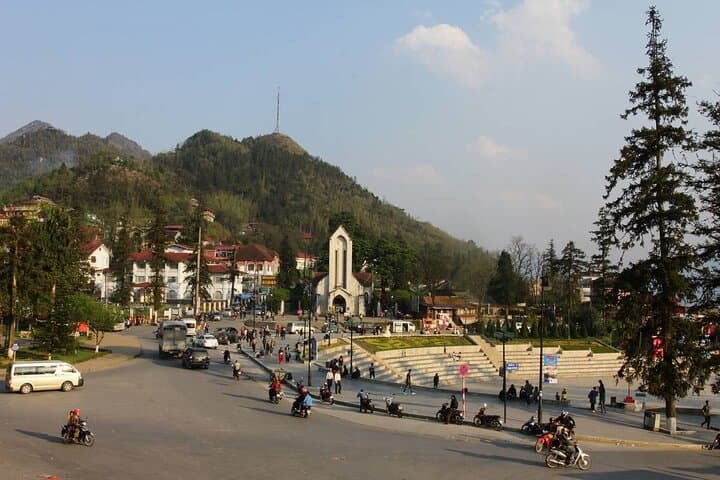
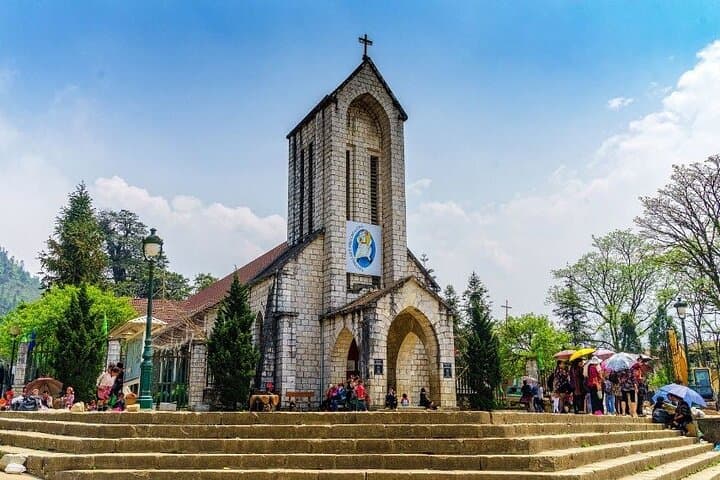
A cool mist lifts off the Muong Hoa valley as the limousine from Hanoi winds up the mountain highway — by the time the bus sighs into Sapa town, terraces have already begun to color the slopes. On day one the group slips into narrower paths, descending 3.5 km to Cat Cat village where a French-era hydroelectric ruin and a short waterfall punctuate a walk through stone steps and rice paddies.
A cool mist lifts off the Muong Hoa valley as the limousine from Hanoi winds up the mountain highway — by the time the bus sighs into Sapa town, terraces have already begun to color the slopes. On day one the group slips into narrower paths, descending 3.5 km to Cat Cat village where a French-era hydroelectric ruin and a short waterfall punctuate a walk through stone steps and rice paddies.
The second day opens early: a long trek of roughly 12 km follows the Muong Hoa stream, tracing carved terraces and wooden bridges en route to Y Linh Ho, Lao Chai and Ta Van. Sapa sits at about 1,500–1,650 m with Fansipan’s massif looming nearby; expect undulating terrain with intermittent steep sections and a cumulative elevation change of a few hundred meters during the day’s hike.
The region has long been home to H’Mong, Dzao and Dzay communities; village paths, stilted houses and indigo textiles reflect a living cultural landscape rather than a museum display. Geologically, the Hoang Lien range is young and rugged, its valleys carved by monsoon-fed streams that still push sediment down to feed the terraces.
Practical guidance: pack waterproof footwear and layers, carry at least 1.5–2 L of water, and plan for muddy, uneven stone paths after rain. Bring local cash for small purchases and tip guides if satisfied. The tour is designed for travelers who want a compact, guided sample of Sapa’s best walks with a comfortable hotel night in town and a convenient roundtrip transfer from Hanoi.