THE ADVENTURE COLLECTIVE® · Independent discovery and booking for outdoor travel

Two days of guided trekking from Hanoi take you into Muong Hoa Valley’s terraces, remote upland villages and Cat Cat waterfall with an overnight in Sapa town. Ideal for travelers who want cultural contact and highland scenery on a compact schedule.
Two days of guided trekking from Hanoi take you into Muong Hoa Valley’s terraces, remote upland villages and Cat Cat waterfall with an overnight in Sapa town. Ideal for travelers who want cultural contact and highland scenery on a compact schedule.
You step off the sleeper bus into a cool mountain air that pushes back at the city heat—terraced fields unfurl like staircases cut into the clouds and local women in embroidered dress move through narrow paths with practiced ease.
Verified experiences and guided adventures in the surrounding area.
Operated by Local Tours PU LUONG · Sapa, Lao Cai
You step off the sleeper bus into a cool mountain air that pushes back at the city heat—terraced fields unfurl like staircases cut into the clouds and local women in embroidered dress move through narrow paths with practiced ease.
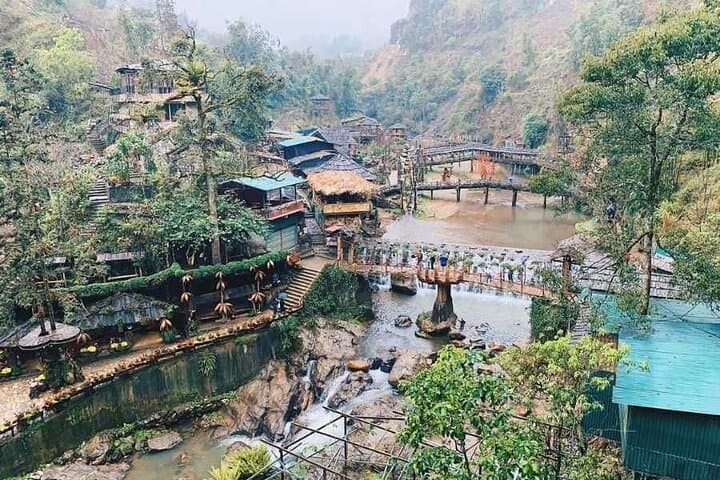
This two-day loop follows carved trails through Muong Hoa Valley, starting with a short downhill to Cat Cat village and a visit to its waterfall, then a longer ridge-to-valley trek across Y Linh Ho, Lao Chai and Ta Van. The land here was reshaped over centuries: steep limestone foothills and glacial deposits give way to hand-crafted rice terraces that change color with the season. Sapa itself is a French-era hill station where H’mong, Dzao and Tay communities have kept textile and farming traditions alive.
Expect mixed terrain—stone stairs, muddy trail sections, and occasional paved village lanes—totaling roughly 12–13 km of walking across both days, with elevation changes gentle but persistent. Guides lead the route, interpret local customs, and handle logistics so the trip stays focused on scenery and culture rather than navigation.
Practical edge: start early to avoid mid-day haze, carry layered clothing for rapid temperature swings, and bring cash for small purchases and market crafts. The bus transfer from Hanoi is long (5–6 hours each way) but economical and allows an overnight in a Sapa hotel to recover. Comfortable footwear, a daypack, rain protection, and respect for village life will make the two-day experience straightforward and memorable.
moderate.
2 days.
Suitable for people with regular walking fitness; comfortable with sustained 3–4 hour hikes and uneven terrain.
The bus transfer typically takes 5–6 hours each way with rest stops; the operator uses sleeper-morning or standard buses depending on schedule.
Yes—notify the operator in advance and they will try to accommodate vegetarian or other dietary needs on included meals.
No technical experience is needed; trails are unmarked in places but a guide leads the group, and overall fitness for 3–4 hours of walking is sufficient.
Sapa sits around 1,500 m (4,900 ft); most travelers acclimate quickly, but bring layers to manage cooler temperatures and bring any personal medications if you are sensitive to altitude.
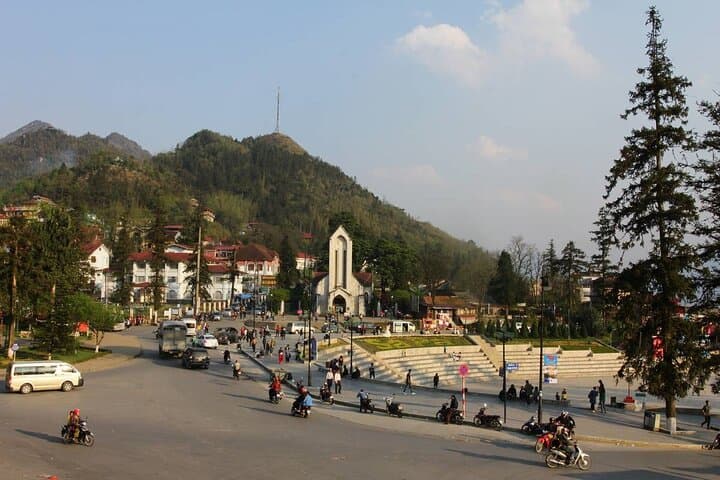
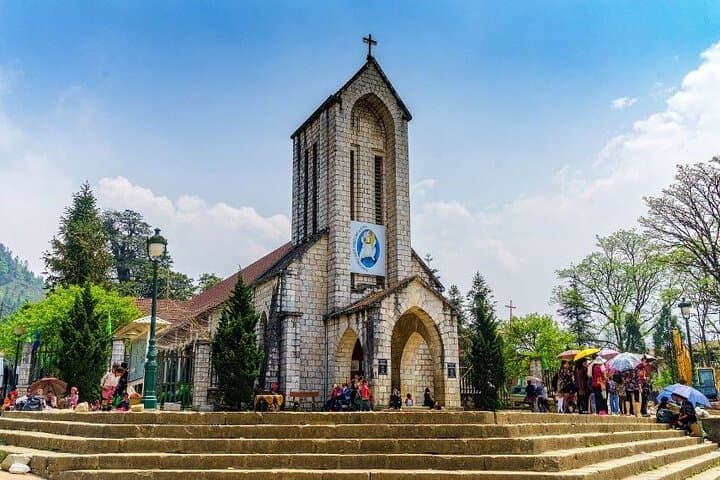
Sapa was developed as a French hill station in the early 20th century and remains home to H’mong, Dzao and Tay communities with long-standing textile and rice-farming traditions.
Terraced agriculture is fragile—stay on paths, avoid trampling paddies, and minimize single-use plastics to reduce tourism impact.
Local Tours PU LUONG operates guided outdoor trips and adventures with an emphasis on safety, stewardship, and memorable experiences.

You step off the sleeper bus into a cool mountain air that pushes back at the city heat—terraced fields unfurl like staircases cut into the clouds and local women in embroidered dress move through narrow paths with practiced ease.
You step off the sleeper bus into a cool mountain air that pushes back at the city heat—terraced fields unfurl like staircases cut into the clouds and local women in embroidered dress move through narrow paths with practiced ease.
This two-day loop follows carved trails through Muong Hoa Valley, starting with a short downhill to Cat Cat village and a visit to its waterfall, then a longer ridge-to-valley trek across Y Linh Ho, Lao Chai and Ta Van. The land here was reshaped over centuries: steep limestone foothills and glacial deposits give way to hand-crafted rice terraces that change color with the season. Sapa itself is a French-era hill station where H’mong, Dzao and Tay communities have kept textile and farming traditions alive.
Expect mixed terrain—stone stairs, muddy trail sections, and occasional paved village lanes—totaling roughly 12–13 km of walking across both days, with elevation changes gentle but persistent. Guides lead the route, interpret local customs, and handle logistics so the trip stays focused on scenery and culture rather than navigation.
Practical edge: start early to avoid mid-day haze, carry layered clothing for rapid temperature swings, and bring cash for small purchases and market crafts. The bus transfer from Hanoi is long (5–6 hours each way) but economical and allows an overnight in a Sapa hotel to recover. Comfortable footwear, a daypack, rain protection, and respect for village life will make the two-day experience straightforward and memorable.