THE ADVENTURE COLLECTIVE® · Independent discovery and booking for outdoor travel

A two-day small-group trek from Hanoi to Sapa that pairs Cat Cat village and Muong Hoa valley with overnight comfort in town. Expect terraced rice fields, village homestays, and a moderate level of hiking across variable trails.
A two-day small-group trek from Hanoi to Sapa that pairs Cat Cat village and Muong Hoa valley with overnight comfort in town. Expect terraced rice fields, village homestays, and a moderate level of hiking across variable trails.
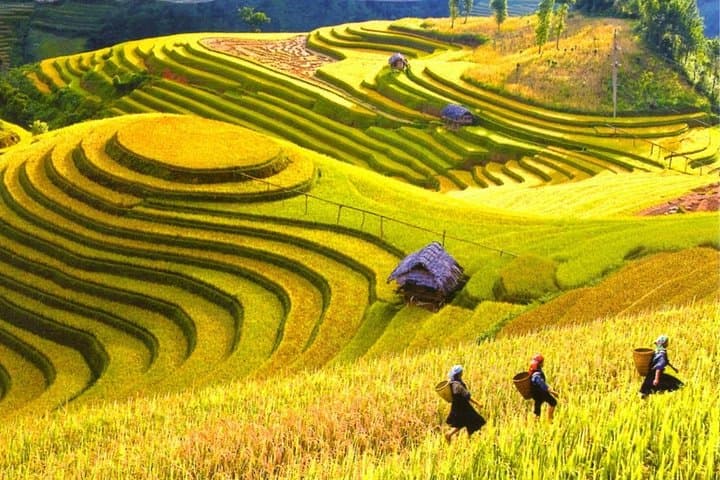
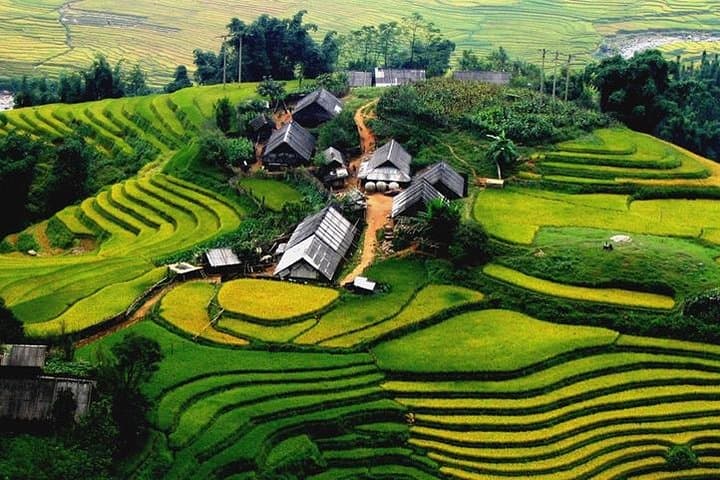
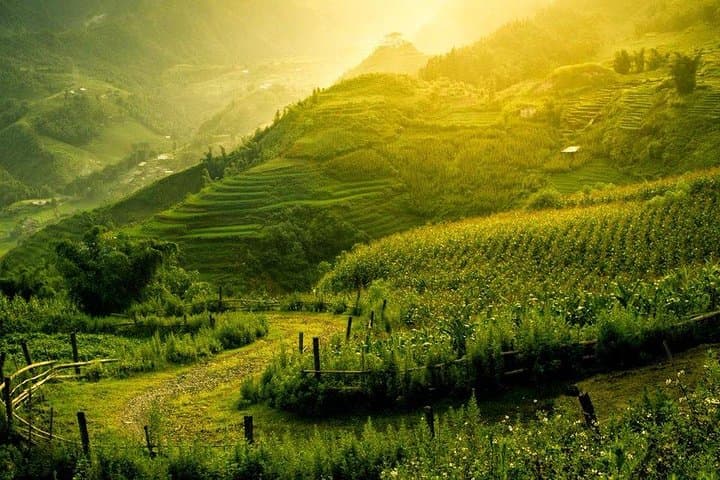
The bus slides out of Hanoi before dawn and the lowland haze peels away into steep, cloud-tipped ridgelines. By midday you’re in Sapa town—crisp air, slate roofs, terraces stepping down the valley—and the trail pulls you toward a different pace. A track threads through rice terraces, water burbling beside your boots, locals passing with bundles and curious smiles; even the stream seems to urge you forward.
Verified experiences and guided adventures in the surrounding area.
Operated by SWALLOW TRAVEL · Sapa, Lao Cai
The bus slides out of Hanoi before dawn and the lowland haze peels away into steep, cloud-tipped ridgelines. By midday you’re in Sapa town—crisp air, slate roofs, terraces stepping down the valley—and the trail pulls you toward a different pace. A track threads through rice terraces, water burbling beside your boots, locals passing with bundles and curious smiles; even the stream seems to urge you forward.
Sapa began as a French hill station in the early 20th century and the landscape still carries those colonial traces: old hydroelectric works, stepped fields shaped by generations. Geologically, the region sits on folded metamorphic rock, carved by seasonal monsoon flows into the Muong Hoa valley basin. Culturally, the area is dominated by H’mong and Zay communities whose wooden houses, textiles and terraced farming shape daily life.
Practical guidance: expect moderate hiking on narrow, often muddy trails and paved village paths; trek distances range from short village walks to 4–8 km sections between hamlets. Weather shifts fast—fog and light rain are common outside high summer—and altitudes around 1,500–1,600 m can feel noticeably cooler than Hanoi.
Bring waterproof footwear, layers, and modest cash for crafts and tips. Start early to catch valley light, move deliberately on terraces, and respect private homes—many villages are working farms. The trip packs cultural encounters, broad mountain views and tactile fieldwork: rice terraces that move underfoot, children calling from doorways, and the quiet resilience of highland life.
moderate.
2 days (total tour 48 hours; trekking segments 2–6 hours).
Moderate fitness: comfortable walking on uneven ground, with some uphill and downhill sections.
The limousine bus takes about 5–6 hours via the Noi Bai highway with a short rest stop en route.
Yes—this tour includes village walks and moderate trails; travelers should have basic fitness but technical skills are not required.
The tour includes one night at a 3-star hotel (deluxe room at local Sapa hotels), with breakfast included.
Yes—there is an option to use a private car and guide for those who prefer not to trek; request this when booking.
Sapa was developed as a French hill station in the early 1900s; colonial-era infrastructure like small hydroelectric works remains in valleys and villages.
Terraced farming is fragile—stick to trails, avoid trampling young rice, reduce single-use plastic, and support registered local guides to keep tourism benefits in the community.
SWALLOW TRAVEL operates guided outdoor trips and adventures with an emphasis on safety, stewardship, and memorable experiences.

The bus slides out of Hanoi before dawn and the lowland haze peels away into steep, cloud-tipped ridgelines. By midday you’re in Sapa town—crisp air, slate roofs, terraces stepping down the valley—and the trail pulls you toward a different pace. A track threads through rice terraces, water burbling beside your boots, locals passing with bundles and curious smiles; even the stream seems to urge you forward.
The bus slides out of Hanoi before dawn and the lowland haze peels away into steep, cloud-tipped ridgelines. By midday you’re in Sapa town—crisp air, slate roofs, terraces stepping down the valley—and the trail pulls you toward a different pace. A track threads through rice terraces, water burbling beside your boots, locals passing with bundles and curious smiles; even the stream seems to urge you forward.
Sapa began as a French hill station in the early 20th century and the landscape still carries those colonial traces: old hydroelectric works, stepped fields shaped by generations. Geologically, the region sits on folded metamorphic rock, carved by seasonal monsoon flows into the Muong Hoa valley basin. Culturally, the area is dominated by H’mong and Zay communities whose wooden houses, textiles and terraced farming shape daily life.
Practical guidance: expect moderate hiking on narrow, often muddy trails and paved village paths; trek distances range from short village walks to 4–8 km sections between hamlets. Weather shifts fast—fog and light rain are common outside high summer—and altitudes around 1,500–1,600 m can feel noticeably cooler than Hanoi.
Bring waterproof footwear, layers, and modest cash for crafts and tips. Start early to catch valley light, move deliberately on terraces, and respect private homes—many villages are working farms. The trip packs cultural encounters, broad mountain views and tactile fieldwork: rice terraces that move underfoot, children calling from doorways, and the quiet resilience of highland life.