THE ADVENTURE COLLECTIVE® · Independent discovery and booking for outdoor travel

A compact two-day trek from Hanoi into the Hoàng Liên Sơn that threads Cat Cat, Y Linh Ho, Lao Chai and Ta Van—offering close-up terrace views, village visits and a night in Sapa. Ideal for travelers seeking cultural contact and accessible mountain walking.
A compact two-day trek from Hanoi into the Hoàng Liên Sơn that threads Cat Cat, Y Linh Ho, Lao Chai and Ta Van—offering close-up terrace views, village visits and a night in Sapa. Ideal for travelers seeking cultural contact and accessible mountain walking.
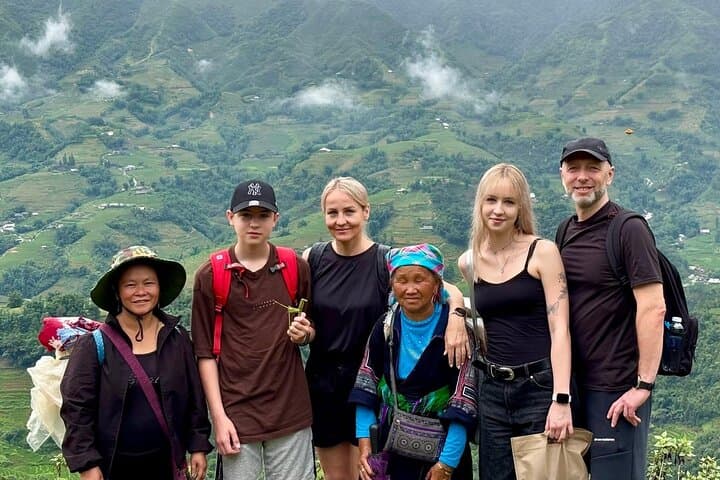
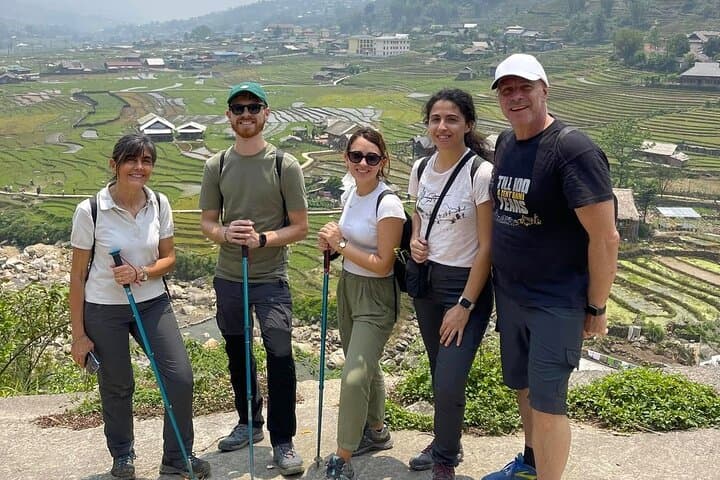
Dawn on the bus from Hanoi feels like a promise: fog thins, sleepers fold into windows and the Hoàng Liên Sơn ridgeline appears like a dark blade against the sky. Arriving in Sapa, tourists step into a cooler climate where terraces tier down the valleys and a thin stream—Muong Hoa—cuts through rice plots, daring you to follow its course.
Verified experiences and guided adventures in the surrounding area.
Operated by Asia Local Tour · Sapa, Lào Cai
Dawn on the bus from Hanoi feels like a promise: fog thins, sleepers fold into windows and the Hoàng Liên Sơn ridgeline appears like a dark blade against the sky. Arriving in Sapa, tourists step into a cooler climate where terraces tier down the valleys and a thin stream—Muong Hoa—cuts through rice plots, daring you to follow its course.
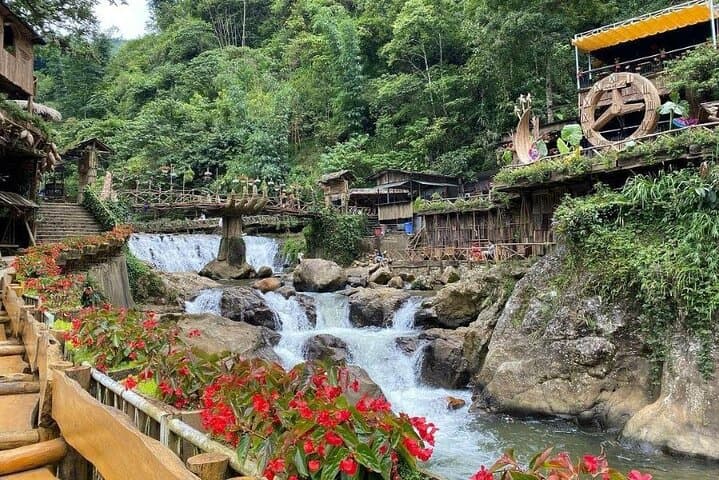
The route through Cat Cat, Y Linh Ho, Lao Chai and Ta Van threads history and geology together: granite peaks of the Hoàng Liên Sơn rise from ancient uplift, while French-era structures—like an early 20th-century hydroelectric plant at Cat Cat—are reminders of colonial infrastructure. Ethnically diverse communities (H’Mong, Red Dao, Tay, Dzay) maintain handicraft traditions and terraced rice agriculture that shape both culture and the land.
Expect well-marked village trails, stepped rice terraces, occasional mud after rain, and sustained views of the Fansipan massif on clear days. Guides explain crop cycles, textile patterns and the practical rhythms of mountain life.
Practical guidance: travel light but prepared—good trail shoes, quick-dry layers and rain protection matter; hiking is mostly gentle to moderate with sections of stone stairs and uneven paths. Plan arrivals and departures around the sleeping-bus schedule to maximize daylight trekking hours. Respect private terraces, ask before photographing households, and carry cash for small purchases. With basic fitness and an openness to cultural exchange, this two-day circuit offers high-return scenery and immersive village encounters without technical climbing.
easy.
2 days (approx 48 hours).
Basic cardiovascular fitness; able to walk 3–6 hours across uneven terrain with breaks
The walks are categorized as accessible for most fitness levels: expect steady walking on uneven trails and stairs but no technical climbing.
One night in a hotel in Sapa is included; other nights are by sleeping bus between Hanoi and Sapa.
Meals listed include 1 dinner, 2 lunches and 1 breakfast; carry snacks for the trail and notify dietary needs at booking.
March to May and September to November offer milder temperatures and clearer skies; avoid peak monsoon months if you want drier trails.
Sapa’s modern history includes French colonial-era developments—such as the Cat Cat hydroelectric site—and long-standing hill-tribe settlement patterns tied to rice terraces.
Terraced fields are sensitive to erosion and changing land use; support local guides and buy locally made crafts to help sustain communities and reduce environmental pressure.
Asia Local Tour operates guided outdoor trips and adventures with an emphasis on safety, stewardship, and memorable experiences.

Dawn on the bus from Hanoi feels like a promise: fog thins, sleepers fold into windows and the Hoàng Liên Sơn ridgeline appears like a dark blade against the sky. Arriving in Sapa, tourists step into a cooler climate where terraces tier down the valleys and a thin stream—Muong Hoa—cuts through rice plots, daring you to follow its course.
Dawn on the bus from Hanoi feels like a promise: fog thins, sleepers fold into windows and the Hoàng Liên Sơn ridgeline appears like a dark blade against the sky. Arriving in Sapa, tourists step into a cooler climate where terraces tier down the valleys and a thin stream—Muong Hoa—cuts through rice plots, daring you to follow its course.
The route through Cat Cat, Y Linh Ho, Lao Chai and Ta Van threads history and geology together: granite peaks of the Hoàng Liên Sơn rise from ancient uplift, while French-era structures—like an early 20th-century hydroelectric plant at Cat Cat—are reminders of colonial infrastructure. Ethnically diverse communities (H’Mong, Red Dao, Tay, Dzay) maintain handicraft traditions and terraced rice agriculture that shape both culture and the land.
Expect well-marked village trails, stepped rice terraces, occasional mud after rain, and sustained views of the Fansipan massif on clear days. Guides explain crop cycles, textile patterns and the practical rhythms of mountain life.
Practical guidance: travel light but prepared—good trail shoes, quick-dry layers and rain protection matter; hiking is mostly gentle to moderate with sections of stone stairs and uneven paths. Plan arrivals and departures around the sleeping-bus schedule to maximize daylight trekking hours. Respect private terraces, ask before photographing households, and carry cash for small purchases. With basic fitness and an openness to cultural exchange, this two-day circuit offers high-return scenery and immersive village encounters without technical climbing.