THE ADVENTURE COLLECTIVE® · Independent discovery and booking for outdoor travel

Walk rice terraces, visit Cat Cat waterfall and spend a night in a comfortable Sapa hotel on this accessible two-day trek through Muong Hoa valley. Expect intimate village visits, variable trail conditions, and easy-to-moderate hiking with big mountain views.
Walk rice terraces, visit Cat Cat waterfall and spend a night in a comfortable Sapa hotel on this accessible two-day trek through Muong Hoa valley. Expect intimate village visits, variable trail conditions, and easy-to-moderate hiking with big mountain views.
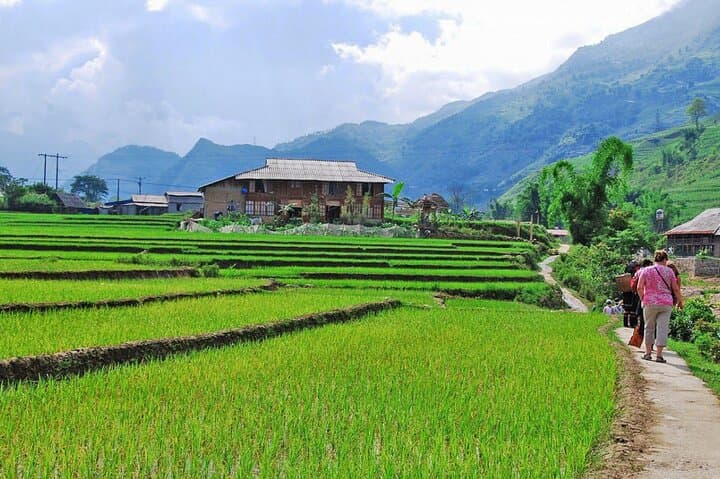
The sleeping bus slides into the thin mountain light and you step out into air that bites and breathes at once — cool, floral, and edged with damp earth. Rice terraces unfurl below wooden houses; a stream in Muong Hoa valley dares you to follow it uphill. This two-day loop centers on Cat Cat’s waterfall and the villages of Lao Chai and Ta Van, with an overnight at a 4-star hotel in Sapa town to reset and warm up.
Verified experiences and guided adventures in the surrounding area.
Operated by Before2 · Sapa, Lao Cai
The sleeping bus slides into the thin mountain light and you step out into air that bites and breathes at once — cool, floral, and edged with damp earth. Rice terraces unfurl below wooden houses; a stream in Muong Hoa valley dares you to follow it uphill. This two-day loop centers on Cat Cat’s waterfall and the villages of Lao Chai and Ta Van, with an overnight at a 4-star hotel in Sapa town to reset and warm up.
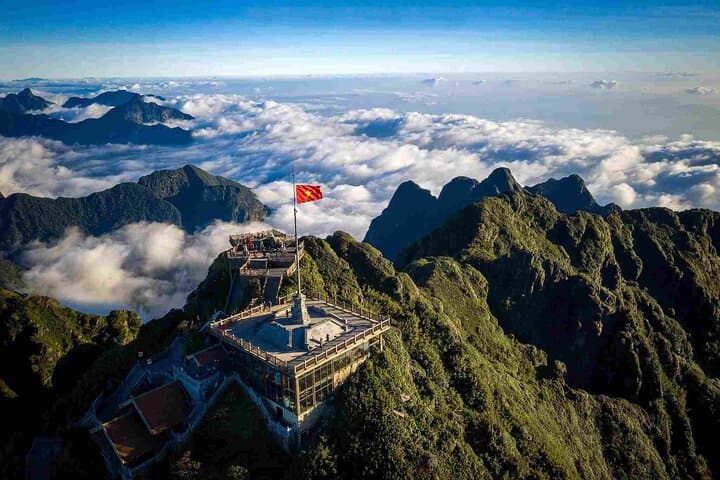
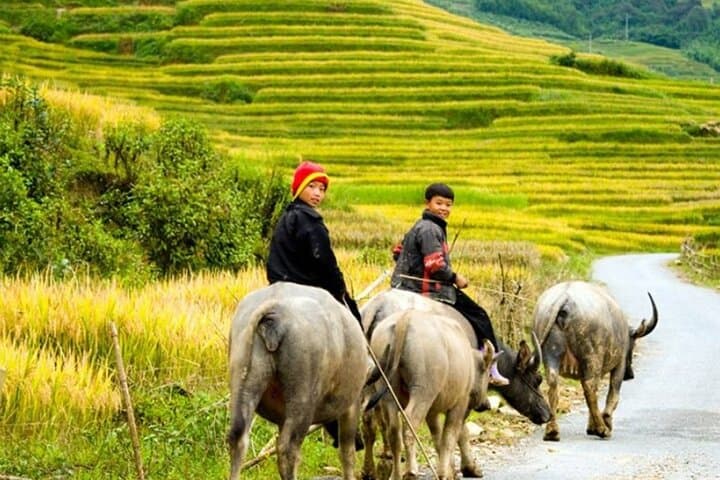
Hoang Lien Son’s folded slopes are the product of tectonic uplift and relentless monsoon erosion, which the local H’mong, Red Dao and Tay people have reshaped into stone-walled rice benches over generations. Cat Cat waterfall and the small French-era hydroelectric plant are tangible traces of colonial infrastructure alongside active village life: hemp drying, embroidered clothing, and daily water buffalo crossings.
Expect walking distances of roughly 3–5 km on day one (Cat Cat exploration) and 8–12 km on day two along Muong Hoa valley, with net elevation changes commonly under 400 m but frequent short descents and ascents on stone and dirt paths. Trails range from compacted dirt and stair-like stone to muddy ruts in wet months; some sections include narrow singletrack and bamboo bridges.
Practical notes: the Hanoi–Sapa sleeping bus is about 5–6 hours; Sapa sits near 1,500–1,600 m elevation, so layers are essential. Start early to catch clear views; bring cash for village purchases and modest tips for local guides. Respect private homes and ask before photographing people. With steady shoes and an easy pace, this itinerary balances cultural insight and accessible alpine scenery.
moderate.
2 days.
Suitable for travelers with basic fitness able to hike 8–12 km over uneven terrain and short uphill sections.
The sleeping bus takes about 5–6 hours depending on traffic and chosen pickup; expect an early morning or late-night arrival/departure.
Sapa sits around 1,500–1,600 m; most travelers acclimatize quickly, but those sensitive to altitude should move slowly and stay hydrated.
Local English-speaking guides accompany the trek and facilitate village visits, cultural interpretation, and basic translation.
The tour is labeled suitable for most fitness levels but involves uneven terrain and up to 10–12 km walking; basic endurance and mobility are recommended.
Cat Cat waterfall area includes a small French-built hydroelectric facility from the early 20th century; terraces reflect centuries of local agricultural engineering.
Trails in Muong Hoa are vulnerable to erosion and overcrowding; stick to established paths, avoid single-use plastics, and support community-run crafts and homestays.
Before2 operates guided outdoor trips and adventures with an emphasis on safety, stewardship, and memorable experiences.

The sleeping bus slides into the thin mountain light and you step out into air that bites and breathes at once — cool, floral, and edged with damp earth. Rice terraces unfurl below wooden houses; a stream in Muong Hoa valley dares you to follow it uphill. This two-day loop centers on Cat Cat’s waterfall and the villages of Lao Chai and Ta Van, with an overnight at a 4-star hotel in Sapa town to reset and warm up.
The sleeping bus slides into the thin mountain light and you step out into air that bites and breathes at once — cool, floral, and edged with damp earth. Rice terraces unfurl below wooden houses; a stream in Muong Hoa valley dares you to follow it uphill. This two-day loop centers on Cat Cat’s waterfall and the villages of Lao Chai and Ta Van, with an overnight at a 4-star hotel in Sapa town to reset and warm up.
Hoang Lien Son’s folded slopes are the product of tectonic uplift and relentless monsoon erosion, which the local H’mong, Red Dao and Tay people have reshaped into stone-walled rice benches over generations. Cat Cat waterfall and the small French-era hydroelectric plant are tangible traces of colonial infrastructure alongside active village life: hemp drying, embroidered clothing, and daily water buffalo crossings.
Expect walking distances of roughly 3–5 km on day one (Cat Cat exploration) and 8–12 km on day two along Muong Hoa valley, with net elevation changes commonly under 400 m but frequent short descents and ascents on stone and dirt paths. Trails range from compacted dirt and stair-like stone to muddy ruts in wet months; some sections include narrow singletrack and bamboo bridges.
Practical notes: the Hanoi–Sapa sleeping bus is about 5–6 hours; Sapa sits near 1,500–1,600 m elevation, so layers are essential. Start early to catch clear views; bring cash for village purchases and modest tips for local guides. Respect private homes and ask before photographing people. With steady shoes and an easy pace, this itinerary balances cultural insight and accessible alpine scenery.