THE ADVENTURE COLLECTIVE® · Independent discovery and booking for outdoor travel

A compact two-day trek from Sapa combines short village walks and a full-day hike through Muong Hoa valley. Expect terraces, waterfalls, and guided encounters with H’mong and Dzao village life.
A compact two-day trek from Sapa combines short village walks and a full-day hike through Muong Hoa valley. Expect terraces, waterfalls, and guided encounters with H’mong and Dzao village life.
The bus coughs out the highway and the mountains take over: cool air, rice terraces folding down the slopes, and the town of Sapa sitting on a ridge at roughly 1,600 m. On this two-day loop you step into carved terraces and narrow village lanes, where water channels hum and a stream dares you to follow it deeper into the valley.
Verified experiences and guided adventures in the surrounding area.
Operated by Iztrip · Sapa, Lao Cai
The bus coughs out the highway and the mountains take over: cool air, rice terraces folding down the slopes, and the town of Sapa sitting on a ridge at roughly 1,600 m. On this two-day loop you step into carved terraces and narrow village lanes, where water channels hum and a stream dares you to follow it deeper into the valley.
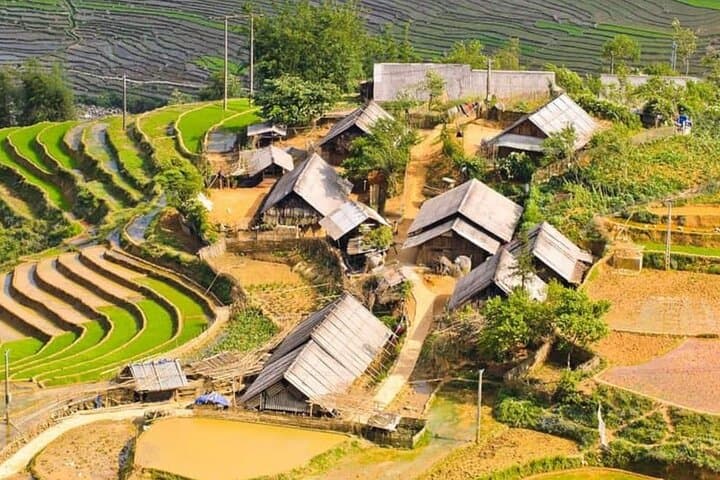
Sapa sits on the Hoàng Liên Sơn range below Fansipan (3,143 m), a landscape shaped by uplifted limestone and terraced agriculture introduced and refined by local ethnic groups over centuries. The area’s French-colonial traces—an early 20th-century hydroelectric site at Cat Cat—meet the living culture of the H’mong, Dzao and Tay communities, whose traditional dress and handicrafts mark every village.
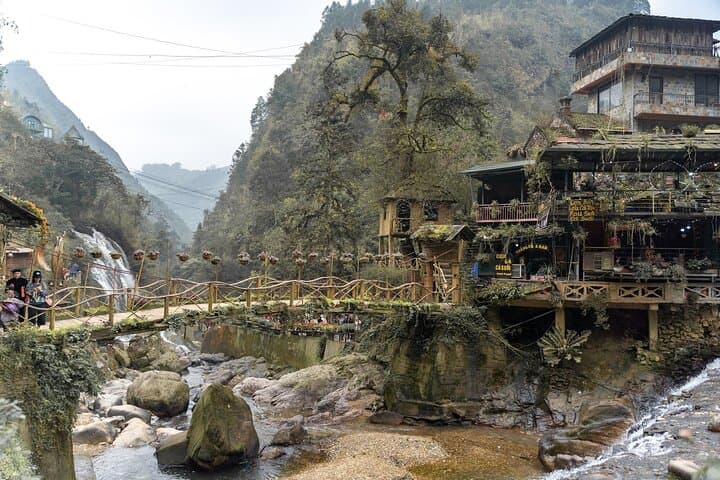
Expect dirt tracks, stone steps and muddy stretches after rain. Day 1 typically includes a short walk to Cat Cat Village and the juncture of a waterfall and an old turbine house; distance is modest (2–4 km) but involves steep stone staircases. Day 2 is the main trek: 8–12 km through Muong Hoa valley—rice terraces, bamboo groves and small streams—with cumulative elevation changes of a few hundred metres as you pass Y Linh Ho, Lao Chai and Ta Van.
Practical edge: start early to avoid midday fog and to catch clearer mountain views, carry 2–3 liters of water, and wear grippy trail shoes for slick stone steps. If you’re sensitive to altitude, move slowly the first morning; the guide usually handles logistics, transport and village introductions. Overnighting in a 4-star hotel in Sapa town gives a warm bed and hot water—useful after a damp trekking day.
moderate.
2 days.
Moderate fitness: able to hike 8–12 km with repeated short climbs and uneven terrain; comfortable walking several hours in a day.
Day two typically covers 8–12 km through Muong Hoa valley with several short ascents and descents; allow 4–6 hours depending on pace and stops.
The itinerary includes one night at a 4-star hotel in Sapa town; the second night in Hanoi is not included as the bus returns the same evening.
Yes—this tour is rated suitable for most fitness levels; trails are well-traveled and guides set a comfortable pace, but participants should be able to walk several hours on uneven ground.
The tour uses a sleeping or VIP cabin bus that takes about 5–6 hours each way; buses run overnight or very early morning depending on the schedule.
Sapa was developed as a hill station during French colonial rule; remnants like the Cat Cat hydroelectric structure date to early 20th-century projects and contact between local groups and colonial engineers.
Terrace agriculture and tourism create both income and pressure; travelers are encouraged to stick to paths, avoid single-use plastics, and support community-based homestays and craft sellers.
Iztrip operates guided outdoor trips and adventures with an emphasis on safety, stewardship, and memorable experiences.
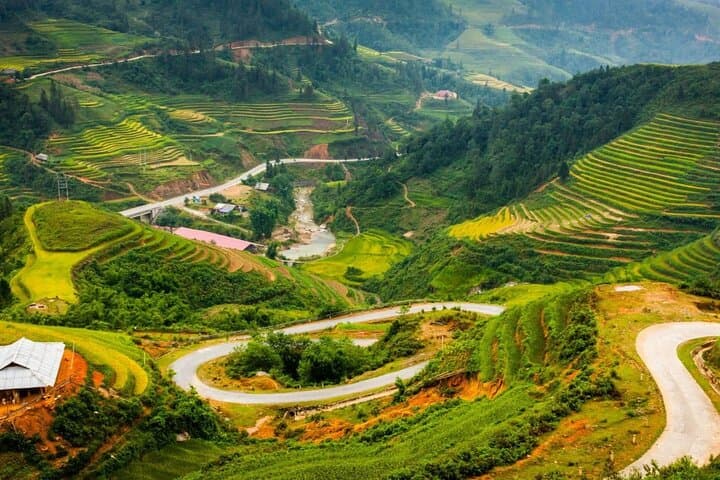
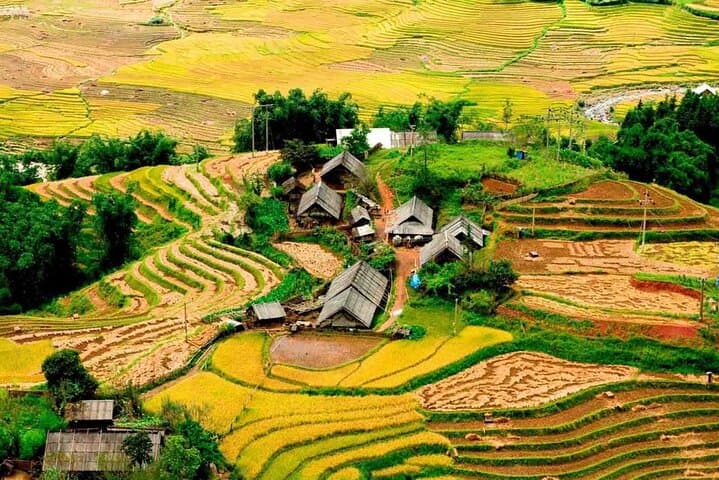
The bus coughs out the highway and the mountains take over: cool air, rice terraces folding down the slopes, and the town of Sapa sitting on a ridge at roughly 1,600 m. On this two-day loop you step into carved terraces and narrow village lanes, where water channels hum and a stream dares you to follow it deeper into the valley.
The bus coughs out the highway and the mountains take over: cool air, rice terraces folding down the slopes, and the town of Sapa sitting on a ridge at roughly 1,600 m. On this two-day loop you step into carved terraces and narrow village lanes, where water channels hum and a stream dares you to follow it deeper into the valley.
Sapa sits on the Hoàng Liên Sơn range below Fansipan (3,143 m), a landscape shaped by uplifted limestone and terraced agriculture introduced and refined by local ethnic groups over centuries. The area’s French-colonial traces—an early 20th-century hydroelectric site at Cat Cat—meet the living culture of the H’mong, Dzao and Tay communities, whose traditional dress and handicrafts mark every village.
Expect dirt tracks, stone steps and muddy stretches after rain. Day 1 typically includes a short walk to Cat Cat Village and the juncture of a waterfall and an old turbine house; distance is modest (2–4 km) but involves steep stone staircases. Day 2 is the main trek: 8–12 km through Muong Hoa valley—rice terraces, bamboo groves and small streams—with cumulative elevation changes of a few hundred metres as you pass Y Linh Ho, Lao Chai and Ta Van.
Practical edge: start early to avoid midday fog and to catch clearer mountain views, carry 2–3 liters of water, and wear grippy trail shoes for slick stone steps. If you’re sensitive to altitude, move slowly the first morning; the guide usually handles logistics, transport and village introductions. Overnighting in a 4-star hotel in Sapa town gives a warm bed and hot water—useful after a damp trekking day.