THE ADVENTURE COLLECTIVE® · Independent discovery and booking for outdoor travel

Two days of managed trekking from Sapa town into Muong Hoa Valley—visit Cat Cat, Y Linh Ho, Lao Chai and Ta Van with a comfortable hotel overnight. Expect terraced rice fields, village life, and easy-to-moderate trails suited to travelers with basic hiking fitness.
Two days of managed trekking from Sapa town into Muong Hoa Valley—visit Cat Cat, Y Linh Ho, Lao Chai and Ta Van with a comfortable hotel overnight. Expect terraced rice fields, village life, and easy-to-moderate trails suited to travelers with basic hiking fitness.
You start before dawn on the highway from Hanoi, cabin-bus lights carving a ribbon through rice paddies until the Hoang Lien Son mountains loom like a folded spine against the sky.
Verified experiences and guided adventures in the surrounding area.
Operated by Authentic SAPA · Sapa, Lao Cai
You start before dawn on the highway from Hanoi, cabin-bus lights carving a ribbon through rice paddies until the Hoang Lien Son mountains loom like a folded spine against the sky.
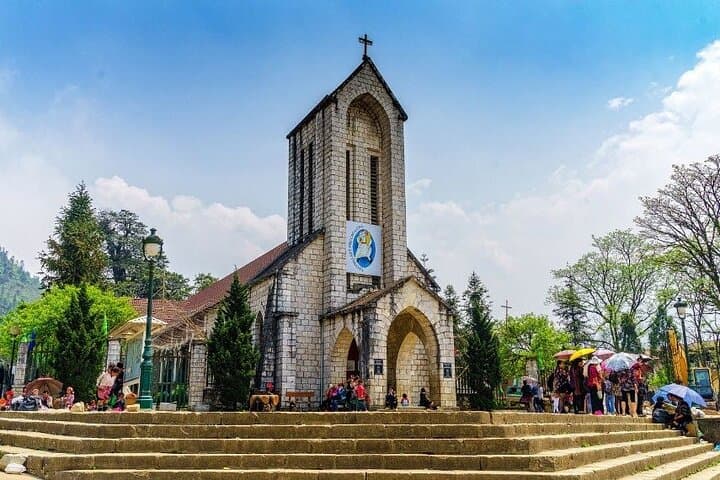
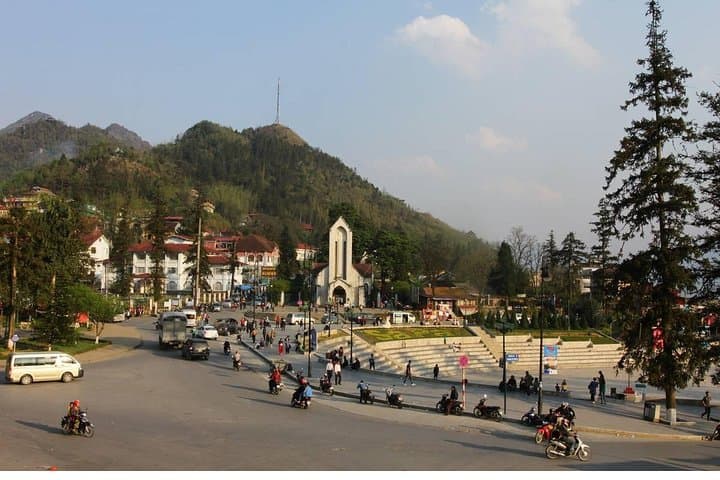
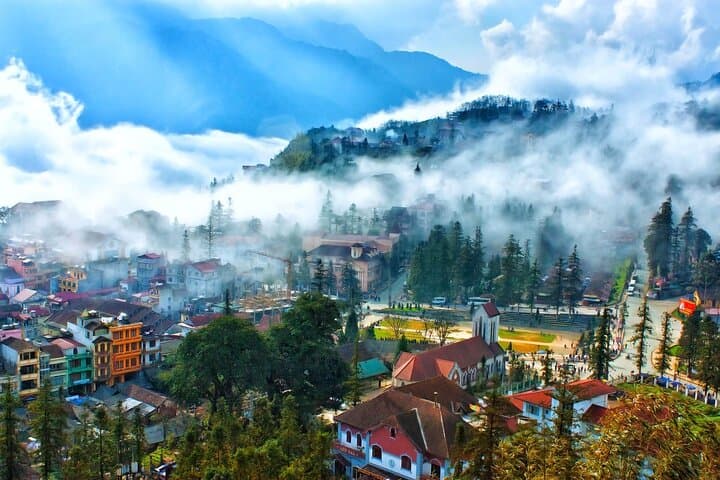
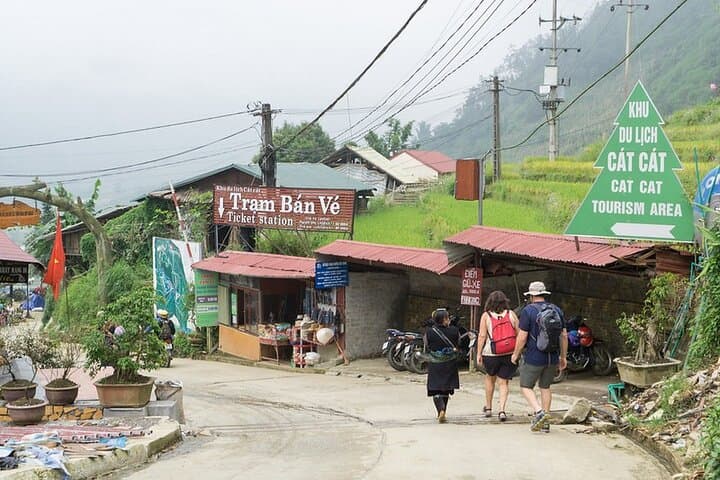
Arriving in Sapa, the air cools; you step out into terraced hills and a town where the Black H’mong and Dzay communities still weave cloth and raise buffalo. Day one’s gentle descent to Cat Cat takes you past a French-built hydroelectric ruin and a waterfall that insists you pause. Day two opens into Muong Hoa Valley—Y Linh Ho, Lao Chai and Ta Van—where trails thread between sweeping rice terraces and stilt houses, and every bend offers a new angle on local life.
Geologically, these slopes are old metamorphic rock shaped by monsoon-fed erosion; culturally, they’re shaped by centuries of upland agriculture and minority traditions. The villages are living workshops—hand-stitched textiles, terraced irrigation, and ancestral houses—so expect both scenery and sociocultural exchange.
Practical guidance: the trek is not technical but uneven and sometimes steep; waterproof footwear and a light rain shell are essential. Plan for brisk mornings and sunlit afternoons, carry water and snacks, and move at a pace that respects altitude and local people’s space. Hotels in Sapa vary from comfortable three-stars to boutique options—use the overnight as recovery. If you’re pressed for time, book the cabin bus roundtrip from Hanoi; otherwise consider an extra day for higher-elevation viewpoints or a homestay to deepen the cultural experience.
moderate.
2 days (total trekking 4–6 hours).
Suitable for travelers with moderate fitness who can handle uneven trails and sustained walking over half-day sections.
The routes are non-technical but uneven; beginners with moderate fitness can complete the walks if they take breaks and wear appropriate shoes.
Sapa sits around 1,500 m—most visitors adapt quickly, but hydrate, avoid overexertion on arrival, and mention any symptoms to the guide.
Carry some Vietnamese đồng for village purchases; hotels and larger restaurants may accept cards but remote vendors usually do not.
Yes—this tour includes round-trip bus transfer from Hanoi, two lunches, dinner, breakfast, and a hotel overnight as listed in the itinerary.
Sapa’s upland villages evolved under French colonial surveying and long-standing hill-tribe agricultural systems; the area’s hydroelectric relics recall early 20th-century infrastructure projects.
Terraced agriculture requires ongoing maintenance; stick to trails, avoid littering, and consider buying local crafts to support community economies.
Authentic SAPA operates guided outdoor trips and adventures with an emphasis on safety, stewardship, and memorable experiences.
You start before dawn on the highway from Hanoi, cabin-bus lights carving a ribbon through rice paddies until the Hoang Lien Son mountains loom like a folded spine against the sky.
You start before dawn on the highway from Hanoi, cabin-bus lights carving a ribbon through rice paddies until the Hoang Lien Son mountains loom like a folded spine against the sky.
Arriving in Sapa, the air cools; you step out into terraced hills and a town where the Black H’mong and Dzay communities still weave cloth and raise buffalo. Day one’s gentle descent to Cat Cat takes you past a French-built hydroelectric ruin and a waterfall that insists you pause. Day two opens into Muong Hoa Valley—Y Linh Ho, Lao Chai and Ta Van—where trails thread between sweeping rice terraces and stilt houses, and every bend offers a new angle on local life.
Geologically, these slopes are old metamorphic rock shaped by monsoon-fed erosion; culturally, they’re shaped by centuries of upland agriculture and minority traditions. The villages are living workshops—hand-stitched textiles, terraced irrigation, and ancestral houses—so expect both scenery and sociocultural exchange.
Practical guidance: the trek is not technical but uneven and sometimes steep; waterproof footwear and a light rain shell are essential. Plan for brisk mornings and sunlit afternoons, carry water and snacks, and move at a pace that respects altitude and local people’s space. Hotels in Sapa vary from comfortable three-stars to boutique options—use the overnight as recovery. If you’re pressed for time, book the cabin bus roundtrip from Hanoi; otherwise consider an extra day for higher-elevation viewpoints or a homestay to deepen the cultural experience.