THE ADVENTURE COLLECTIVE® · Independent discovery and booking for outdoor travel

Two days of mountain trails, ethnic villages and terraced rice in the Hoang Lien Range — a compact Sapa trek from Hanoi with one hotel night. Hike Cat Cat, Lao Chai and Ta Van while local guides link culture and landscape.
Two days of mountain trails, ethnic villages and terraced rice in the Hoang Lien Range — a compact Sapa trek from Hanoi with one hotel night. Hike Cat Cat, Lao Chai and Ta Van while local guides link culture and landscape.
A damp morning in Hanoi gives way to highland air as the bus climbs toward Sapa, the road carving through limestone ridges and rice terraces until the town opens like a map folded flat. Travelers step out into cool, thin air and the mountains that dare you to look farther; laundry lines and intricately patterned garments flash color against rust-orange roofs.
Verified experiences and guided adventures in the surrounding area.
Operated by Authentic SAPA · Sapa, Lao Cai
A damp morning in Hanoi gives way to highland air as the bus climbs toward Sapa, the road carving through limestone ridges and rice terraces until the town opens like a map folded flat. Travelers step out into cool, thin air and the mountains that dare you to look farther; laundry lines and intricately patterned garments flash color against rust-orange roofs.
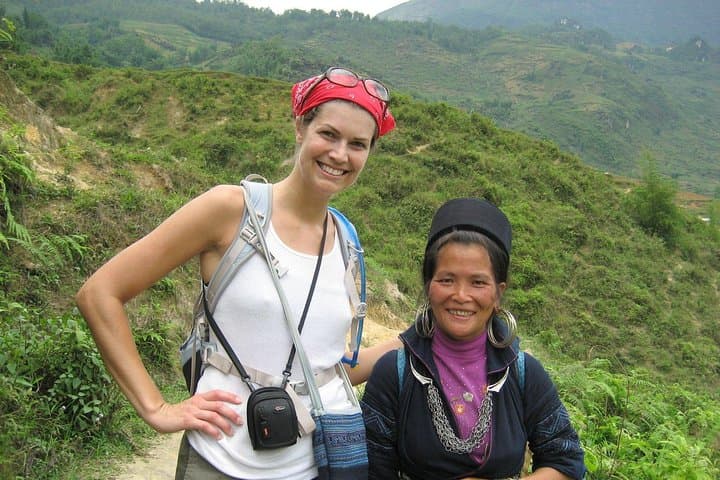
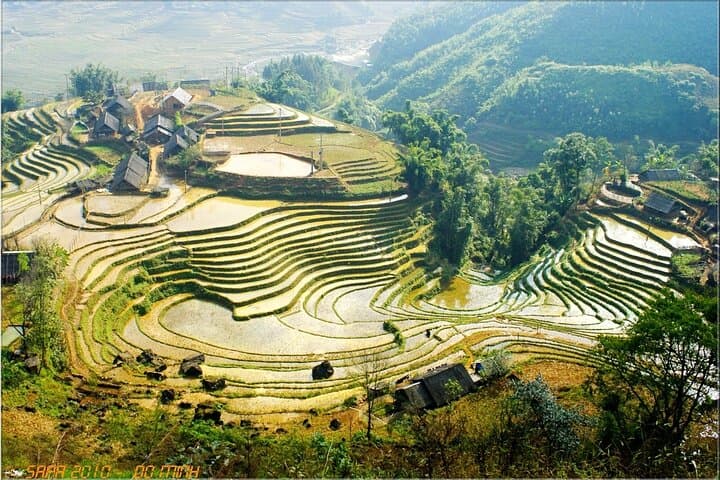
The route follows Muong Hoa Valley, a landscape shaped by glacial action and centuries of terrace-building by H’Mong and Tay communities. Cat Cat and Lao Chai villages offer living windows into ethnic craft — indigo dyes, hand-stitched embroidery and stilt houses that reflect a mixed Sino-Tibetan culture. Geologically, the Hoang Lien Range is young and steep, with Fansipan looming as Indochina’s roof nearby.
The trek is mostly downhill and rolling trails through paddy edges, forested gullies and alongside streams, punctuated by a waterfall at Cat Cat and panoramic terrace viewpoints above Y Linh Ho. Local guides translate not just language but seasonal rhythms: planting, harvest, and market days.
Practical guidance: pack a waterproof layer and sturdy footwear for slick stone and mud; bring cash for small purchases in villages; schedule early starts to catch valley light and avoid afternoon showers. Expect moderate hiking with short, sometimes steep sections and periods of walking on village paths.
Accommodation is a one-night superior hotel in Sapa Town; transport is a round-trip bus from Hanoi. Respect household privacy, leave no trace, and allow extra time for photography and brief visits to homestays — the real value is in the people and the slow movement through this mountain landscape.
moderate.
2 days (approx. 8–10 hours hiking total).
Moderate fitness; able to handle uneven trails, short steep descents and a full day of walking.
Expect about 5.5–6.5 hours each way by comfortable bus, with a short rest stop en route.
Yes; visits are guided, but follow local rules, ask permission before photographing people, and avoid entering private spaces without invitation.
No technical experience required—trail walking on uneven surfaces is the main demand; a moderate fitness level is recommended.
Sapa sits around 1,500 meters; most visitors acclimatize quickly, but stay hydrated and avoid strenuous exertion if you feel unwell.
Sapa grew as a French hill station in the early 20th century and has long been home to H’Mong, Dao and Tay communities whose terrace agriculture shapes the valley.
Heavy foot traffic and terrace erosion are local concerns; stick to trails, avoid disturbing irrigation channels and support homestays and craft sellers directly.
Authentic SAPA operates guided outdoor trips and adventures with an emphasis on safety, stewardship, and memorable experiences.


A damp morning in Hanoi gives way to highland air as the bus climbs toward Sapa, the road carving through limestone ridges and rice terraces until the town opens like a map folded flat. Travelers step out into cool, thin air and the mountains that dare you to look farther; laundry lines and intricately patterned garments flash color against rust-orange roofs.
A damp morning in Hanoi gives way to highland air as the bus climbs toward Sapa, the road carving through limestone ridges and rice terraces until the town opens like a map folded flat. Travelers step out into cool, thin air and the mountains that dare you to look farther; laundry lines and intricately patterned garments flash color against rust-orange roofs.
The route follows Muong Hoa Valley, a landscape shaped by glacial action and centuries of terrace-building by H’Mong and Tay communities. Cat Cat and Lao Chai villages offer living windows into ethnic craft — indigo dyes, hand-stitched embroidery and stilt houses that reflect a mixed Sino-Tibetan culture. Geologically, the Hoang Lien Range is young and steep, with Fansipan looming as Indochina’s roof nearby.
The trek is mostly downhill and rolling trails through paddy edges, forested gullies and alongside streams, punctuated by a waterfall at Cat Cat and panoramic terrace viewpoints above Y Linh Ho. Local guides translate not just language but seasonal rhythms: planting, harvest, and market days.
Practical guidance: pack a waterproof layer and sturdy footwear for slick stone and mud; bring cash for small purchases in villages; schedule early starts to catch valley light and avoid afternoon showers. Expect moderate hiking with short, sometimes steep sections and periods of walking on village paths.
Accommodation is a one-night superior hotel in Sapa Town; transport is a round-trip bus from Hanoi. Respect household privacy, leave no trace, and allow extra time for photography and brief visits to homestays — the real value is in the people and the slow movement through this mountain landscape.