THE ADVENTURE COLLECTIVE® · Independent discovery and booking for outdoor travel

Walk from Sapa through rice terraces to Ta Van Village, sleep in a private bungalow, cook with a local family and learn traditional H’mong indigo dyeing. This two-day trek mixes steady mountain hiking with cultural immersion and hands-on craft workshops.
Walk from Sapa through rice terraces to Ta Van Village, sleep in a private bungalow, cook with a local family and learn traditional H’mong indigo dyeing. This two-day trek mixes steady mountain hiking with cultural immersion and hands-on craft workshops.
A morning mist peels off the Muong Hoa valley as walkers leave Sapa town and drop into terraces that angle like staircases cut into the mountain. The trail threads villages — Y Linh Ho, Lao Chai and Ta Van — where children wave and water channels sing alongside the path. By late afternoon you arrive at a private bungalow in Ta Van Village; bamboo smoke and the rhythm of animal calls replace town traffic.
Verified experiences and guided adventures in the surrounding area.
Operated by SAIGONESE TREKKING HOUSE · Sapa, Lao Cai
A morning mist peels off the Muong Hoa valley as walkers leave Sapa town and drop into terraces that angle like staircases cut into the mountain. The trail threads villages — Y Linh Ho, Lao Chai and Ta Van — where children wave and water channels sing alongside the path. By late afternoon you arrive at a private bungalow in Ta Van Village; bamboo smoke and the rhythm of animal calls replace town traffic.
This landscape owes its lines to river-carved valleys and centuries of rice cultivation by the local H’mong and Giay communities. Stone walls and narrow paths trace old trade routes; the indigo dyeing practiced here is a cultural craft passed through generations, while the steep slopes reflect the geology of the Hoang Lien Range — metamorphic bedrock split by monsoon erosion.
The experience balances steady hiking with hands-on culture: pick vegetables in a family garden, shop at the village market, and cook a communal dinner before learning plant-based indigo techniques. On Day 2 the route continues through Giang Ta Chai and a bamboo forest, finishing where a transfer returns you to Sapa.
Practical notes: plan for uneven, sometimes slippery trails and daily climbs of several hundred metres; good boots and layered rain protection are essential. Start early to avoid afternoon showers, carry 1–2 liters of water, and bring cash for market purchases. Respect private homes, remove shoes where asked, and pack out non-biodegradable waste. This two-day combination of trekking and homestay offers both active terrain and authentic cultural exchange — a concise, hands-on way to experience northern Vietnam’s highland life.
moderate.
2 days (6–8 hours trekking total).
Moderate fitness — comfortable with uphill walking and uneven terrain; some sections include steady elevation changes of a few hundred metres.
The trek is moderate: paths are well-established but uneven. Beginners who can handle sustained uphill walking for several hours will be fine with regular breaks.
The program includes a private bungalow room at the local homestay, with shared common areas and meals with the host family.
Breakfast, lunch and dinner with the host family are included; notify dietary needs in advance so hosts can adjust menus where possible.
Bring Vietnamese dong for market purchases, snacks and small tips; remote villages may not accept cards.
The Muong Hoa valley has long been settled by H’mong and Giay communities who terraced the hills for rice cultivation and developed distinctive textile dyeing techniques.
Stick to marked trails, avoid leaving waste in villages and support homestays that use local food—low-impact tourism helps preserve both culture and mountain ecosystems.
SAIGONESE TREKKING HOUSE operates guided outdoor trips and adventures with an emphasis on safety, stewardship, and memorable experiences.
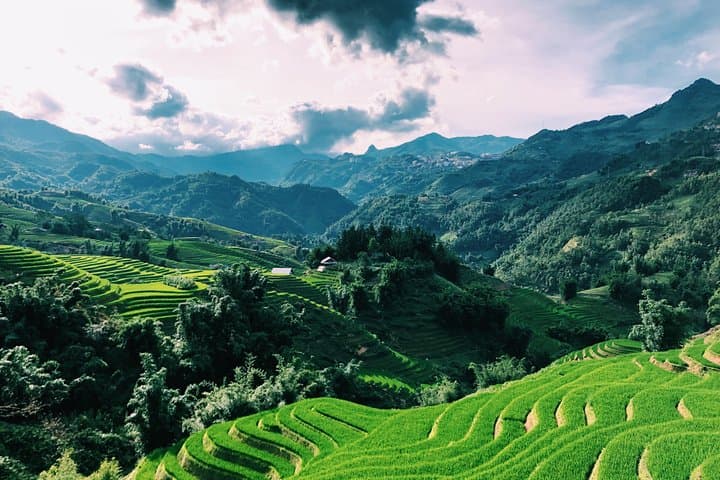
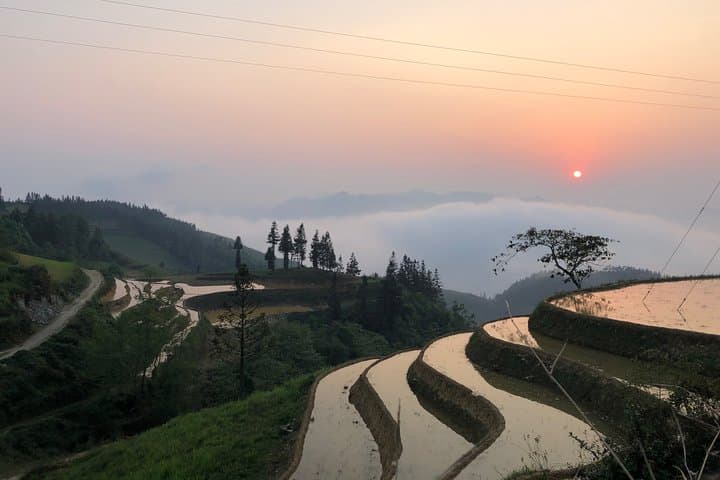
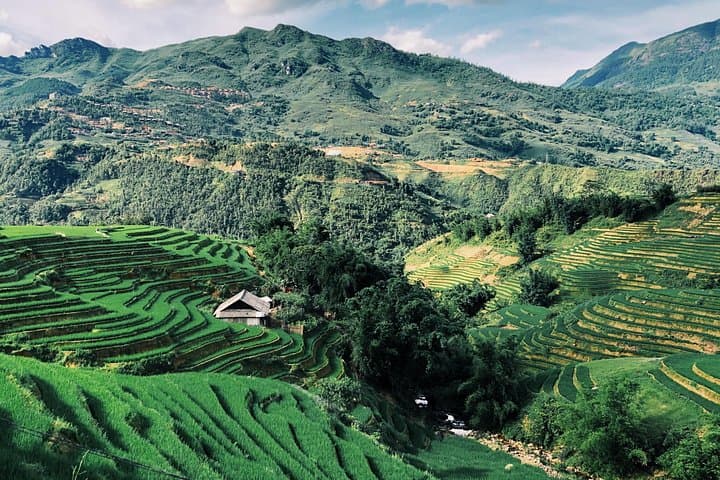
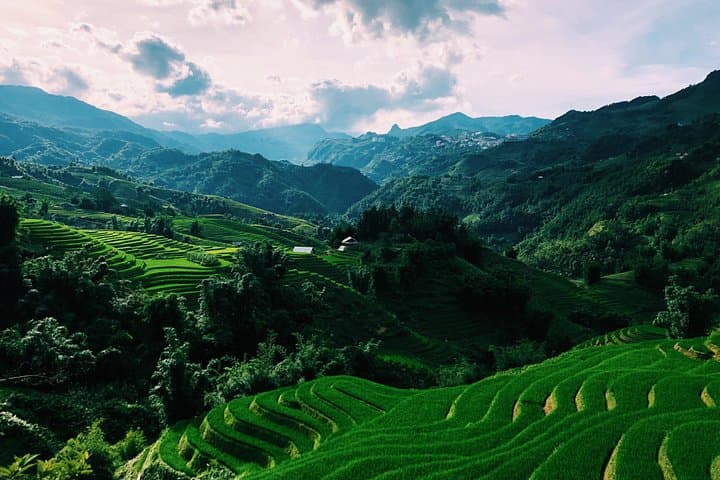
A morning mist peels off the Muong Hoa valley as walkers leave Sapa town and drop into terraces that angle like staircases cut into the mountain. The trail threads villages — Y Linh Ho, Lao Chai and Ta Van — where children wave and water channels sing alongside the path. By late afternoon you arrive at a private bungalow in Ta Van Village; bamboo smoke and the rhythm of animal calls replace town traffic.
A morning mist peels off the Muong Hoa valley as walkers leave Sapa town and drop into terraces that angle like staircases cut into the mountain. The trail threads villages — Y Linh Ho, Lao Chai and Ta Van — where children wave and water channels sing alongside the path. By late afternoon you arrive at a private bungalow in Ta Van Village; bamboo smoke and the rhythm of animal calls replace town traffic.
This landscape owes its lines to river-carved valleys and centuries of rice cultivation by the local H’mong and Giay communities. Stone walls and narrow paths trace old trade routes; the indigo dyeing practiced here is a cultural craft passed through generations, while the steep slopes reflect the geology of the Hoang Lien Range — metamorphic bedrock split by monsoon erosion.
The experience balances steady hiking with hands-on culture: pick vegetables in a family garden, shop at the village market, and cook a communal dinner before learning plant-based indigo techniques. On Day 2 the route continues through Giang Ta Chai and a bamboo forest, finishing where a transfer returns you to Sapa.
Practical notes: plan for uneven, sometimes slippery trails and daily climbs of several hundred metres; good boots and layered rain protection are essential. Start early to avoid afternoon showers, carry 1–2 liters of water, and bring cash for market purchases. Respect private homes, remove shoes where asked, and pack out non-biodegradable waste. This two-day combination of trekking and homestay offers both active terrain and authentic cultural exchange — a concise, hands-on way to experience northern Vietnam’s highland life.