THE ADVENTURE COLLECTIVE® · Independent discovery and booking for outdoor travel

A private 2‑day trek from Sapa that combines ridge-line walks, village visits with Black Hmong and Red Dao families, and an overnight homestay among the rice terraces. Expect steep short climbs, muddy tracks, and immersive cultural exchanges.
A private 2‑day trek from Sapa that combines ridge-line walks, village visits with Black Hmong and Red Dao families, and an overnight homestay among the rice terraces. Expect steep short climbs, muddy tracks, and immersive cultural exchanges.
Fog slides through the Muong Hoa valley as the guide tightens a pack strap and the trail draws you uphill toward a raw view of Fansipan’s ragged line.
Verified experiences and guided adventures in the surrounding area.
Operated by Authentic SAPA · Sapa, Lào Cai
Fog slides through the Muong Hoa valley as the guide tightens a pack strap and the trail draws you uphill toward a raw view of Fansipan’s ragged line.
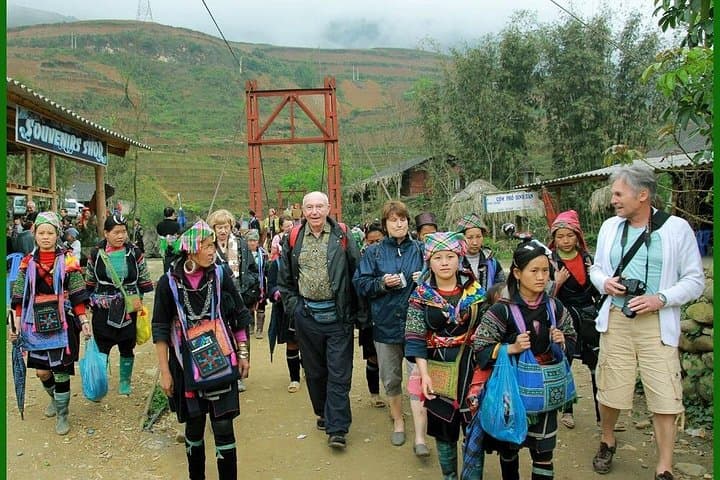
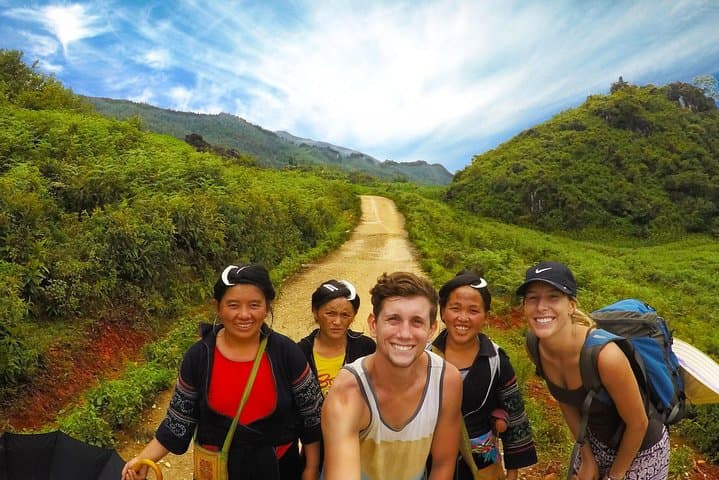
This private 2‑day trek from Sapa puts walkers on narrow mountain trails that thread through Black Hmong and Red Dao villages, rice terraces carved into slopes, and low cloud that often floods the valleys at dawn. The route climbs to ridgelines around 1,400–1,600 m and descends into hamlets where water buffalo graze and families tend small plots. Sapa’s landscape is young geology—folded limestone and shale with steep, eroded hills—shaped by monsoon rains and centuries of terraced agriculture. Culturally, the trek is a living encounter: traditional homes, herbal practices of the Red Dao, and indigo and embroidered textiles are part of daily life rather than staged performances.
Practical guidance: expect two days of sustained walking (day one roughly 15 km/5–6 hours; day two similar distance with steeper sections), uneven dirt tracks, and occasional muddy or rocky stretches. A local guide handles navigation and village introductions, and one night in a family homestay includes simple hot meals and basic bedding. Carry 2–3 liters of water, quick-dry layers for sudden rain, and cash for small purchases and tips. Start early to catch valley light and cooler temperatures; midday can be warm but wet. Respect local customs—ask before photographing—and leave no trace: trails are fragile and terraces take seasons to repair.
moderate.
2 days (approx. 10–12 hours walking total).
Suitable for reasonably fit travelers who can walk 4–6 hours with short steep sections; not technical but requires stamina.
Yes—routes are guided and paced for non-expert walkers, but participants should be comfortable with several hours of walking on uneven ground.
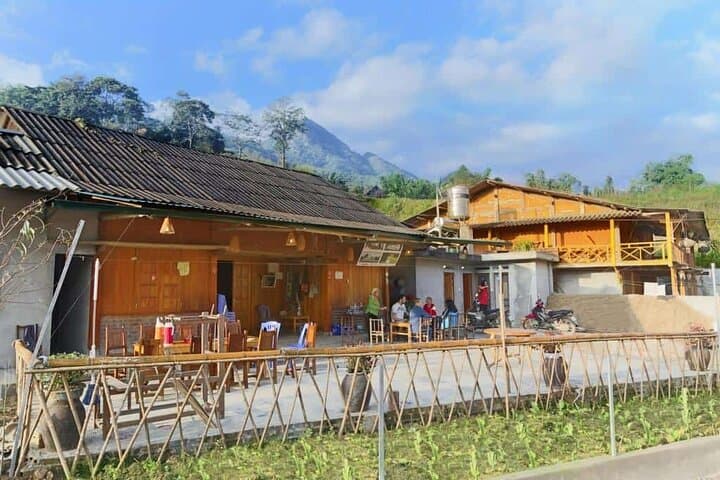
One-night accommodation with a local family, simple bedding, breakfast and dinner prepared by hosts, and an opportunity to learn about local customs.
Meals listed (breakfast, lunches, dinner) and village entry fees are included; confirm any special dietary needs in advance.
Altitude is moderate (up to ~1,500 m); stay hydrated, layer clothing, and follow your guide’s pace—storms can arrive quickly so carry waterproofs.
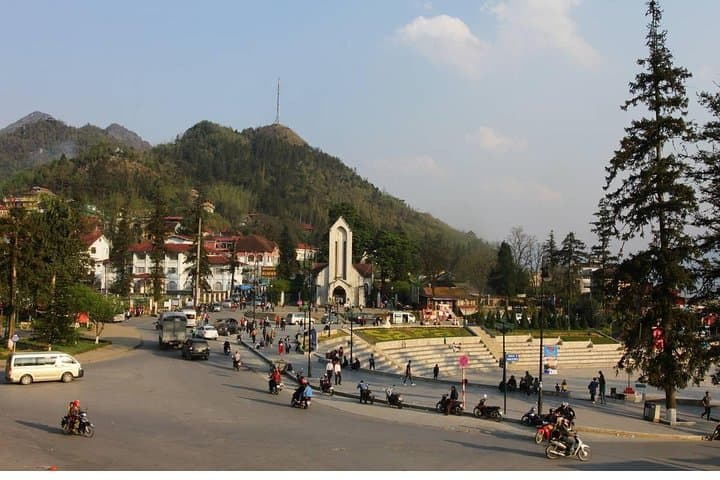
Sapa’s highland valleys were historically home to Hmong and Dao groups; the town grew under French hill-station influence in the early 20th century and rice terraces reflect generations of communal farming.
Terraced fields and village ecosystems are vulnerable to erosion and unregulated waste; stick to trails, avoid single-use plastics, and support local homestays to keep benefits in the community.
Authentic SAPA operates guided outdoor trips and adventures with an emphasis on safety, stewardship, and memorable experiences.
Fog slides through the Muong Hoa valley as the guide tightens a pack strap and the trail draws you uphill toward a raw view of Fansipan’s ragged line.
Fog slides through the Muong Hoa valley as the guide tightens a pack strap and the trail draws you uphill toward a raw view of Fansipan’s ragged line.
This private 2‑day trek from Sapa puts walkers on narrow mountain trails that thread through Black Hmong and Red Dao villages, rice terraces carved into slopes, and low cloud that often floods the valleys at dawn. The route climbs to ridgelines around 1,400–1,600 m and descends into hamlets where water buffalo graze and families tend small plots. Sapa’s landscape is young geology—folded limestone and shale with steep, eroded hills—shaped by monsoon rains and centuries of terraced agriculture. Culturally, the trek is a living encounter: traditional homes, herbal practices of the Red Dao, and indigo and embroidered textiles are part of daily life rather than staged performances.
Practical guidance: expect two days of sustained walking (day one roughly 15 km/5–6 hours; day two similar distance with steeper sections), uneven dirt tracks, and occasional muddy or rocky stretches. A local guide handles navigation and village introductions, and one night in a family homestay includes simple hot meals and basic bedding. Carry 2–3 liters of water, quick-dry layers for sudden rain, and cash for small purchases and tips. Start early to catch valley light and cooler temperatures; midday can be warm but wet. Respect local customs—ask before photographing—and leave no trace: trails are fragile and terraces take seasons to repair.