THE ADVENTURE COLLECTIVE® · Independent discovery and booking for outdoor travel

Ride the Fansipan cable car to Indochina’s rooftop, sleep in a local homestay and walk quiet village paths. This private 2-day Sapa tour pairs easy summit access with hands-on cultural exchange in terraced hills.
Ride the Fansipan cable car to Indochina’s rooftop, sleep in a local homestay and walk quiet village paths. This private 2-day Sapa tour pairs easy summit access with hands-on cultural exchange in terraced hills.
The cable car surges through cloud banks and then, with a soft mechanical sigh, deposits you where the air tastes thin and raw: Fansipan’s summit, more than 3,100 meters above sea level. Below, terraces unfurl like carved steps; above, the Hoang Lien Son range keeps watch. Back in town, narrow lanes lead past wooden stalls and Hmong houses where smoke and laughter mark dinner hour.
Verified experiences and guided adventures in the surrounding area.
Operated by LOCAL TOURS VIETNAM · Sapa, Lao Cai Province
The cable car surges through cloud banks and then, with a soft mechanical sigh, deposits you where the air tastes thin and raw: Fansipan’s summit, more than 3,100 meters above sea level. Below, terraces unfurl like carved steps; above, the Hoang Lien Son range keeps watch. Back in town, narrow lanes lead past wooden stalls and Hmong houses where smoke and laughter mark dinner hour.
This two-day private itinerary pairs modern access with traditional life. Fansipan—called the roof of Indochina—rises from limestone and metamorphic bedrock shaped by tectonic uplift; the Hoang Lien Son range channels monsoon weather, which feeds the rice terraces that define Sapa’s agricultural rhythm. The region’s cultural story is woven by Hmong, Dao and Tay communities; Sapa’s development as a hill station began under French colonial rule in the early 20th century, leaving a legacy of stone villas and early trekking routes.
Expect a mix of smooth cable-car ascent, short high-altitude walks, and gentle village trails like Cat Cat. Overnight options range from town hotels to family homestays where you may join field work and shared meals—respectful curiosity is appreciated. Practical notes: bring warm layers for summit winds, allow time to acclimatize even if most climbing is by cable car, carry small cash for village purchases, and plan for quick weather shifts.
This trip suits travelers who want an accessible peak experience without long technical hiking, combined with direct cultural exchange in working highland communities.
moderate.
2 days (overnight).
Suitable for travelers with basic fitness—able to walk 2–4 hours on uneven paths and manage short stair sections; no technical fitness required.
No—the cable car takes visitors close to the summit and many routes from the station are short walks; no mountaineering skills are needed for the standard visit.
Homestays usually offer shared family rooms or simple private rooms, home-cooked meals, and the chance to help with light farming tasks—bring respectful curiosity and small gifts if you wish.
This tour typically includes limousine or private transport; confirm pickup point and times when booking—overnight travel is common to maximize time in Sapa.
Most travelers are fine because ascent is mechanized; however, mild symptoms (headache, shortness of breath) can occur—rest, hydrate, and avoid alcohol before ascending.
Sapa grew as a French hill station in the early 1900s; local ethnic groups like the Hmong and Dao maintain distinct dress, festivals and rice-farming methods.
Increased visitation stresses trails and village resources—choose responsible guides, avoid single-use plastics, and follow paths to limit erosion.
LOCAL TOURS VIETNAM operates guided outdoor trips and adventures with an emphasis on safety, stewardship, and memorable experiences.
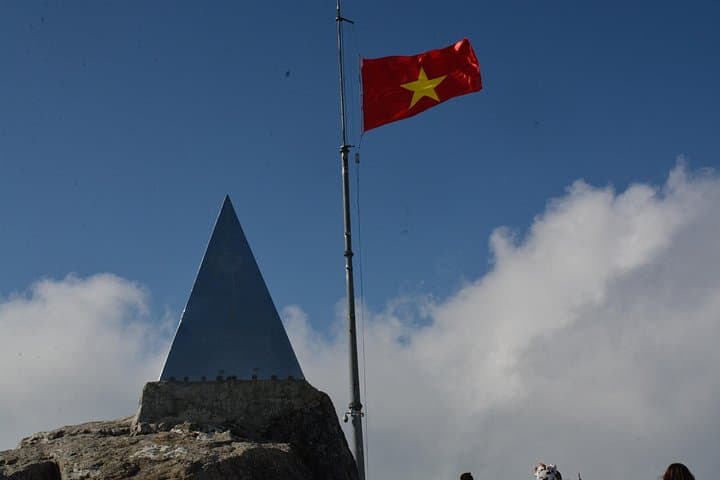
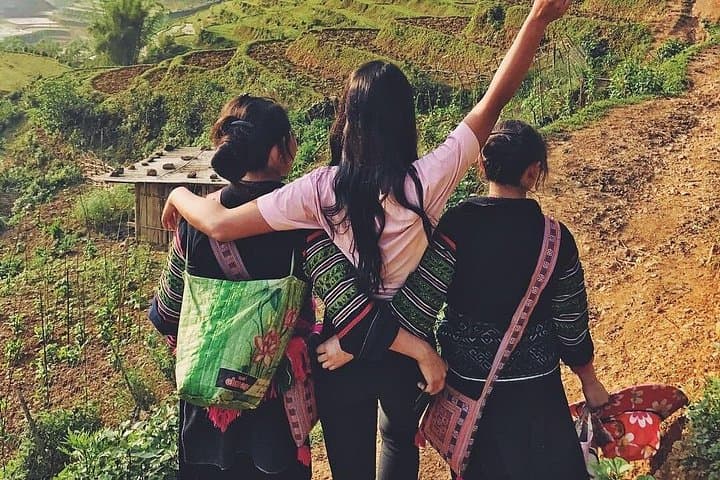
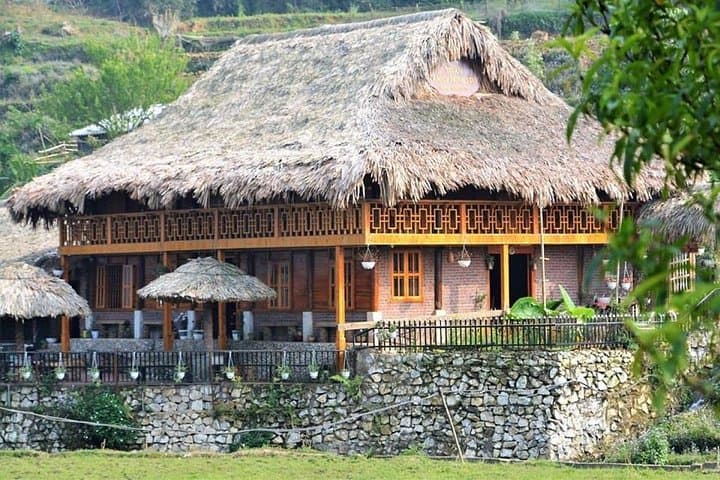
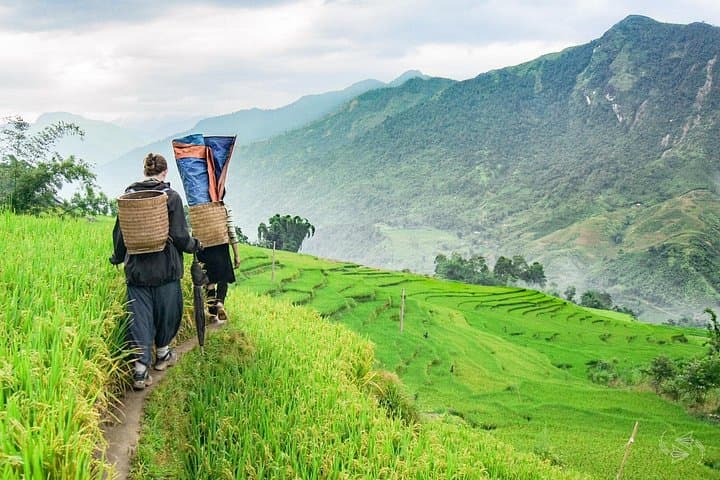
The cable car surges through cloud banks and then, with a soft mechanical sigh, deposits you where the air tastes thin and raw: Fansipan’s summit, more than 3,100 meters above sea level. Below, terraces unfurl like carved steps; above, the Hoang Lien Son range keeps watch. Back in town, narrow lanes lead past wooden stalls and Hmong houses where smoke and laughter mark dinner hour.
The cable car surges through cloud banks and then, with a soft mechanical sigh, deposits you where the air tastes thin and raw: Fansipan’s summit, more than 3,100 meters above sea level. Below, terraces unfurl like carved steps; above, the Hoang Lien Son range keeps watch. Back in town, narrow lanes lead past wooden stalls and Hmong houses where smoke and laughter mark dinner hour.
This two-day private itinerary pairs modern access with traditional life. Fansipan—called the roof of Indochina—rises from limestone and metamorphic bedrock shaped by tectonic uplift; the Hoang Lien Son range channels monsoon weather, which feeds the rice terraces that define Sapa’s agricultural rhythm. The region’s cultural story is woven by Hmong, Dao and Tay communities; Sapa’s development as a hill station began under French colonial rule in the early 20th century, leaving a legacy of stone villas and early trekking routes.
Expect a mix of smooth cable-car ascent, short high-altitude walks, and gentle village trails like Cat Cat. Overnight options range from town hotels to family homestays where you may join field work and shared meals—respectful curiosity is appreciated. Practical notes: bring warm layers for summit winds, allow time to acclimatize even if most climbing is by cable car, carry small cash for village purchases, and plan for quick weather shifts.
This trip suits travelers who want an accessible peak experience without long technical hiking, combined with direct cultural exchange in working highland communities.