THE ADVENTURE COLLECTIVE® · Independent discovery and booking for outdoor travel

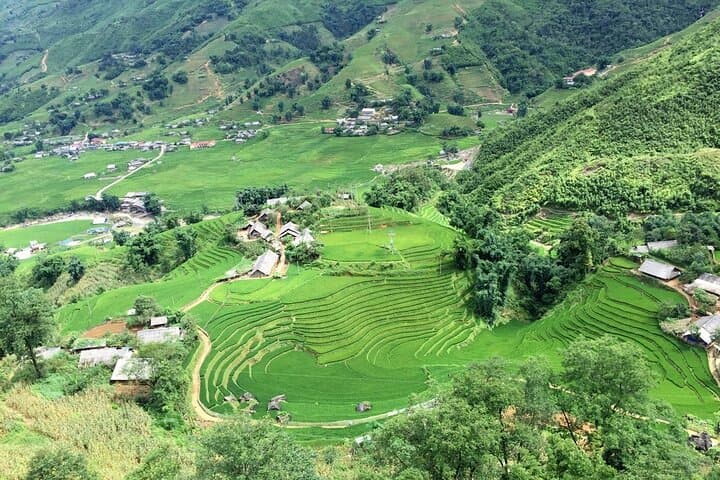
Descend into Muong Hoa Valley on a two-day trek from Sapa: terraced fields, bamboo forests, and an overnight homestay with local minority families. This practical route balances scenic walking with cultural encounters and manageable terrain for hikers of moderate fitness.
Descend into Muong Hoa Valley on a two-day trek from Sapa: terraced fields, bamboo forests, and an overnight homestay with local minority families. This practical route balances scenic walking with cultural encounters and manageable terrain for hikers of moderate fitness.
A low rumble of the sleeper bus fades as you step into thin, cool air—Sapa sits at roughly 1,500 m, the town’s roofs threaded by morning mist and color from H’Mong and Dao jackets.
Verified experiences and guided adventures in the surrounding area.
Operated by Authentic Travel Ho Chi Minh · Sapa, Lao Cai
A low rumble of the sleeper bus fades as you step into thin, cool air—Sapa sits at roughly 1,500 m, the town’s roofs threaded by morning mist and color from H’Mong and Dao jackets.
Over two days the trail moves like a story: descending from Sapa town into the Muong Hoa Valley, you’ll cross suspension bridges, walk beside the Muong Hoa stream, and thread terraces that slice into steep hills. Geologically, the Hoang Lien Son range is young and rugged—granite and metamorphic outcrops shape narrow valleys and swift streams. Culturally, this route links small minority hamlets (Y Linh Ho, Lao Chai, Ta Van, Giang Ta Chai) where terrace farming, indigo cloth and simple wooden homes set a slow pace against the highland wind.
Expect mixed terrain: packed dirt tracks, muddy sections after rain, stone steps and short bamboo forest passages. The trek’s profile is rolling—descent into the valley and modest climbs between villages—suitable for hikers in moderate shape. A homestay night with a local Tay or Dzay family gives a close look at household life: shared meals, lantern light, and local rice wine.
Practical edge: start early to avoid afternoon clouds, bring layered rain protection and good treaded shoes for slick terraces. Hydrate—water sources are available but treat or carry purification tablets. The pace is conversational; allow time for photography, conversation with hosts, and a respectful distance when passing fields and livestock.
moderate.
2 days.
Moderate fitness: comfortable walking 4–8 hours across uneven trails, with short steep sections and frequent stops
The route is moderate: trails are well-trodden but uneven. Beginners with regular walking fitness can manage by pacing themselves and taking breaks.
Local hosts may speak limited Vietnamese or their ethnic language; guides typically provide English interpretation and help with basic communication.
Sleeper buses are common on this route and offer reclining bunks for overnight travel; expect basic but efficient transport with a few comfort breaks.
Yes—most operators can handle vegetarian or gluten-free requests if notified at booking; homestay food is mainly local rice, vegetables and protein when available.
The Muong Hoa Valley has long been home to upland ethnic groups (H’Mong, Dao, Tay) whose terrace farming and indigo textiles evolved in relative isolation from lowland Vietnam.
Increased trekking brings waste and trail erosion; use local guides, avoid plastic, and support homestays to keep economic benefits in the community.
Authentic Travel Ho Chi Minh operates guided outdoor trips and adventures with an emphasis on safety, stewardship, and memorable experiences.


A low rumble of the sleeper bus fades as you step into thin, cool air—Sapa sits at roughly 1,500 m, the town’s roofs threaded by morning mist and color from H’Mong and Dao jackets.
A low rumble of the sleeper bus fades as you step into thin, cool air—Sapa sits at roughly 1,500 m, the town’s roofs threaded by morning mist and color from H’Mong and Dao jackets.
Over two days the trail moves like a story: descending from Sapa town into the Muong Hoa Valley, you’ll cross suspension bridges, walk beside the Muong Hoa stream, and thread terraces that slice into steep hills. Geologically, the Hoang Lien Son range is young and rugged—granite and metamorphic outcrops shape narrow valleys and swift streams. Culturally, this route links small minority hamlets (Y Linh Ho, Lao Chai, Ta Van, Giang Ta Chai) where terrace farming, indigo cloth and simple wooden homes set a slow pace against the highland wind.
Expect mixed terrain: packed dirt tracks, muddy sections after rain, stone steps and short bamboo forest passages. The trek’s profile is rolling—descent into the valley and modest climbs between villages—suitable for hikers in moderate shape. A homestay night with a local Tay or Dzay family gives a close look at household life: shared meals, lantern light, and local rice wine.
Practical edge: start early to avoid afternoon clouds, bring layered rain protection and good treaded shoes for slick terraces. Hydrate—water sources are available but treat or carry purification tablets. The pace is conversational; allow time for photography, conversation with hosts, and a respectful distance when passing fields and livestock.