THE ADVENTURE COLLECTIVE® · Independent discovery and booking for outdoor travel

Ride through Muong Hoa Valley on a two-day bicycle tour that links rice terraces, hill-tribe villages and a homestay night. Expect steady climbs, gravel tracks and close cultural encounters with Hmong and Dao communities.
Ride through Muong Hoa Valley on a two-day bicycle tour that links rice terraces, hill-tribe villages and a homestay night. Expect steady climbs, gravel tracks and close cultural encounters with Hmong and Dao communities.
The first pedal stroke leaves Sapa’s narrow streets and climbs into a green, terraced valley where rice paddies fan out like staircases carved into the mountain. On a clear morning the air is sharp and the limestone ridges press close; clouds slide between peaks and the valley seems to move under your wheels.
Verified experiences and guided adventures in the surrounding area.
Operated by Asia Travel Links · Sapa, Lao Cai
The first pedal stroke leaves Sapa’s narrow streets and climbs into a green, terraced valley where rice paddies fan out like staircases carved into the mountain. On a clear morning the air is sharp and the limestone ridges press close; clouds slide between peaks and the valley seems to move under your wheels.
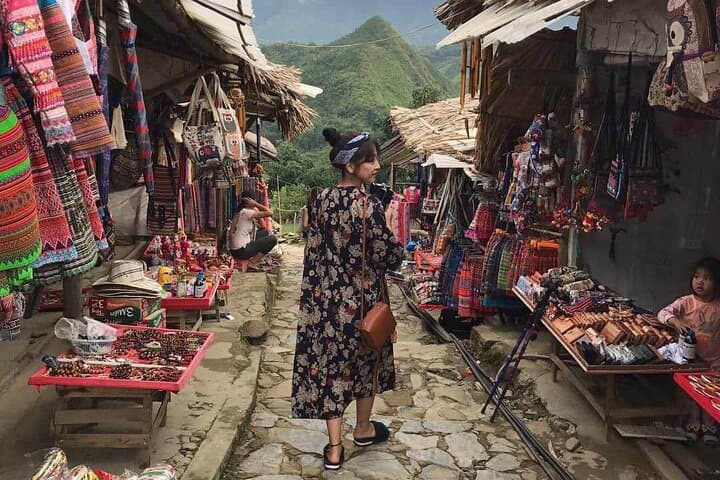
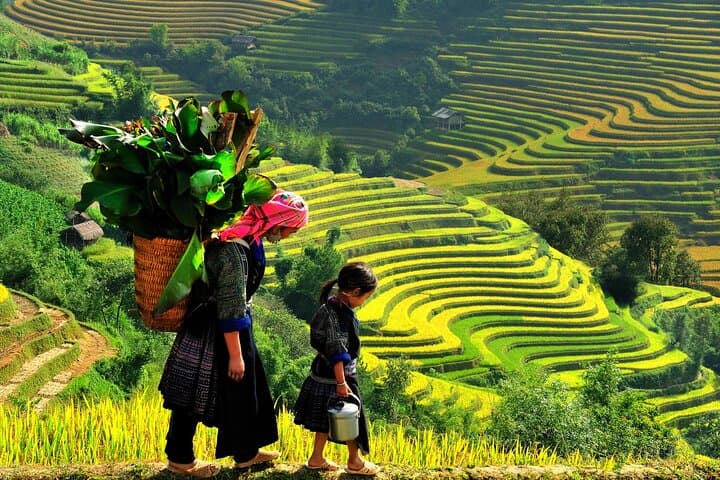
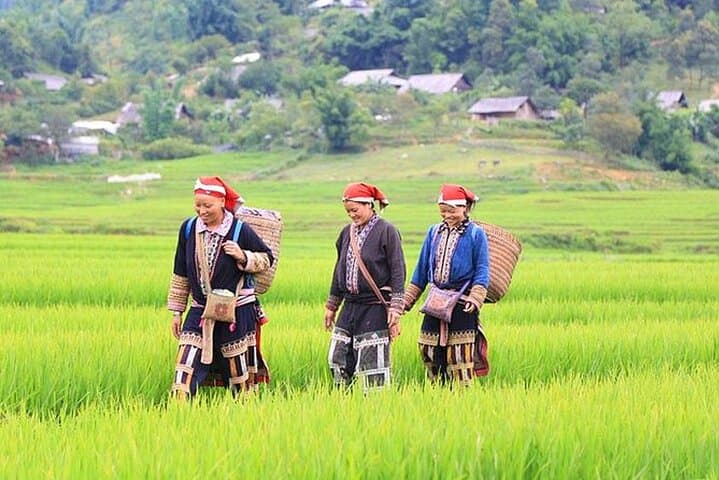
This two-day route follows tracks used by local traders and hill-tribe families—Hmong and Dao settlements at Su Pan, Thanh Phu, Sin Chai and Ban Ho—places with a living culture of indigo textiles, stilt houses and rotating crops. Geologically the Muong Hoa valley runs along softer shale and limestone compressions of the Hoang Lien range; terraces cling to slopes where drainage and hand-built retaining walls control the water that feeds rice paddies.
Expect slow climbs, short technical descents, and long gravel tracks. The trip mixes cultural visits with terrain knowledge: seasonal planting cycles determine which villages are busiest, and homestays give a firsthand look at daily life and cooking. Guides translate, vehicles stand by for steep sections, and good mountain bikes and helmets are provided.
Practical notes: ride light, start early to avoid midday sun and afternoon showers, and carry cash for small purchases. Respect photography preferences and ask before entering homes. Fitness-wise, be comfortable with repeated climbs of several hundred meters in a day and some off-road handling. Weather changes quickly—pack layers and waterproofs—and plan for muddy tracks in the wet season. The route rewards steady effort with wide valley views, quiet village interactions, and an overnight homestay that turns a short tour into an immersive, hands-on cultural exchange.
moderate.
2 days (approx. 48 hours).
Suitable for riders with moderate fitness—able to manage repeated climbs of several hundred meters and handle uneven gravel and dirt singletrack.
Daily distance varies by itinerary and group pace but typically totals 25–40 km over two days, with short stops for villages and viewpoints.
Yes—good mountain bikes and helmets are provided by the operator, plus water on the whole trip and supply vehicles for difficult sections.
A moderate level of fitness is expected—participants should be comfortable with climbing and sustained pedaling on uneven terrain.
Yes—the tour includes one night at a local homestay with dinner and breakfast provided; expect simple, family-run lodging.
Sapa grew as a hill station under French colonial rule in the early 20th century; hill-tribe communities in the Muong Hoa valley maintain agricultural systems shaped over centuries.
The area faces pressure from tourism and agricultural runoff; stick to paths, avoid single-use plastics, and support homestays that use local resources responsibly.
Asia Travel Links operates guided outdoor trips and adventures with an emphasis on safety, stewardship, and memorable experiences.
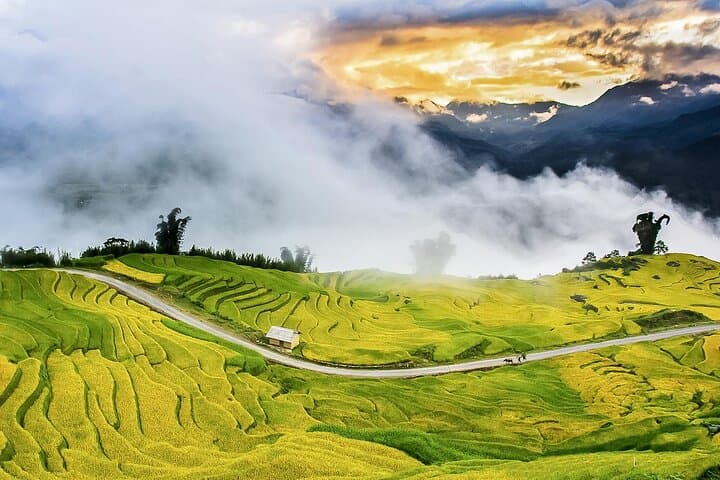
The first pedal stroke leaves Sapa’s narrow streets and climbs into a green, terraced valley where rice paddies fan out like staircases carved into the mountain. On a clear morning the air is sharp and the limestone ridges press close; clouds slide between peaks and the valley seems to move under your wheels.
The first pedal stroke leaves Sapa’s narrow streets and climbs into a green, terraced valley where rice paddies fan out like staircases carved into the mountain. On a clear morning the air is sharp and the limestone ridges press close; clouds slide between peaks and the valley seems to move under your wheels.
This two-day route follows tracks used by local traders and hill-tribe families—Hmong and Dao settlements at Su Pan, Thanh Phu, Sin Chai and Ban Ho—places with a living culture of indigo textiles, stilt houses and rotating crops. Geologically the Muong Hoa valley runs along softer shale and limestone compressions of the Hoang Lien range; terraces cling to slopes where drainage and hand-built retaining walls control the water that feeds rice paddies.
Expect slow climbs, short technical descents, and long gravel tracks. The trip mixes cultural visits with terrain knowledge: seasonal planting cycles determine which villages are busiest, and homestays give a firsthand look at daily life and cooking. Guides translate, vehicles stand by for steep sections, and good mountain bikes and helmets are provided.
Practical notes: ride light, start early to avoid midday sun and afternoon showers, and carry cash for small purchases. Respect photography preferences and ask before entering homes. Fitness-wise, be comfortable with repeated climbs of several hundred meters in a day and some off-road handling. Weather changes quickly—pack layers and waterproofs—and plan for muddy tracks in the wet season. The route rewards steady effort with wide valley views, quiet village interactions, and an overnight homestay that turns a short tour into an immersive, hands-on cultural exchange.