THE ADVENTURE COLLECTIVE® · Independent discovery and booking for outdoor travel

Trace century-old terraces and sleep in a Giay homestay on this 2-day trek from Sapa. Walk bamboo forests, visit waterfall pools, and share meals with village families while a local guide navigates the trails.
Trace century-old terraces and sleep in a Giay homestay on this 2-day trek from Sapa. Walk bamboo forests, visit waterfall pools, and share meals with village families while a local guide navigates the trails.
You start on a sun-washed ridge above Sapa, the town a cluster of tin roofs below and terraces folding away like living steps. The trail drops quickly to Y Linh Ho, where water-creased paths thread between century-old rice terraces; bamboo reclaims steep gullies and a distant waterfall dares you to come closer.
Verified experiences and guided adventures in the surrounding area.
Operated by Vietnam Tonkin Travel · Sapa, Lao Cai
You start on a sun-washed ridge above Sapa, the town a cluster of tin roofs below and terraces folding away like living steps. The trail drops quickly to Y Linh Ho, where water-creased paths thread between century-old rice terraces; bamboo reclaims steep gullies and a distant waterfall dares you to come closer.
The Hoang Lien Son range shapes every horizon here—rock uplifted and carved by monsoon rains into steep valleys. The Hmong and Giay communities have tended these terraces for generations; field patterns and traditional stilt houses tell a practical history of rice, livestock and seasonal migration. On the first evening you eat with a local family in Ta Van, learning coarse-weave textiles and the measured cadence of village life.
Expect stone and dirt tracks, short steep climbs and long descents, 3–6 hours of walking each day with viewpoints between villages. Day one links Y Linh Ho, Lao Chai and Ta Van; day two follows bamboo forest and the silk waterfall to Giang Ta Chai and Su Pan before a short transfer back to Sapa.
Practical notes: waterproof footwear and a light rain shell are essential—monsoon showers can arrive fast. Carry local currency for small purchases and tips; homestays are basic (shared bathrooms, simple hot water). Start mid-day on arrival as the itinerary does, and plan for an early wake to catch terrace light and the rooster chorus. Guides handle logistics and transfers, but bring reusable water, snacks, and comfortable layers for cool mountain nights.
moderate.
2 days (approx. 36–48 hours).
Suitable for travelers in good general health who can handle several hours of walking on uneven terrain and short steep sections.
The route is rated moderate—paths are uneven but not technical; beginners who are comfortable walking 3–6 hours with rest breaks should manage with a steady pace.
Homes are simple private rooms with shared bathrooms; hosts provide home-cooked meals and basic hot water—expect rustic comfort and warm hospitality.
The tour includes two lunches, dinner and breakfast per the itinerary; bring extra snacks and small cash for drinks or additional purchases.
Sapa sits around 1,500–1,600 m—nights can be cool to cold (5–15°C/41–59°F) depending on season, so bring warm layers.
The ethnic Hmong and Giay communities in Sapa have farmed these highland terraces for generations; the landscape reflects centuries of terrace agriculture adapted to steep slopes.
Increased tourism and more frequent road access have placed pressure on water use and waste management; choose local operators that follow leave-no-trace practices and support homestay incomes.
Vietnam Tonkin Travel operates guided outdoor trips and adventures with an emphasis on safety, stewardship, and memorable experiences.
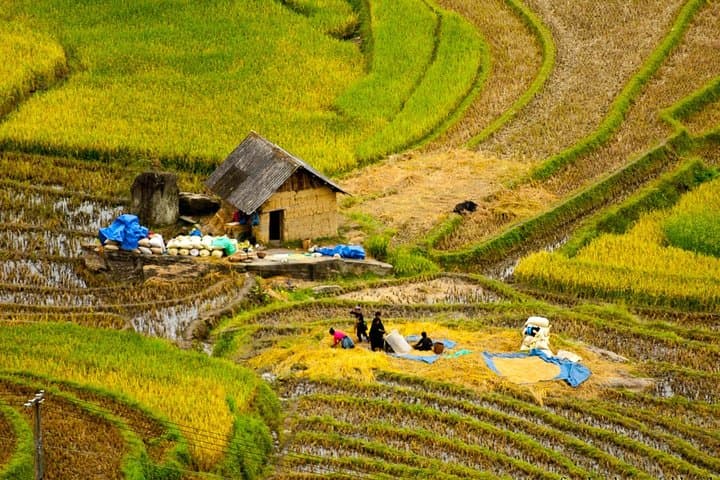
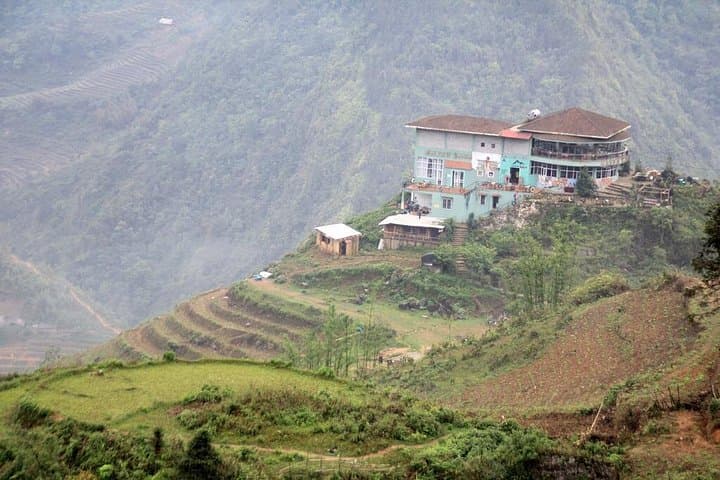
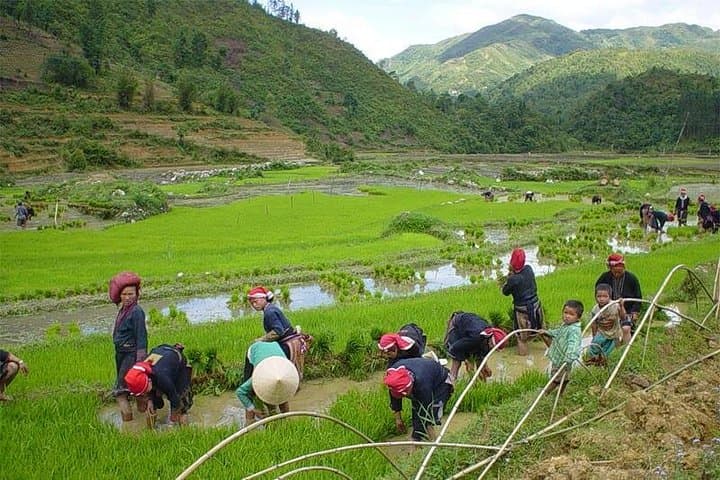
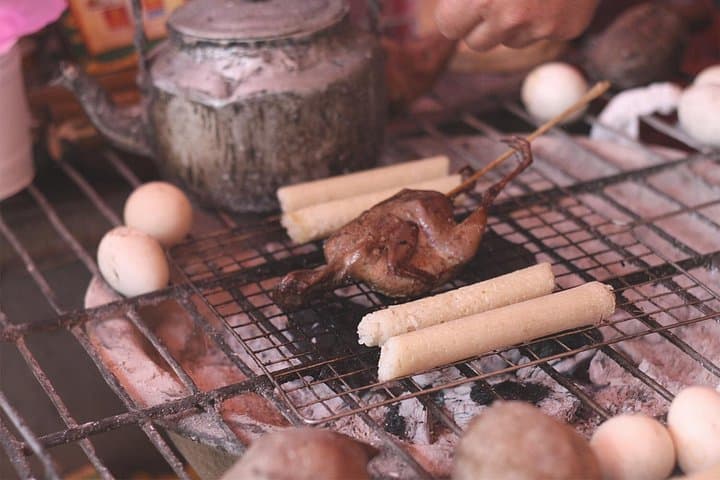
You start on a sun-washed ridge above Sapa, the town a cluster of tin roofs below and terraces folding away like living steps. The trail drops quickly to Y Linh Ho, where water-creased paths thread between century-old rice terraces; bamboo reclaims steep gullies and a distant waterfall dares you to come closer.
You start on a sun-washed ridge above Sapa, the town a cluster of tin roofs below and terraces folding away like living steps. The trail drops quickly to Y Linh Ho, where water-creased paths thread between century-old rice terraces; bamboo reclaims steep gullies and a distant waterfall dares you to come closer.
The Hoang Lien Son range shapes every horizon here—rock uplifted and carved by monsoon rains into steep valleys. The Hmong and Giay communities have tended these terraces for generations; field patterns and traditional stilt houses tell a practical history of rice, livestock and seasonal migration. On the first evening you eat with a local family in Ta Van, learning coarse-weave textiles and the measured cadence of village life.
Expect stone and dirt tracks, short steep climbs and long descents, 3–6 hours of walking each day with viewpoints between villages. Day one links Y Linh Ho, Lao Chai and Ta Van; day two follows bamboo forest and the silk waterfall to Giang Ta Chai and Su Pan before a short transfer back to Sapa.
Practical notes: waterproof footwear and a light rain shell are essential—monsoon showers can arrive fast. Carry local currency for small purchases and tips; homestays are basic (shared bathrooms, simple hot water). Start mid-day on arrival as the itinerary does, and plan for an early wake to catch terrace light and the rooster chorus. Guides handle logistics and transfers, but bring reusable water, snacks, and comfortable layers for cool mountain nights.