THE ADVENTURE COLLECTIVE® · Independent discovery and booking for outdoor travel

Two days of guided trekking from Sapa town through Muong Hoa valley to Ta Van homestay, visiting Hmong and Red Dao villages. Expect terraced fields, moderate trails and an authentic overnight with local meals.
Two days of guided trekking from Sapa town through Muong Hoa valley to Ta Van homestay, visiting Hmong and Red Dao villages. Expect terraced fields, moderate trails and an authentic overnight with local meals.
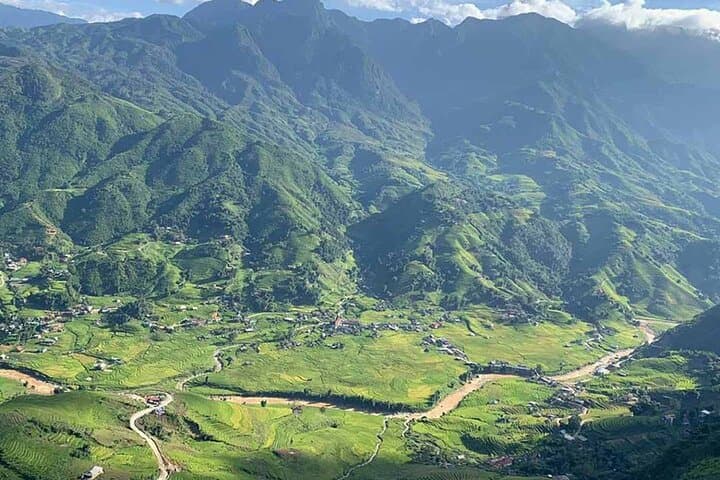
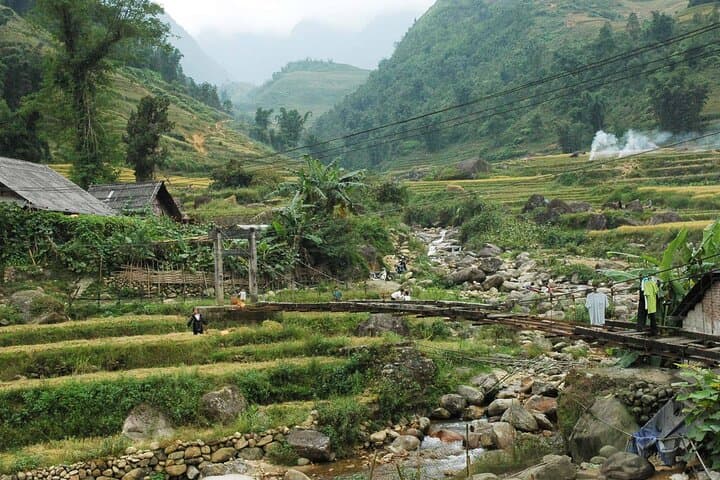
The bus eases out of Hanoi before dawn and the lowland rice paddies give way to ridgelines that clutch the sky. By late afternoon the Muong Hoa valley opens beneath you — terraces step down like a slow staircase and a cool mist threads through village rooftops. The guide points out a stone path and the sounds of distant livestock press forward, urging you down toward Y Linh Ho and Lao Chai.
Verified experiences and guided adventures in the surrounding area.
Operated by Insight Vietnam · Sapa, Lao Cai
The bus eases out of Hanoi before dawn and the lowland rice paddies give way to ridgelines that clutch the sky. By late afternoon the Muong Hoa valley opens beneath you — terraces step down like a slow staircase and a cool mist threads through village rooftops. The guide points out a stone path and the sounds of distant livestock press forward, urging you down toward Y Linh Ho and Lao Chai.
The Hoàng Liên Sơn massif carved this landscape; glaciers and monsoon water over millennia shaped the steep terraces that Hmong, Red Dao and Tay communities cultivated into living farmland. Sapa’s modern identity began as a French hill station in the 1920s, but the valley’s cultural rhythm long predates colonization: communal festivals, indigo-dyed textiles and layered agricultural calendars mark the year.
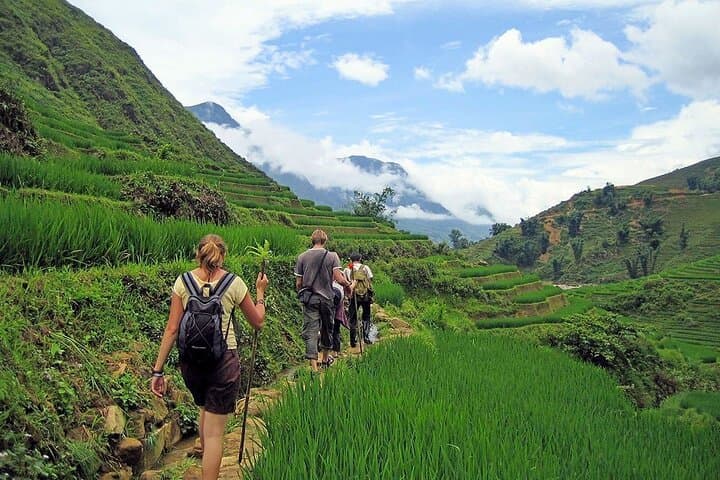
Treks on this two-day loop are primarily well-worn village trails and framed farm tracks — expect 8–12 km of walking on day paths with short, steeper sections and a few stone steps. Evenings are homestay life: shared dinners, simple bedding and the option of a hands-on cooking class that explains local ingredients and techniques.
Practically, travel light; pack a waterproof layer and good boots, and plan for variable weather from sun to sudden rain. The trip suits moderately active travelers who can manage a few hours of steady walking with frequent stops. Respect local customs, carry cash for small purchases, and allow silence in village moments — the landscape and its people are the real highlights.
moderate.
2 days.
Suitable for travelers in reasonable cardio condition who can walk 6–12 km per day with short elevation changes; not recommended for those with serious heart conditions.
Yes — the itinerary includes two lunches, dinner and breakfast during the homestay; specify dietary needs when booking.
Pickup is usually from hotels in Hanoi’s Old Quarter early morning; confirm exact pickup point when you book.
The trek is classified as physically easy to moderate and suitable for many ages, but not recommended for people with serious cardiovascular issues; ask about shorter options if needed.
Homestays are basic with shared facilities in villages; bring personal hygiene supplies and small change for any extras.
Sapa rose to prominence as a French colonial hill station in the 1920s and sits within the Hoàng Liên Sơn range, home to diverse ethnic groups whose terrace agriculture shapes the valley.
Terraced farming is fragile; stick to trails, avoid trampling crops and support homestays that practice fair tourism to sustain local livelihoods.
Insight Vietnam operates guided outdoor trips and adventures with an emphasis on safety, stewardship, and memorable experiences.
The bus eases out of Hanoi before dawn and the lowland rice paddies give way to ridgelines that clutch the sky. By late afternoon the Muong Hoa valley opens beneath you — terraces step down like a slow staircase and a cool mist threads through village rooftops. The guide points out a stone path and the sounds of distant livestock press forward, urging you down toward Y Linh Ho and Lao Chai.
The bus eases out of Hanoi before dawn and the lowland rice paddies give way to ridgelines that clutch the sky. By late afternoon the Muong Hoa valley opens beneath you — terraces step down like a slow staircase and a cool mist threads through village rooftops. The guide points out a stone path and the sounds of distant livestock press forward, urging you down toward Y Linh Ho and Lao Chai.
The Hoàng Liên Sơn massif carved this landscape; glaciers and monsoon water over millennia shaped the steep terraces that Hmong, Red Dao and Tay communities cultivated into living farmland. Sapa’s modern identity began as a French hill station in the 1920s, but the valley’s cultural rhythm long predates colonization: communal festivals, indigo-dyed textiles and layered agricultural calendars mark the year.
Treks on this two-day loop are primarily well-worn village trails and framed farm tracks — expect 8–12 km of walking on day paths with short, steeper sections and a few stone steps. Evenings are homestay life: shared dinners, simple bedding and the option of a hands-on cooking class that explains local ingredients and techniques.
Practically, travel light; pack a waterproof layer and good boots, and plan for variable weather from sun to sudden rain. The trip suits moderately active travelers who can manage a few hours of steady walking with frequent stops. Respect local customs, carry cash for small purchases, and allow silence in village moments — the landscape and its people are the real highlights.