THE ADVENTURE COLLECTIVE® · Independent discovery and booking for outdoor travel

Two days that blend Sapa’s ethnic villages with a cable-car-assisted climb to Fansipan’s summit. Expect terraced views, traditional hill‑tribe culture, and a short, steep stair climb to the highest peak in Indochina.
Two days that blend Sapa’s ethnic villages with a cable-car-assisted climb to Fansipan’s summit. Expect terraced views, traditional hill‑tribe culture, and a short, steep stair climb to the highest peak in Indochina.
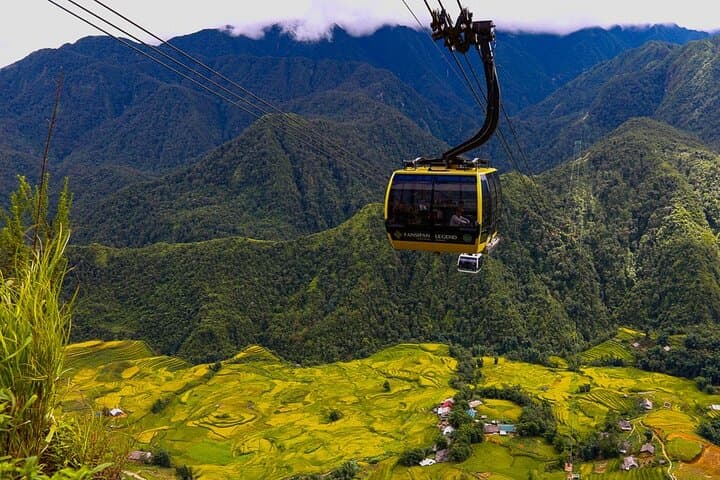
Morning mist lifts off terraced rice and you are already on the road from Hanoi, headed north into the Hoàng Liên Sơn range. By late afternoon Sapa’s cool air and the brightly dressed H’mong and Dzao people frame a short downhill walk into Cat Cat village, where stilt houses, hand-weaving and a tumbling waterfall feel immediate and lived-in.
Verified experiences and guided adventures in the surrounding area.
Operated by Local Tours ASIA · Sapa, Lào Cai
Morning mist lifts off terraced rice and you are already on the road from Hanoi, headed north into the Hoàng Liên Sơn range. By late afternoon Sapa’s cool air and the brightly dressed H’mong and Dzao people frame a short downhill walk into Cat Cat village, where stilt houses, hand-weaving and a tumbling waterfall feel immediate and lived-in.
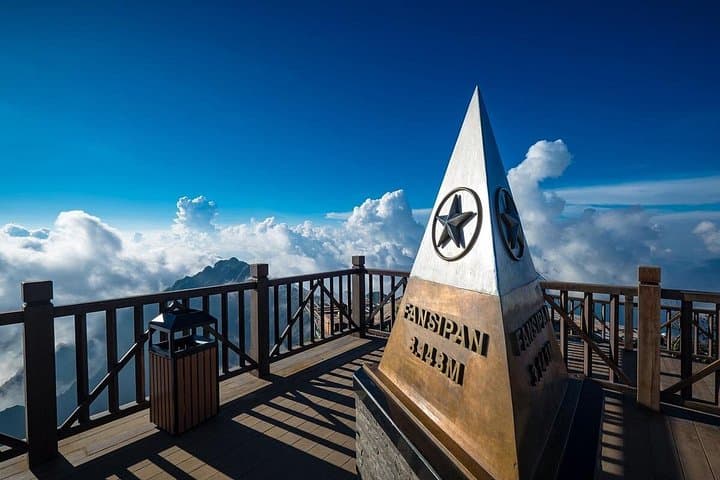
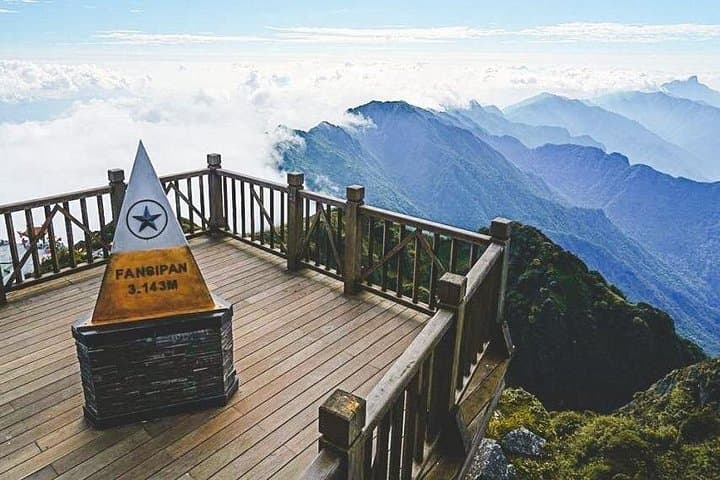
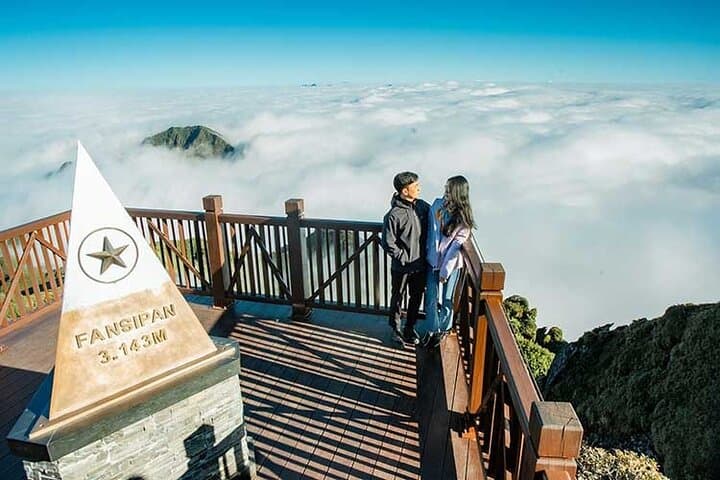
Fansipan, at 3,143 m, is the highest summit in Indochina. Geologically the massif is rugged uplifted granite and shale, carved by monsoon rains into steep ridges and deep valleys. Culturally the area is home to several ethnic minority groups whose markets and handicrafts reflect centuries of mountain life.
This two-day itinerary pairs cultural immersion with a summit approach that largely uses the cable car: a swift ascent to roughly 2,800 m followed by a paved stairway and about 600 steps to the summit plateau. Expect broad views of the Hoàng Liên range on clear days and fast-changing weather—clouds can move in within minutes.
Practical guidance: pack layered clothing for a 1,500+ m variation in elevation, bring water and rain protection, and allow time for the cable car queue. Footwear with good traction is essential for the summit steps and village trails. If you’re sensitive to altitude, move slowly on the stairs and skip the final push.
The route is family-accessible compared with full mountain ascents, but it still rewards sober preparation: lightweight insulation, a rain shell, and respect for local customs will keep the trip focused on views, culture, and the simple satisfaction of standing on the Roof of Indochina.
moderate.
2 days (active time: ~3–5 hours hiking/short walks).
Suitable for walkers with basic fitness; must be able to climb stairs and handle short steep sections.
Most of the vertical gain is covered by cable car; the final section involves about 600 stone steps and short steep sections and takes 45–90 minutes depending on pace.
Yes — this itinerary includes a return cable car ticket from Sapa to near the summit; queues can form during peak season but the ticket is provided.
At 3,143 m altitude effects are possible; the rapid ascent via cable car reduces exposure, but move slowly on the stairs and monitor for headache, nausea, or breathlessness.
The tour typically departs from Hanoi by sleeper bus and returns to Hanoi; participants stay overnight in Sapa town between activities.
Sapa was developed as a French hill station in the early 20th century and has long been a meeting point between lowland Vietnamese and several ethnic minority groups.
Trails and village areas are popular; stick to marked paths, avoid single-use plastics, and support community‑based tourism projects to help preserve local ecology and culture.
Local Tours ASIA operates guided outdoor trips and adventures with an emphasis on safety, stewardship, and memorable experiences.
Morning mist lifts off terraced rice and you are already on the road from Hanoi, headed north into the Hoàng Liên Sơn range. By late afternoon Sapa’s cool air and the brightly dressed H’mong and Dzao people frame a short downhill walk into Cat Cat village, where stilt houses, hand-weaving and a tumbling waterfall feel immediate and lived-in.
Morning mist lifts off terraced rice and you are already on the road from Hanoi, headed north into the Hoàng Liên Sơn range. By late afternoon Sapa’s cool air and the brightly dressed H’mong and Dzao people frame a short downhill walk into Cat Cat village, where stilt houses, hand-weaving and a tumbling waterfall feel immediate and lived-in.
Fansipan, at 3,143 m, is the highest summit in Indochina. Geologically the massif is rugged uplifted granite and shale, carved by monsoon rains into steep ridges and deep valleys. Culturally the area is home to several ethnic minority groups whose markets and handicrafts reflect centuries of mountain life.
This two-day itinerary pairs cultural immersion with a summit approach that largely uses the cable car: a swift ascent to roughly 2,800 m followed by a paved stairway and about 600 steps to the summit plateau. Expect broad views of the Hoàng Liên range on clear days and fast-changing weather—clouds can move in within minutes.
Practical guidance: pack layered clothing for a 1,500+ m variation in elevation, bring water and rain protection, and allow time for the cable car queue. Footwear with good traction is essential for the summit steps and village trails. If you’re sensitive to altitude, move slowly on the stairs and skip the final push.
The route is family-accessible compared with full mountain ascents, but it still rewards sober preparation: lightweight insulation, a rain shell, and respect for local customs will keep the trip focused on views, culture, and the simple satisfaction of standing on the Roof of Indochina.