THE ADVENTURE COLLECTIVE® · Independent discovery and booking for outdoor travel

Walk two days through Muong Hoa Valley with night at a Ta Van homestay. Expect terraces, bamboo forests, waterfall views, and a close look at H’mong and Dzay village life.
Walk two days through Muong Hoa Valley with night at a Ta Van homestay. Expect terraces, bamboo forests, waterfall views, and a close look at H’mong and Dzay village life.
Morning mist lifts from the rice terraces as you step off the narrow lane and onto a dirt path that snakes along Muong Hoa Valley. The air is cool, green and sharp; water on the terraces catches the light and seems to push you forward. Villagers pass with woven baskets, children wave from doorways, and bamboo stands sway like a living fence guiding the trail.
Verified experiences and guided adventures in the surrounding area.
Operated by Authentic Hanoi Homestay & Travel · Sapa, Lào Cai
Morning mist lifts from the rice terraces as you step off the narrow lane and onto a dirt path that snakes along Muong Hoa Valley. The air is cool, green and sharp; water on the terraces catches the light and seems to push you forward. Villagers pass with woven baskets, children wave from doorways, and bamboo stands sway like a living fence guiding the trail.
This two-day route threads through the history of northern Vietnam—stone footpaths carved by generations of H’mong and Dzay farmers, terraces shaped over centuries to hold water and soil on steep slopes. Geology here is folded limestone and metamorphic ridges dropping into a lush valley where streams create small waterfalls and rattan bridges link villages. Culture is plain and present: embroidered jackets, local dialects, and homestay hospitality where dinner is communal and stories come with chili and rice wine.
Expect about 18 km of walking across two days, with short ascents, muddy sections when it rains, and several village visits (Y Linh Ho, Lao Chai, Ta Van, Giang Ta Chai, Su Pan). Trails are mostly singletrack and farm roads; good footwear and a steady pace make this moderate walking. The homestay is basic—bungalow rooms, shared facilities, and home-cooked meals—perfect for travelers who favor slow travel over creature comforts.
Practical tips: hike early to avoid midday heat, carry water and a lightweight rain layer, and budget time for photo stops and village interactions. Respect local customs—ask before photographing people and remove shoes where hosts request it. This is a compact, culturally rich trek that rewards patience and curiosity.
moderate.
2 days.
Suitable for travelers with basic to good fitness; expect multiple hours of walking each day with short climbs.
The route is rated moderate (about 5–6/10); trails include uneven terraces and short ascents but require no technical climbing.
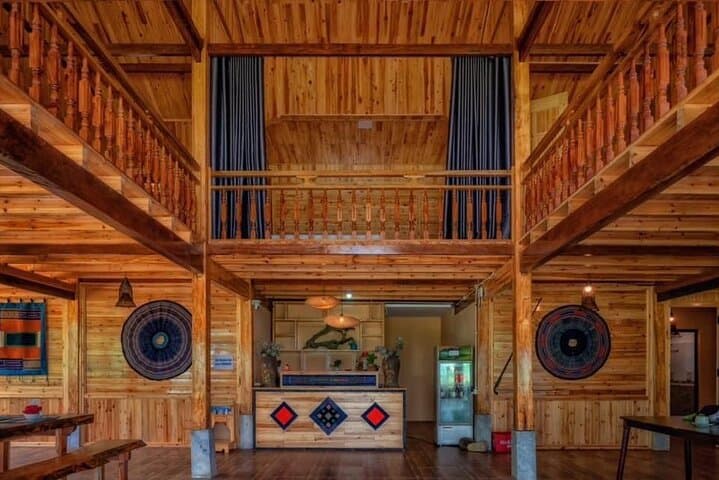
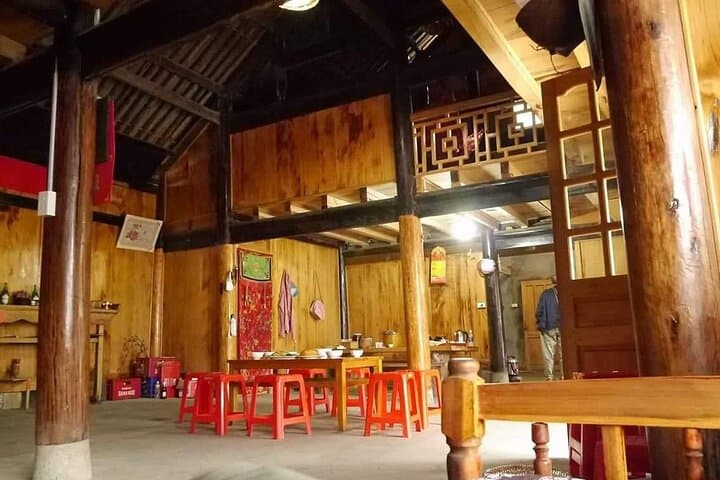
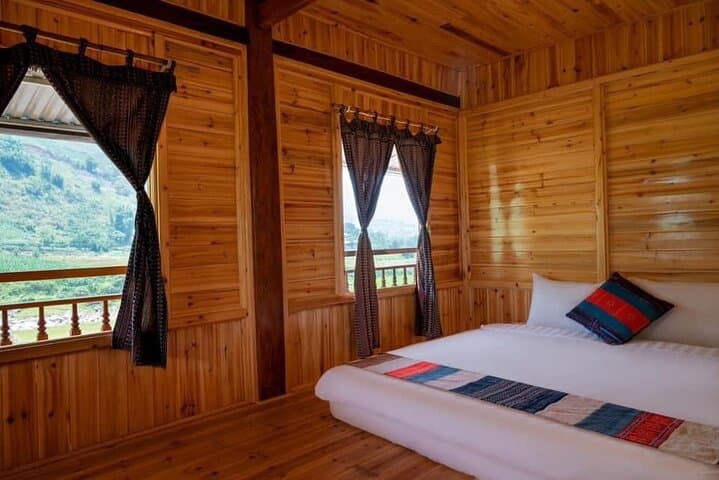
Homestays are basic bungalows with shared facilities, locally cooked meals, and simple bedding—comfortable but not like a hotel.
Meals listed include 2 lunches, 1 dinner and 1 breakfast; additional snacks or special dietary needs should be arranged in advance.
The tour is suitable for a wide range of ages, but not recommended for travelers with serious back, heart, or pregnancy-related conditions; check with the operator about mobility limits.
The Muong Hoa Valley has been farmed by ethnic minorities for centuries; terraces visible today reflect labor-intensive land management that sustained communities through monsoon cycles.
Visitors should stick to marked trails, avoid disturbing terraces and crops, and carry out trash; many villages rely on tourism income but ecosystems are fragile and erosion-prone.
Authentic Hanoi Homestay & Travel operates guided outdoor trips and adventures with an emphasis on safety, stewardship, and memorable experiences.
Morning mist lifts from the rice terraces as you step off the narrow lane and onto a dirt path that snakes along Muong Hoa Valley. The air is cool, green and sharp; water on the terraces catches the light and seems to push you forward. Villagers pass with woven baskets, children wave from doorways, and bamboo stands sway like a living fence guiding the trail.
Morning mist lifts from the rice terraces as you step off the narrow lane and onto a dirt path that snakes along Muong Hoa Valley. The air is cool, green and sharp; water on the terraces catches the light and seems to push you forward. Villagers pass with woven baskets, children wave from doorways, and bamboo stands sway like a living fence guiding the trail.
This two-day route threads through the history of northern Vietnam—stone footpaths carved by generations of H’mong and Dzay farmers, terraces shaped over centuries to hold water and soil on steep slopes. Geology here is folded limestone and metamorphic ridges dropping into a lush valley where streams create small waterfalls and rattan bridges link villages. Culture is plain and present: embroidered jackets, local dialects, and homestay hospitality where dinner is communal and stories come with chili and rice wine.
Expect about 18 km of walking across two days, with short ascents, muddy sections when it rains, and several village visits (Y Linh Ho, Lao Chai, Ta Van, Giang Ta Chai, Su Pan). Trails are mostly singletrack and farm roads; good footwear and a steady pace make this moderate walking. The homestay is basic—bungalow rooms, shared facilities, and home-cooked meals—perfect for travelers who favor slow travel over creature comforts.
Practical tips: hike early to avoid midday heat, carry water and a lightweight rain layer, and budget time for photo stops and village interactions. Respect local customs—ask before photographing people and remove shoes where hosts request it. This is a compact, culturally rich trek that rewards patience and curiosity.