THE ADVENTURE COLLECTIVE® · Independent discovery and booking for outdoor travel

Spend a relaxed day on Saona Island: a VIP catamaran crossing, snorkeling over reef flats, lunch on white sand and a visit to Mano Juan fishing village. This guide explains what to expect, local history and practical tips to plan your trip.
Spend a relaxed day on Saona Island: a VIP catamaran crossing, snorkeling over reef flats, lunch on white sand and a visit to Mano Juan fishing village. This guide explains what to expect, local history and practical tips to plan your trip.
A warm trade wind lifts the catamaran's sail as Punta Cana falls away and turquoise water stretches like a dare. On approach to Saona Island, the sea changes tone — shallow aquamarine around sandbars, darker blue where the reef drops away — and the boat throttles down to glide into the natural pool where guests stand waist-deep among glittering sand and playful fish.
Verified experiences and guided adventures in the surrounding area.
Operated by Toursvip · Mano Juan (Saona Island), La Altagracia
A warm trade wind lifts the catamaran's sail as Punta Cana falls away and turquoise water stretches like a dare. On approach to Saona Island, the sea changes tone — shallow aquamarine around sandbars, darker blue where the reef drops away — and the boat throttles down to glide into the natural pool where guests stand waist-deep among glittering sand and playful fish.
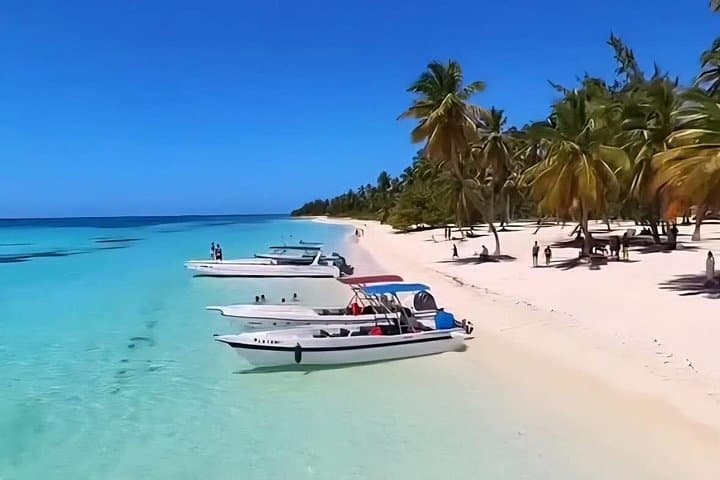
Part of Cotubanamá National Park, Saona Island is low-lying limestone and coral, shaped by tropical storms and centuries of reef growth. Two small settlements remain: Mano Juan, a working fishing village with wooden houses and boats pulled up on the sand, and the naval post at Catuano. The island’s culture is coastal and practical — fishing and boatbuilding traditions persist alongside tourism — and its marine terraces host seagrass beds, mangroves and reef flats that support conch, turtles and reef fish.
Expect a day built around water: a catamaran ride from the mainland, stops for snorkeling over shallow reefs, a relaxed beach lunch under palms, and time in shallow “piscina natural” sandbars. The landscape will push you to slow down — currents nudging the hull, a pelican quartering the surf, sand heating underfoot.
Practical guidance: bring reef-safe sunscreen, a waterproof case, light footwear for coral, and cash for souvenirs in Mano Juan. Morning departures avoid midday crowds and offer calmer seas; keep a light jacket for sea spray. Respect park rules: no collecting shells or touching coral, and follow guides’ instructions for sustainable snorkeling.
easy.
5–6 hours.
Suitable for most fitness levels; you should be able to board a boat and walk on sand and shallow reef areas.
Typical tours run about 5–6 hours, including boat transfers, snorkeling stops, lunch and free time on the beach.
Yes — operators describe it as suitable for all fitness levels; life jackets and shallow natural pools make it family friendly, though supervision is recommended for non‑swimmers.
Yes — there are shallow reef areas and guided snorkeling; visibility varies with weather and tides, so morning trips are often best.
Because many operators treat sales as final, cancellation policies vary; check your provider’s terms and monitor hurricane season (June–November) for risk of disruptions.
Saona Island lies within Cotubanamá National Park and carries Taíno and colonial-era history; Mano Juan remains a small working fishing community with traditional coastal livelihoods.
The park designation protects reef and mangrove habitats — visitors should use reef‑safe products, avoid stepping on coral, and leave shells and marine life in place.
Toursvip operates guided outdoor trips and adventures with an emphasis on safety, stewardship, and memorable experiences.
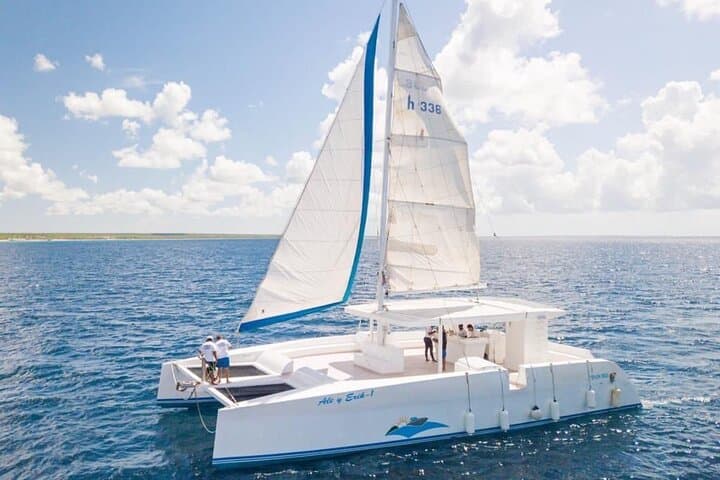
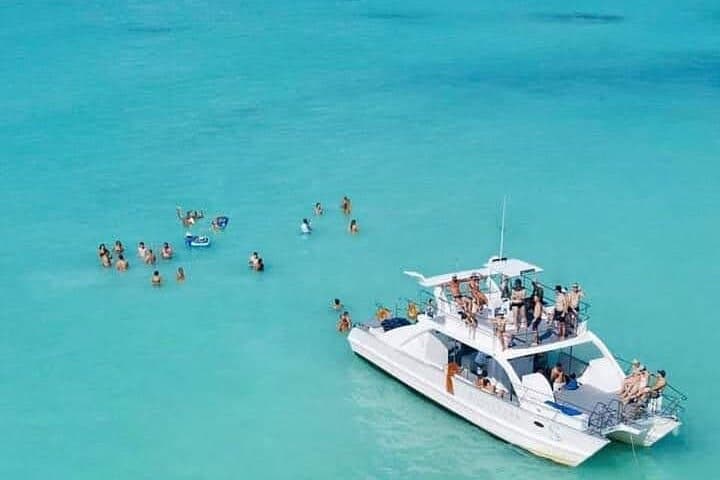
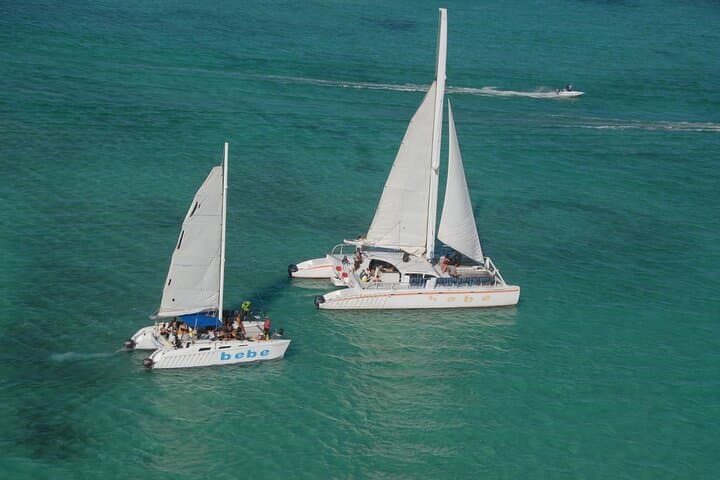
A warm trade wind lifts the catamaran's sail as Punta Cana falls away and turquoise water stretches like a dare. On approach to Saona Island, the sea changes tone — shallow aquamarine around sandbars, darker blue where the reef drops away — and the boat throttles down to glide into the natural pool where guests stand waist-deep among glittering sand and playful fish.
A warm trade wind lifts the catamaran's sail as Punta Cana falls away and turquoise water stretches like a dare. On approach to Saona Island, the sea changes tone — shallow aquamarine around sandbars, darker blue where the reef drops away — and the boat throttles down to glide into the natural pool where guests stand waist-deep among glittering sand and playful fish.
Part of Cotubanamá National Park, Saona Island is low-lying limestone and coral, shaped by tropical storms and centuries of reef growth. Two small settlements remain: Mano Juan, a working fishing village with wooden houses and boats pulled up on the sand, and the naval post at Catuano. The island’s culture is coastal and practical — fishing and boatbuilding traditions persist alongside tourism — and its marine terraces host seagrass beds, mangroves and reef flats that support conch, turtles and reef fish.
Expect a day built around water: a catamaran ride from the mainland, stops for snorkeling over shallow reefs, a relaxed beach lunch under palms, and time in shallow “piscina natural” sandbars. The landscape will push you to slow down — currents nudging the hull, a pelican quartering the surf, sand heating underfoot.
Practical guidance: bring reef-safe sunscreen, a waterproof case, light footwear for coral, and cash for souvenirs in Mano Juan. Morning departures avoid midday crowds and offer calmer seas; keep a light jacket for sea spray. Respect park rules: no collecting shells or touching coral, and follow guides’ instructions for sustainable snorkeling.