THE ADVENTURE COLLECTIVE® · Independent discovery and booking for outdoor travel

Escape the crowds with a private-boat eco tour to Saona Island: explore virgin beaches, mangrove lagoons, a local fishing village, and a sea-turtle conservation center—complete with a sandbar swim in turquoise water.
Escape the crowds with a private-boat eco tour to Saona Island: explore virgin beaches, mangrove lagoons, a local fishing village, and a sea-turtle conservation center—complete with a sandbar swim in turquoise water.
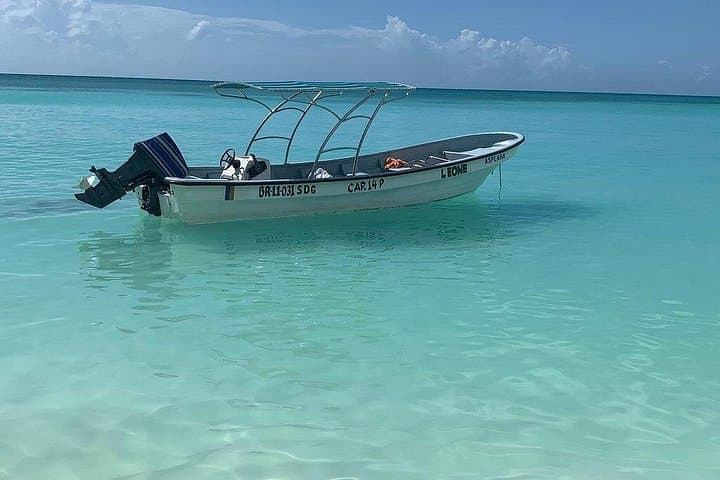
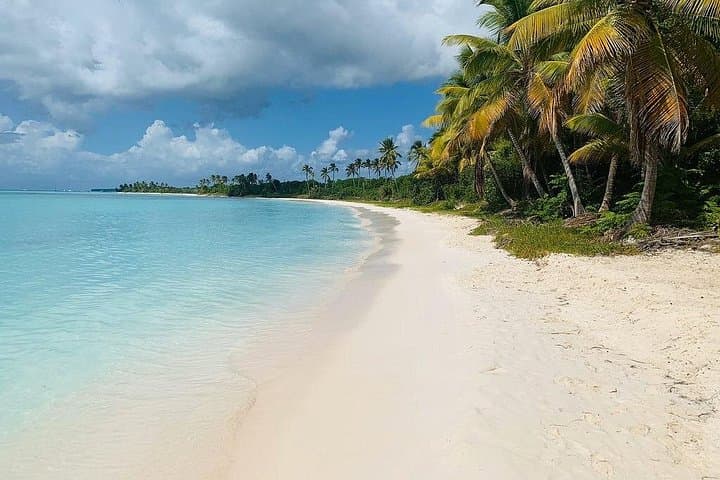
The hull cuts through glassy Caribbean; spray tastes of salt and lime, and an hour from the mainland the island rises like an invitation. Saona’s shoreline unfurls in a band of white sand and thin fringe of palms, but this is not the postcard crowd scene you’ve seen in travel ads. On a private-boat nature tour, the engine becomes a bridge to quieter coves, mangrove tunnels and a fishing village that still moves to island time.
Verified experiences and guided adventures in the surrounding area.
Operated by Explora Ecotour · Bayahibe, La Altagracia Province
The hull cuts through glassy Caribbean; spray tastes of salt and lime, and an hour from the mainland the island rises like an invitation. Saona’s shoreline unfurls in a band of white sand and thin fringe of palms, but this is not the postcard crowd scene you’ve seen in travel ads. On a private-boat nature tour, the engine becomes a bridge to quieter coves, mangrove tunnels and a fishing village that still moves to island time.
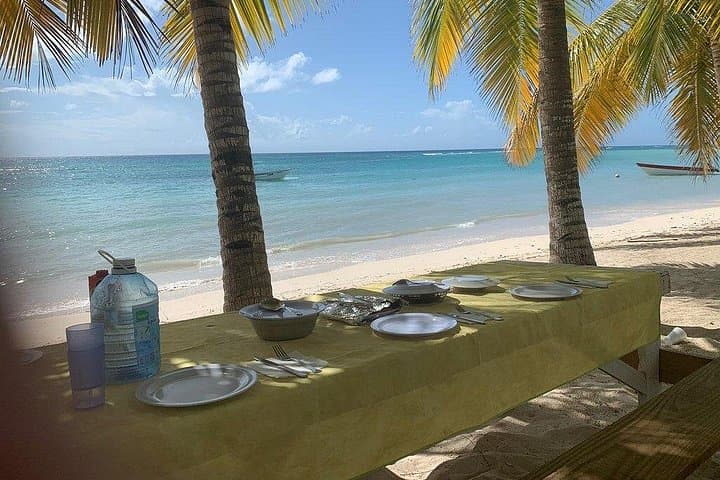
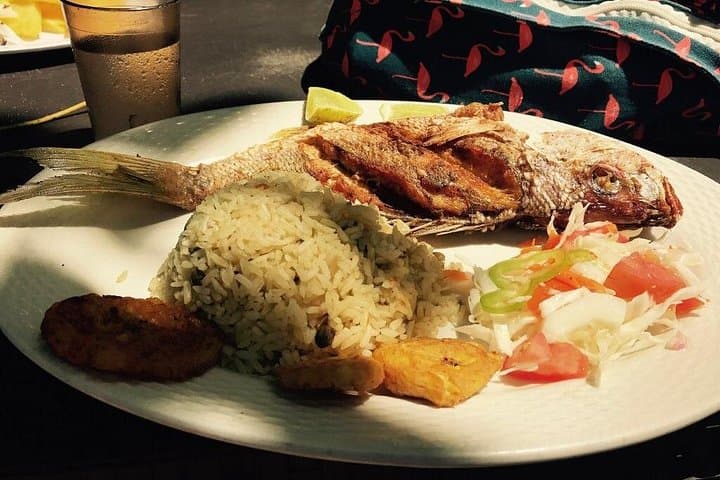
Saona sits off the southeast Dominican coast within Cotubanamá National Park, a protected swath that preserves coral beds, mangrove stands and the cultural footprint of the Taíno people and early colonial expeditions. Geologically the island is a low limestone platform whose beaches and sandbars are shaped by currents and storm cycles; the mangrove lagoons act like lungs, filtering water and hosting juvenile fish. Fishing, small-scale coconut harvesting and, increasingly, conservation work—especially sea turtle protection—define local life in places like Mano Juan, a sleepy village where lunch is more than a buffet, it’s a local ritual.
The private tour splits the island into scenes: open ocean and the sandbar that dares you to wade waist-deep in turquoise, then the hush of mangrove channels where herons stalk and crabs skitter like punctuation. Guides steer the boat to quiet, virgin beaches away from mass-tour operators, and you get a look at the island’s conservation efforts—a turtle center where hatchlings are monitored before release and where rules matter: no flash photography, no touching nests, and no trash left behind.
Practicalities matter as much as scenery. The operator typically picks up in Santo Domingo or Bayahibe; total trip time runs roughly 6–10 hours, including a 45–75 minute ride from Bayahibe and several stops. The tour includes bottled water, snacks and a local lunch in Mano Juan, plus life jackets. Landings are on soft sand; expect short walks and uneven surfaces. Seas can be calm or choppy—bring a motion-sickness plan if you’re prone to rolling waves.
Plan for sun, salt and local systems: reef-safe sunscreen, a brimmed hat and water shoes make long beach hours comfortable. Carry small Dominican pesos for village crafts and tips; photography is rewarding at golden hour but quieter morning light reveals mangrove detail. Respect the conservation center’s rules—these programs rely on tourist support and simple compliance keeps turtles coming back.
A private boat gives you control: linger at a lonely cove, ask for extra time in the mangroves, or time your swim at the sandbar for the shallowest, warmest water. The island still rewards those who look beyond the postcard: a place where currents push you forward, palms talk in dry leaves, and the sea keeps a slow, insistently patient rhythm.
easy.
6–10 hours.
Suitable for travelers in light to moderate condition—expect standing on a boat, short beach walks and occasional wading.
From Bayahibe the ride typically ranges 45–75 minutes depending on sea conditions and the route your captain chooses.
Snorkel equipment is not always included—check with the operator ahead of time; many guests bring their own for a better fit.
Yes—infants must sit on an adult’s lap and specialized infant seats may be available; the trip is family-friendly but not recommended for pregnant travelers or those with serious back problems.
The tour includes bottled water, snacks and a lunch in Mano Juan; alcoholic drinks are sometimes available for purchase—confirm with your guide.
A tip of 10–15% of the tour cost shared among crew and guides is customary, or a few dollars per person for good service.
The operator may cancel for bad weather (all sales final policy often applies); they will notify you, and safety decisions prioritize sea conditions.
Part of Cotubanamá National Park, Saona holds Taíno archaeological sites and was later used by Spanish colonists; its protected status aims to preserve both nature and cultural touchpoints.
Tour operators work with local turtle conservation projects—follow rules at hatcheries, avoid single-use plastics, and support community-run programs to reduce tourism pressure.
Explora Ecotour operates guided outdoor trips and adventures with an emphasis on safety, stewardship, and memorable experiences.
The hull cuts through glassy Caribbean; spray tastes of salt and lime, and an hour from the mainland the island rises like an invitation. Saona’s shoreline unfurls in a band of white sand and thin fringe of palms, but this is not the postcard crowd scene you’ve seen in travel ads. On a private-boat nature tour, the engine becomes a bridge to quieter coves, mangrove tunnels and a fishing village that still moves to island time.
The hull cuts through glassy Caribbean; spray tastes of salt and lime, and an hour from the mainland the island rises like an invitation. Saona’s shoreline unfurls in a band of white sand and thin fringe of palms, but this is not the postcard crowd scene you’ve seen in travel ads. On a private-boat nature tour, the engine becomes a bridge to quieter coves, mangrove tunnels and a fishing village that still moves to island time.
Saona sits off the southeast Dominican coast within Cotubanamá National Park, a protected swath that preserves coral beds, mangrove stands and the cultural footprint of the Taíno people and early colonial expeditions. Geologically the island is a low limestone platform whose beaches and sandbars are shaped by currents and storm cycles; the mangrove lagoons act like lungs, filtering water and hosting juvenile fish. Fishing, small-scale coconut harvesting and, increasingly, conservation work—especially sea turtle protection—define local life in places like Mano Juan, a sleepy village where lunch is more than a buffet, it’s a local ritual.
The private tour splits the island into scenes: open ocean and the sandbar that dares you to wade waist-deep in turquoise, then the hush of mangrove channels where herons stalk and crabs skitter like punctuation. Guides steer the boat to quiet, virgin beaches away from mass-tour operators, and you get a look at the island’s conservation efforts—a turtle center where hatchlings are monitored before release and where rules matter: no flash photography, no touching nests, and no trash left behind.
Practicalities matter as much as scenery. The operator typically picks up in Santo Domingo or Bayahibe; total trip time runs roughly 6–10 hours, including a 45–75 minute ride from Bayahibe and several stops. The tour includes bottled water, snacks and a local lunch in Mano Juan, plus life jackets. Landings are on soft sand; expect short walks and uneven surfaces. Seas can be calm or choppy—bring a motion-sickness plan if you’re prone to rolling waves.
Plan for sun, salt and local systems: reef-safe sunscreen, a brimmed hat and water shoes make long beach hours comfortable. Carry small Dominican pesos for village crafts and tips; photography is rewarding at golden hour but quieter morning light reveals mangrove detail. Respect the conservation center’s rules—these programs rely on tourist support and simple compliance keeps turtles coming back.
A private boat gives you control: linger at a lonely cove, ask for extra time in the mangroves, or time your swim at the sandbar for the shallowest, warmest water. The island still rewards those who look beyond the postcard: a place where currents push you forward, palms talk in dry leaves, and the sea keeps a slow, insistently patient rhythm.