THE ADVENTURE COLLECTIVE® · Independent discovery and booking for outdoor travel

A full-day catamaran and speedboat tour to Isla Saona from Punta Cana that showcases a shallow Natural Pool with starfish, palm-lined beaches, and a beachfront Dominican lunch. Expect 8–10 hours of sun, snorkeling, and coastal culture—bring reef-safe sunscreen and seasickness meds.
A full-day catamaran and speedboat tour to Isla Saona from Punta Cana that showcases a shallow Natural Pool with starfish, palm-lined beaches, and a beachfront Dominican lunch. Expect 8–10 hours of sun, snorkeling, and coastal culture—bring reef-safe sunscreen and seasickness meds.
You step onto a catamaran as the coast of the Dominican Republic slides away—palm crowns and reef-split water folding into bands of turquoise. The boat hums, local radio pulses with merengue, and the sea seems to nudge you toward a sandbar that appears like a desert island in the shallows.
Verified experiences and guided adventures in the surrounding area.
Operated by Palma caribe · La Romana, La Romana Province
You step onto a catamaran as the coast of the Dominican Republic slides away—palm crowns and reef-split water folding into bands of turquoise. The boat hums, local radio pulses with merengue, and the sea seems to nudge you toward a sandbar that appears like a desert island in the shallows.
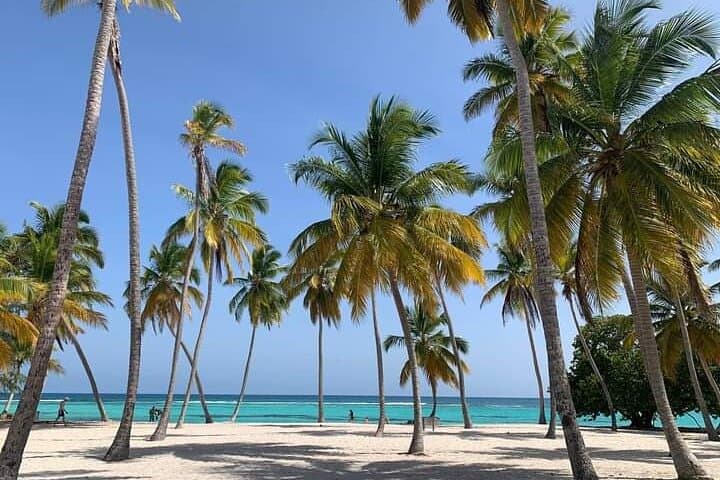
Isla Saona sits inside Cotubanamá National Park and was first charted by Columbus; its flat, sandy shorelines and fringing coral reflect a geology of marine limestone and wind-sculpted dunes. Mangrove fingers and seagrass flats shelter juvenile fish while the beaches act as a stage for a small fishing culture: Mano Juan and other hamlets keep slow rhythms of nets, coconut palms, and roadside food stands serving fresh fish and rice.
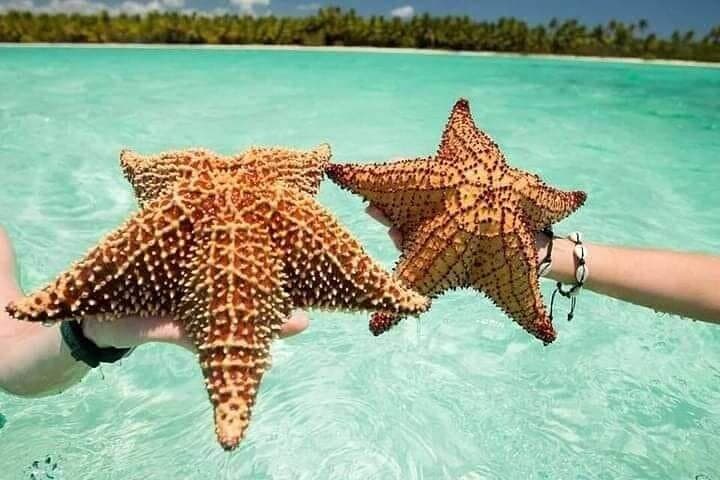
The tour typically includes a speedboat transfer, a stop at the Natural Pool to float and snorkel among starfish, and several hours on Saona’s broad white beaches with a buffet lunch and national drinks. Expect long stretches of shallow water, coral outcrops, and open sand—nature that alternately invites and tests you: the sun pushes down, the tide rearranges the sand.
Practical guidance: this is a full-day outing (8–10 hours) with boat transfers from Punta Cana/La Romana; bring reef-safe sunscreen, a waterproof camera, cash for local vendors, and seasickness medication if you get prone to motion. Respect wildlife—avoid touching starfish or stepping on coral—and follow guides’ instructions when boarding speedboats. Morning departures are cooler and offer better visibility for snorkeling; peak season brings crowds, so plan accordingly.
easy.
8–10 hours.
Suitable for most fitness levels; requires ability to board boats, stand or walk on sand, and swim short distances for snorkeling.
The tour runs about 8–10 hours and typically includes hotel pick-up in Punta Cana or transfer to La Romana to board the boat to Isla Saona.
No—guides advise against touching starfish to avoid harming these animals; observe and photograph from a short distance.
This specific outing is generally not recommended for pregnant travelers due to boat transfers and jostling; check with your provider for alternatives or restrictions.
Lunch, snacks, bottled water and some alcoholic drinks are typically included, but bring cash for extras and consider your own water bottle to refill.
Isla Saona was charted during early European voyages and today is protected within Cotubanamá National Park, preserving coastal ecosystems and local fishing traditions.
Tourism pressures can damage coral and disturb wildlife; use reef-safe sunscreen, avoid touching marine life, and carry out all trash to minimize impact.
Palma caribe operates guided outdoor trips and adventures with an emphasis on safety, stewardship, and memorable experiences.


You step onto a catamaran as the coast of the Dominican Republic slides away—palm crowns and reef-split water folding into bands of turquoise. The boat hums, local radio pulses with merengue, and the sea seems to nudge you toward a sandbar that appears like a desert island in the shallows.
You step onto a catamaran as the coast of the Dominican Republic slides away—palm crowns and reef-split water folding into bands of turquoise. The boat hums, local radio pulses with merengue, and the sea seems to nudge you toward a sandbar that appears like a desert island in the shallows.
Isla Saona sits inside Cotubanamá National Park and was first charted by Columbus; its flat, sandy shorelines and fringing coral reflect a geology of marine limestone and wind-sculpted dunes. Mangrove fingers and seagrass flats shelter juvenile fish while the beaches act as a stage for a small fishing culture: Mano Juan and other hamlets keep slow rhythms of nets, coconut palms, and roadside food stands serving fresh fish and rice.
The tour typically includes a speedboat transfer, a stop at the Natural Pool to float and snorkel among starfish, and several hours on Saona’s broad white beaches with a buffet lunch and national drinks. Expect long stretches of shallow water, coral outcrops, and open sand—nature that alternately invites and tests you: the sun pushes down, the tide rearranges the sand.
Practical guidance: this is a full-day outing (8–10 hours) with boat transfers from Punta Cana/La Romana; bring reef-safe sunscreen, a waterproof camera, cash for local vendors, and seasickness medication if you get prone to motion. Respect wildlife—avoid touching starfish or stepping on coral—and follow guides’ instructions when boarding speedboats. Morning departures are cooler and offer better visibility for snorkeling; peak season brings crowds, so plan accordingly.