THE ADVENTURE COLLECTIVE® · Independent discovery and booking for outdoor travel

Escape Cap Cana for a six‑hour catamaran and speedboat run to Isla Saona: waist‑deep natural pools, coral terraces, and a Dominican lobster lunch. This practical guide covers what to expect, local history, and how to prepare for the boat transfer and beach time.
Escape Cap Cana for a six‑hour catamaran and speedboat run to Isla Saona: waist‑deep natural pools, coral terraces, and a Dominican lobster lunch. This practical guide covers what to expect, local history, and how to prepare for the boat transfer and beach time.
Salt air and motor hum begin the morning before the island appears: a low ribbon of white sand, palms leaning toward the sea like hands seeking shade. A speedboat or catamaran cuts through turquoise that dares you to dive in; nearer shore, the water shallows to a warm, waist‑deep natural pool where coral terraces shape calm lanes of glassy water.
Verified experiences and guided adventures in the surrounding area.
Operated by Oasis Humpack RD · Bayahibe, La Altagracia
Salt air and motor hum begin the morning before the island appears: a low ribbon of white sand, palms leaning toward the sea like hands seeking shade. A speedboat or catamaran cuts through turquoise that dares you to dive in; nearer shore, the water shallows to a warm, waist‑deep natural pool where coral terraces shape calm lanes of glassy water.
Isla Saona sits inside Parque Nacional Cotubanamá, a protected reserve whose beaches and reefs trace geological lines of ancient limestone and living coral. Spanish colonial history brushes the coast here, and small fishing settlements like Mano Juan still mark the human scale — quiet, practical, and rooted in lobster season rhythms. The island’s beaches are coral‑fringed, the sand composed of ground shell and coral fragments that crunch softly underfoot.
On a standard six‑hour day trip from Cap Cana or Bayahibe expect a mixed itinerary: a boat transfer, a stop at Playa Palmilla’s natural swimming pool, time on the main beaches with an all‑inclusive beach bar, and a midday Dominican buffet—often including lobster when in season. Activities can run from lounging and beach volleyball to short shoreline walks and snorkeling over shallow coral terraces.
Practical notes: bring reef‑safe sunscreen, a light waterproof bag, and a sturdy pair of water shoes for coral and shallow reefs. Protect electronics from spray and sun; plan pickups and return windows carefully, and watch weather forecasts during hurricane season (June–November). The trip is accessible for most fitness levels, but respect marine life—avoid touching coral or feeding wildlife—and pack out what you bring in.
easy.
6 hours.
Suitable for most fitness levels; requires basic mobility for boarding boats and walking on sand and shallow reef
Typical tours run about six hours door‑to‑door, including boat transfers, a stop at the natural pool, beach time, and the lunch break.
The natural pool is shallow—often knee to waist depth—but non‑swimmers should stay near guides and use flotation as needed due to changing currents near the coral edges.
Most tours include a Dominican buffet lunch and snacks; lobster is often included when in season or specified by the operator—confirm at booking for guaranteed lobster.
Operators typically cancel for severe weather or unsafe sea conditions; standard policies allow refunds if canceled at least 24 hours before departure or for bad weather.
Saona has long been used by indigenous Taíno peoples and later by colonial and fishing communities; it’s now protected within Parque Nacional Cotubanamá to preserve its marine and coastal ecosystems.
The island’s protected status helps safeguard reefs and nesting beaches, but coral decline and litter remain issues—use reef‑safe products, avoid touching wildlife, and pack out trash.
Oasis Humpack RD operates guided outdoor trips and adventures with an emphasis on safety, stewardship, and memorable experiences.
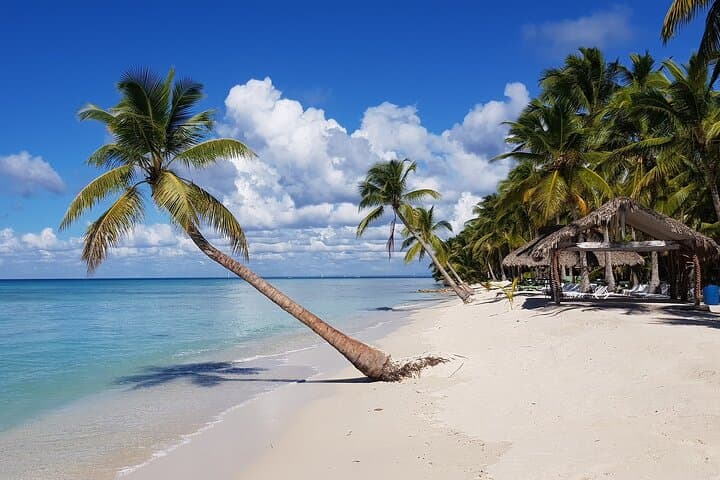
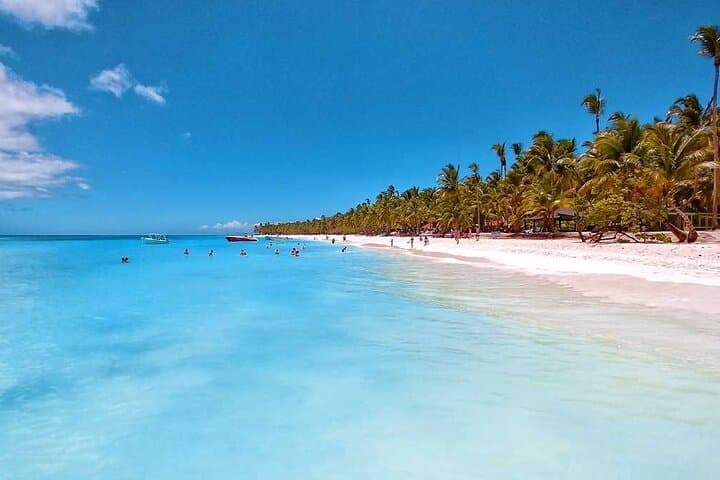
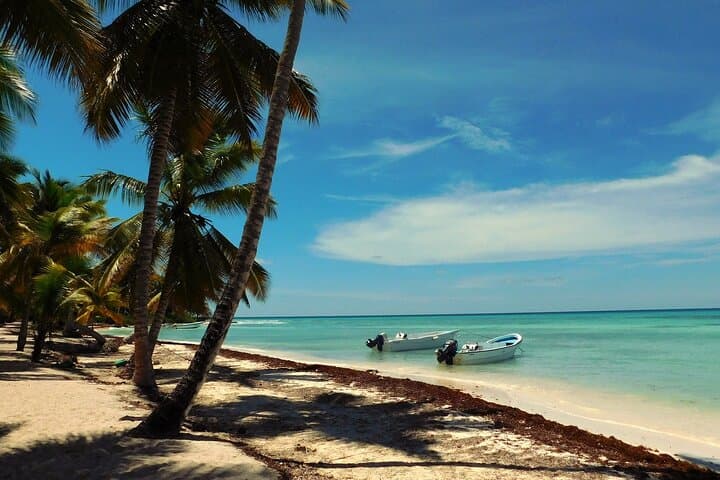
Salt air and motor hum begin the morning before the island appears: a low ribbon of white sand, palms leaning toward the sea like hands seeking shade. A speedboat or catamaran cuts through turquoise that dares you to dive in; nearer shore, the water shallows to a warm, waist‑deep natural pool where coral terraces shape calm lanes of glassy water.
Salt air and motor hum begin the morning before the island appears: a low ribbon of white sand, palms leaning toward the sea like hands seeking shade. A speedboat or catamaran cuts through turquoise that dares you to dive in; nearer shore, the water shallows to a warm, waist‑deep natural pool where coral terraces shape calm lanes of glassy water.
Isla Saona sits inside Parque Nacional Cotubanamá, a protected reserve whose beaches and reefs trace geological lines of ancient limestone and living coral. Spanish colonial history brushes the coast here, and small fishing settlements like Mano Juan still mark the human scale — quiet, practical, and rooted in lobster season rhythms. The island’s beaches are coral‑fringed, the sand composed of ground shell and coral fragments that crunch softly underfoot.
On a standard six‑hour day trip from Cap Cana or Bayahibe expect a mixed itinerary: a boat transfer, a stop at Playa Palmilla’s natural swimming pool, time on the main beaches with an all‑inclusive beach bar, and a midday Dominican buffet—often including lobster when in season. Activities can run from lounging and beach volleyball to short shoreline walks and snorkeling over shallow coral terraces.
Practical notes: bring reef‑safe sunscreen, a light waterproof bag, and a sturdy pair of water shoes for coral and shallow reefs. Protect electronics from spray and sun; plan pickups and return windows carefully, and watch weather forecasts during hurricane season (June–November). The trip is accessible for most fitness levels, but respect marine life—avoid touching coral or feeding wildlife—and pack out what you bring in.