THE ADVENTURE COLLECTIVE® · Independent discovery and booking for outdoor travel

Spend a sun-soaked day sailing to Isla Saona: catamaran crossings, a natural shallow pool, snorkeling over reefs, and an all-inclusive Dominican buffet. Read on for what to expect, seasonal tips, and gear recommendations for this classic Caribbean day trip.
Spend a sun-soaked day sailing to Isla Saona: catamaran crossings, a natural shallow pool, snorkeling over reefs, and an all-inclusive Dominican buffet. Read on for what to expect, seasonal tips, and gear recommendations for this classic Caribbean day trip.
A white catamaran parts the Caribbean like a hand through satin; the sea breathes warm and shallow as the coast of Isla Saona slides into view. Travelers step from boat to sugar-fine sand, where palms tilt toward the water as if inspecting visitors, and the tide teases with a dozen shades of turquoise.
Verified experiences and guided adventures in the surrounding area.
Operated by Next Ride · Bayahibe, La Altagracia
A white catamaran parts the Caribbean like a hand through satin; the sea breathes warm and shallow as the coast of Isla Saona slides into view. Travelers step from boat to sugar-fine sand, where palms tilt toward the water as if inspecting visitors, and the tide teases with a dozen shades of turquoise.
Saona sits at the southeastern edge of the Dominican Republic, part of Parque Nacional Cotubanamá, an area shaped by limestone, coral reefs and centuries of marine trade. The island’s beaches were once frequented by indigenous Taíno communities; later, fishing villages left subtle marks on local food and rhythm. Geologically, the reef flats and the island’s sand are products of coral and shell breakdown, which is why the water here filters light so cleanly.
Culturally the day is relaxed: Dominican buffet lunch, live music on shore, and easy conversations with boat crews who know the currents and best snorkel spots. Expect a snorkeling stop above shallow reefs, a visit to a “natural pool” where waist-deep water holds the horizon, and free-flowing drinks on board.
Practically: tours are full-day (about 6 hours) with moderate boat time and light walking on sand. Bring reef-safe sunscreen, a snorkel mask, cash for tips and photos, and a lightweight cover-up for sun and wind. Seas are usually calm in dry months but can be choppy in the rainy season; motion sensitivity is common on the crossing. For first-time visitors, arrive hydrated, use biodegradable sunscreen, and let the pace here be measured by tides and palms — the island answers in quiet ways.
easy.
6 hours.
Suitable for most fitness levels — you should be able to board a boat, walk on sand, and swim short distances for snorkeling.
Boat time varies by departure point but expect roughly 45–90 minutes each way from Bayahibe or Punta Cana, depending on vessel type and sea conditions.
Many operators provide basic snorkel equipment, but bringing your own mask yields a better fit and hygiene.
Yes — tours typically include an all-you-can-eat Dominican buffet and open bar options during the trip; check your booking for specifics.
Yes — tours are family-friendly; non-swimmers can enjoy the beach and natural pool, though basic swimming skills are recommended for reef stops.
Isla Saona is part of the Cotubanamá National Park and has historical ties to the Taíno people and colonial-era marine routes, reflected in local fishing traditions.
The island is within a protected park—use reef-safe products, avoid standing on coral, and follow guide instructions to minimize impact.
Next Ride operates guided outdoor trips and adventures with an emphasis on safety, stewardship, and memorable experiences.

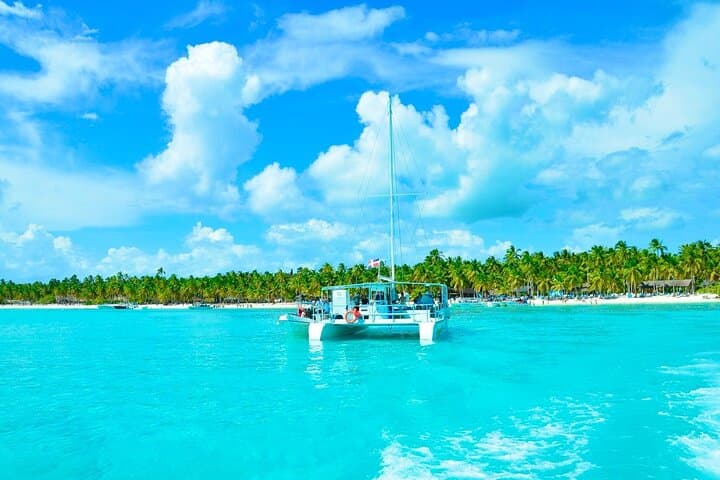


A white catamaran parts the Caribbean like a hand through satin; the sea breathes warm and shallow as the coast of Isla Saona slides into view. Travelers step from boat to sugar-fine sand, where palms tilt toward the water as if inspecting visitors, and the tide teases with a dozen shades of turquoise.
A white catamaran parts the Caribbean like a hand through satin; the sea breathes warm and shallow as the coast of Isla Saona slides into view. Travelers step from boat to sugar-fine sand, where palms tilt toward the water as if inspecting visitors, and the tide teases with a dozen shades of turquoise.
Saona sits at the southeastern edge of the Dominican Republic, part of Parque Nacional Cotubanamá, an area shaped by limestone, coral reefs and centuries of marine trade. The island’s beaches were once frequented by indigenous Taíno communities; later, fishing villages left subtle marks on local food and rhythm. Geologically, the reef flats and the island’s sand are products of coral and shell breakdown, which is why the water here filters light so cleanly.
Culturally the day is relaxed: Dominican buffet lunch, live music on shore, and easy conversations with boat crews who know the currents and best snorkel spots. Expect a snorkeling stop above shallow reefs, a visit to a “natural pool” where waist-deep water holds the horizon, and free-flowing drinks on board.
Practically: tours are full-day (about 6 hours) with moderate boat time and light walking on sand. Bring reef-safe sunscreen, a snorkel mask, cash for tips and photos, and a lightweight cover-up for sun and wind. Seas are usually calm in dry months but can be choppy in the rainy season; motion sensitivity is common on the crossing. For first-time visitors, arrive hydrated, use biodegradable sunscreen, and let the pace here be measured by tides and palms — the island answers in quiet ways.