THE ADVENTURE COLLECTIVE® · Independent discovery and booking for outdoor travel

Learn the flow of Brazilian Zouk in a 90-minute, instructor-led session in São Paulo. The class blends fundamentals, partnered drills, and social practice—ideal for couples or groups at any skill level.
Learn the flow of Brazilian Zouk in a 90-minute, instructor-led session in São Paulo. The class blends fundamentals, partnered drills, and social practice—ideal for couples or groups at any skill level.
You step into a warmly lit studio in São Paulo, hardwood underfoot and a pulse of percussion in the walls—partners test basic holds, laughter punctuates practice, and the music rolls like a tide.
Verified experiences and guided adventures in the surrounding area.
Operated by Salsa Lovers Worldwide · São Paulo, São Paulo
You step into a warmly lit studio in São Paulo, hardwood underfoot and a pulse of percussion in the walls—partners test basic holds, laughter punctuates practice, and the music rolls like a tide.
Zouk in Brazil evolved from the lambada revival of the late 1980s and morphed into a smoother, partner-centered expression favored in urban dance halls. São Paulo, sitting on the Planalto Paulista with the Serra do Mar to the east, is less about geology than its dense cultural layers: migrant neighborhoods, live-music venues, and social clubs that keep partner dances alive.
This 90-minute, instructor-led session walks beginners through foundational steps and gives intermediate dancers room to expand frame, turns, and musical interpretation. Expect a mix of warm-ups, partnered drills, and social-practice time; instructors tailor sequences to the group’s level so the same class can include absolute beginners and experienced dancers refining lead-follow dynamics.
Practical guidance: wear supportive, flexible shoes (suede or leather soles if you have them), breathable clothing, and bring water. Plan to arrive 10–15 minutes early to register and warm up. Public transit access in central São Paulo is good; travel lightly and leave valuables at your accommodation. The operator notes a moderate fitness expectation—classes involve sustained standing, repeated pivots, and partner resistance.
Whether you’re booking for a date night, a group event, or a bachelorette party, this is a fast, social way to pick up Brazilian partner dance vocabulary and plug into São Paulo’s active nightlife network.
moderate.
90 minutes.
Moderate — standing, repeated pivots, and partner resistance; reasonable cardiovascular stamina and ankle/knee stability help.
No — the class accommodates all levels; instructors review basics and progress to intermediate moves as the group allows.
All sales are final for this product; refunds are not offered for cancellations.
Yes — the studio is located near São Paulo transit options; check your booking confirmation for the exact address and directions.
Yes — organizers accept custom events such as birthdays, proposals, and bachelorette parties; contact the host to arrange specifics.
Brazilian Zouk developed from lambada influences and international zouk rhythms; São Paulo’s clubs and social schools have been central to its spread and evolution.
Support neighborhood venues by using public transit, limiting single-use plastic, and respecting noise rules; small studios rely on regular local patronage for sustainability.
Salsa Lovers Worldwide operates guided outdoor trips and adventures with an emphasis on safety, stewardship, and memorable experiences.
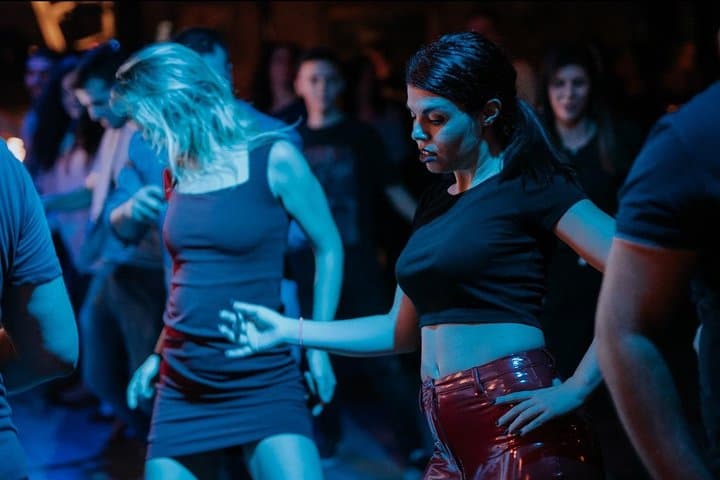
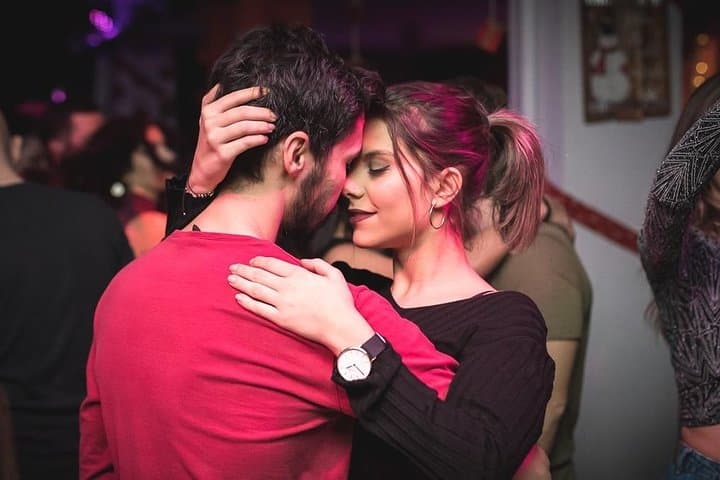
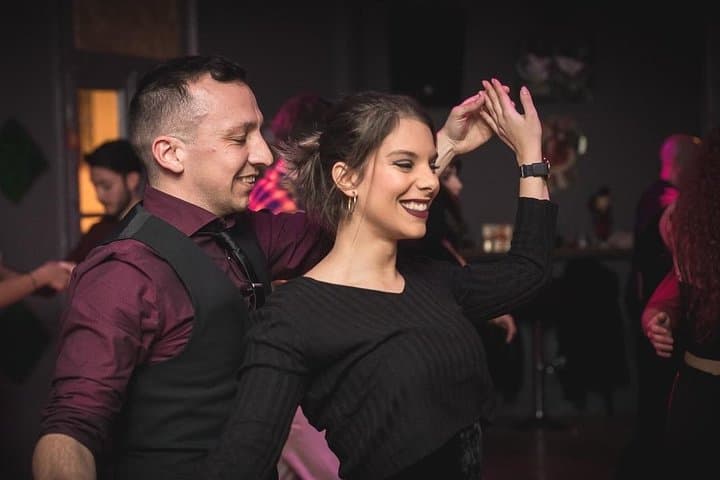
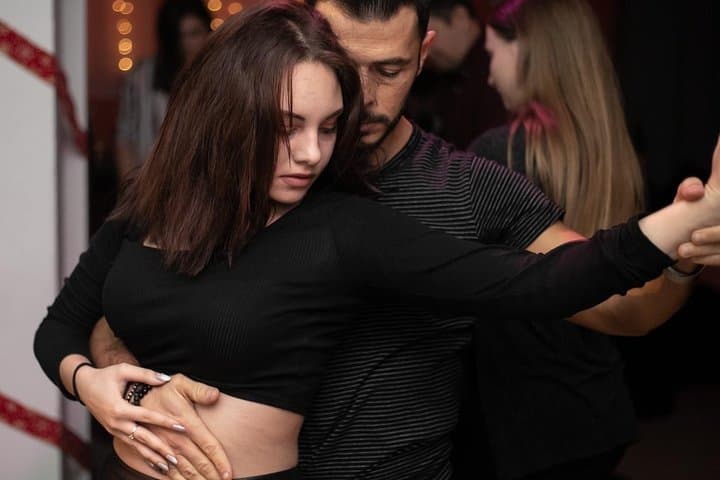
You step into a warmly lit studio in São Paulo, hardwood underfoot and a pulse of percussion in the walls—partners test basic holds, laughter punctuates practice, and the music rolls like a tide.
You step into a warmly lit studio in São Paulo, hardwood underfoot and a pulse of percussion in the walls—partners test basic holds, laughter punctuates practice, and the music rolls like a tide.
Zouk in Brazil evolved from the lambada revival of the late 1980s and morphed into a smoother, partner-centered expression favored in urban dance halls. São Paulo, sitting on the Planalto Paulista with the Serra do Mar to the east, is less about geology than its dense cultural layers: migrant neighborhoods, live-music venues, and social clubs that keep partner dances alive.
This 90-minute, instructor-led session walks beginners through foundational steps and gives intermediate dancers room to expand frame, turns, and musical interpretation. Expect a mix of warm-ups, partnered drills, and social-practice time; instructors tailor sequences to the group’s level so the same class can include absolute beginners and experienced dancers refining lead-follow dynamics.
Practical guidance: wear supportive, flexible shoes (suede or leather soles if you have them), breathable clothing, and bring water. Plan to arrive 10–15 minutes early to register and warm up. Public transit access in central São Paulo is good; travel lightly and leave valuables at your accommodation. The operator notes a moderate fitness expectation—classes involve sustained standing, repeated pivots, and partner resistance.
Whether you’re booking for a date night, a group event, or a bachelorette party, this is a fast, social way to pick up Brazilian partner dance vocabulary and plug into São Paulo’s active nightlife network.