THE ADVENTURE COLLECTIVE® · Independent discovery and booking for outdoor travel

Learn basic samba and pagode steps in a 90-minute, mixed-level class in São Paulo — an intimate cultural session that pairs history with hands-on practice. Perfect for solo travelers or groups wanting an authentic night of rhythm and movement.
Learn basic samba and pagode steps in a 90-minute, mixed-level class in São Paulo — an intimate cultural session that pairs history with hands-on practice. Perfect for solo travelers or groups wanting an authentic night of rhythm and movement.
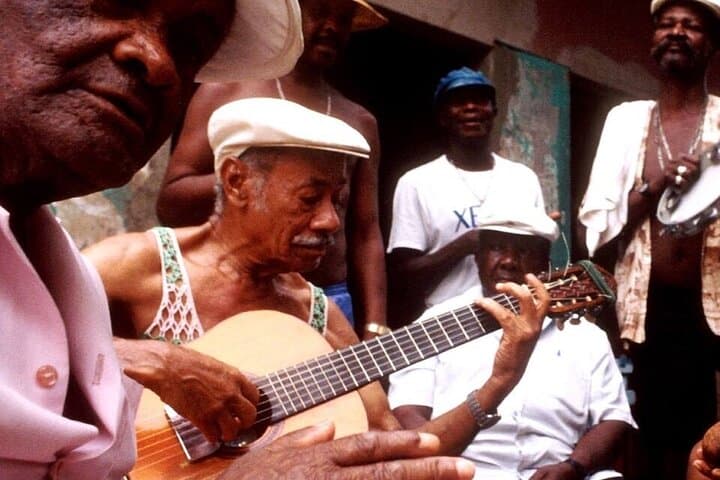
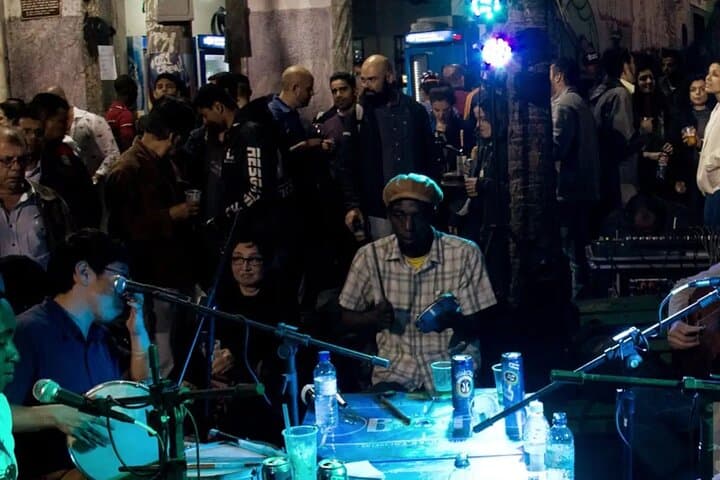
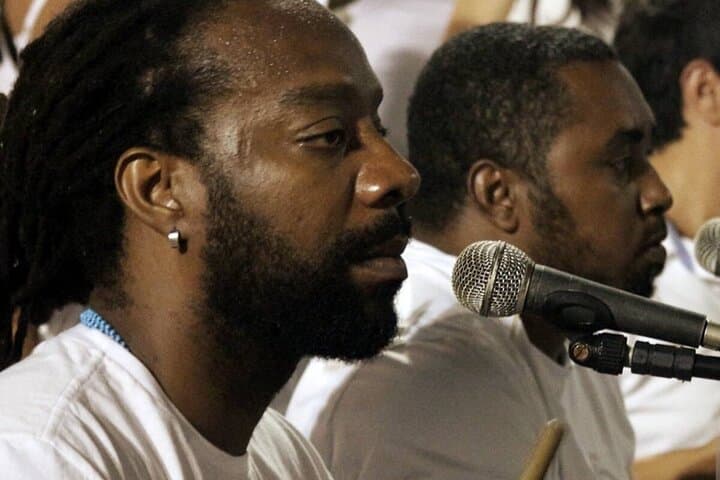
You step into a low-lit room and the first beat finds your ribs — surdo thumps, cavaquinho bright and a voice that pulls the chorus in. The host greets the group, the floor hums with conversation and the promise of movement: tonight is pagode and samba, São Paulo style.
Verified experiences and guided adventures in the surrounding area.
Operated by Salsa Lovers Worldwide · São Paulo, São Paulo
You step into a low-lit room and the first beat finds your ribs — surdo thumps, cavaquinho bright and a voice that pulls the chorus in. The host greets the group, the floor hums with conversation and the promise of movement: tonight is pagode and samba, São Paulo style.
Samba and pagode are living traditions with roots in Afro-Brazilian communities; while pagode emerged as an intimate, club-born subgenre, São Paulo made it its own with energetic backyard rodas and neighborhood parties. The city sits on a high coastal plateau carved by rivers and dotted with parks — the urban green pockets where musicians often hone rhythms between rehearsals and shows.
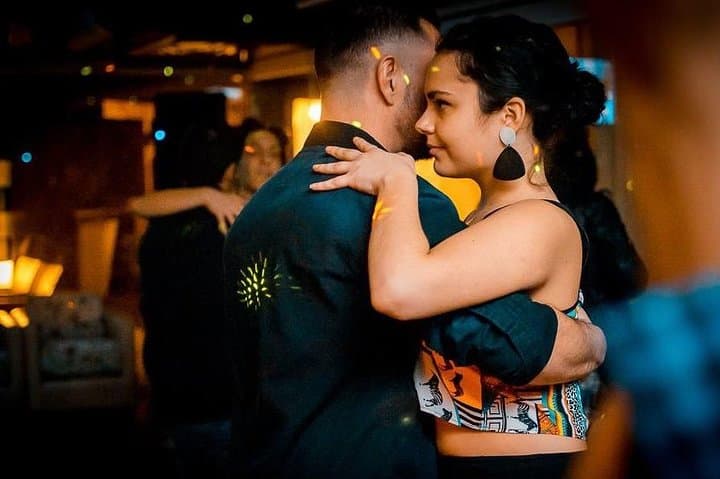
Expect a 90-minute, mixed-level class that blends a short history lesson with call-and-response singing and hands-on steps. Instructors demonstrate footwork and basic body isolation, then break into partner moves and social-dance patterns you can use in local clubs. The session typically includes a live band or recorded accompaniment and ends with an open practice where attendees rotate partners.
Practical guidance: wear flat, supportive shoes and breathable clothing; hydrate beforehand — the room warms quickly when the music picks up. Arrive 10–15 minutes early to check in and secure a spot near the front. Photography is usually welcome but follow the host’s cue during teaching. If you want private events (birthdays, proposals), inquire in advance — many operators customize playlists and lesson plans.
This experience is cultural and social: show up ready to follow, clap, laugh, and leave with a basic samba vocabulary and a fresh playlist to practice.
easy.
1.5 hours.
Suitable for all fitness levels; basic mobility and balance are helpful for partner moves.
No — classes are taught for all levels with instructors adjusting steps and combos to each group.
Most hosts teach in Portuguese and use clear demonstration; many provide English translation when needed—confirm ahead of time if you require English instruction.
Yes — operators typically offer custom events (birthdays, proposals, bachelorette parties); contact the host to arrange music, format and pricing.
All sales are final for this listing; refunds are not available, so confirm participant availability before booking.
Samba and pagode trace back to Afro-Brazilian communities; São Paulo developed a distinctive scene through neighborhood rodas and club culture in the 20th century.
Support local venues and musicians directly, avoid single-use plastic in venues, and respect noise rules—sustainable cultural tourism helps preserve live music spaces.
Salsa Lovers Worldwide operates guided outdoor trips and adventures with an emphasis on safety, stewardship, and memorable experiences.
You step into a low-lit room and the first beat finds your ribs — surdo thumps, cavaquinho bright and a voice that pulls the chorus in. The host greets the group, the floor hums with conversation and the promise of movement: tonight is pagode and samba, São Paulo style.
You step into a low-lit room and the first beat finds your ribs — surdo thumps, cavaquinho bright and a voice that pulls the chorus in. The host greets the group, the floor hums with conversation and the promise of movement: tonight is pagode and samba, São Paulo style.
Samba and pagode are living traditions with roots in Afro-Brazilian communities; while pagode emerged as an intimate, club-born subgenre, São Paulo made it its own with energetic backyard rodas and neighborhood parties. The city sits on a high coastal plateau carved by rivers and dotted with parks — the urban green pockets where musicians often hone rhythms between rehearsals and shows.
Expect a 90-minute, mixed-level class that blends a short history lesson with call-and-response singing and hands-on steps. Instructors demonstrate footwork and basic body isolation, then break into partner moves and social-dance patterns you can use in local clubs. The session typically includes a live band or recorded accompaniment and ends with an open practice where attendees rotate partners.
Practical guidance: wear flat, supportive shoes and breathable clothing; hydrate beforehand — the room warms quickly when the music picks up. Arrive 10–15 minutes early to check in and secure a spot near the front. Photography is usually welcome but follow the host’s cue during teaching. If you want private events (birthdays, proposals), inquire in advance — many operators customize playlists and lesson plans.
This experience is cultural and social: show up ready to follow, clap, laugh, and leave with a basic samba vocabulary and a fresh playlist to practice.