THE ADVENTURE COLLECTIVE® · Independent discovery and booking for outdoor travel

A private three-day minibus itinerary along Japan’s Sanyō corridor linking Osaka with Fukuoka via Himeji, Kurashiki, Onomichi, Miyajima and Hiroshima. Expect castle keeps, temple trails, a short ferry to the famous floating torii, and steady coastal scenery.
A private three-day minibus itinerary along Japan’s Sanyō corridor linking Osaka with Fukuoka via Himeji, Kurashiki, Onomichi, Miyajima and Hiroshima. Expect castle keeps, temple trails, a short ferry to the famous floating torii, and steady coastal scenery.
The day begins on an early Osaka street as a 7m minibus idles and the city slides behind you—towering concrete giving way to rice paddies, castle-studded hills, and the wide sweep of the Seto Inland Sea. Passengers settle into private seats; the road traces the historic Sanyō route, a corridor that has linked Japan’s western cities for centuries.
Verified experiences and guided adventures in the surrounding area.
Operated by charter bus LEED ONE in Fukuoka, Japan · Osaka, Osaka Prefecture
The day begins on an early Osaka street as a 7m minibus idles and the city slides behind you—towering concrete giving way to rice paddies, castle-studded hills, and the wide sweep of the Seto Inland Sea. Passengers settle into private seats; the road traces the historic Sanyō route, a corridor that has linked Japan’s western cities for centuries.
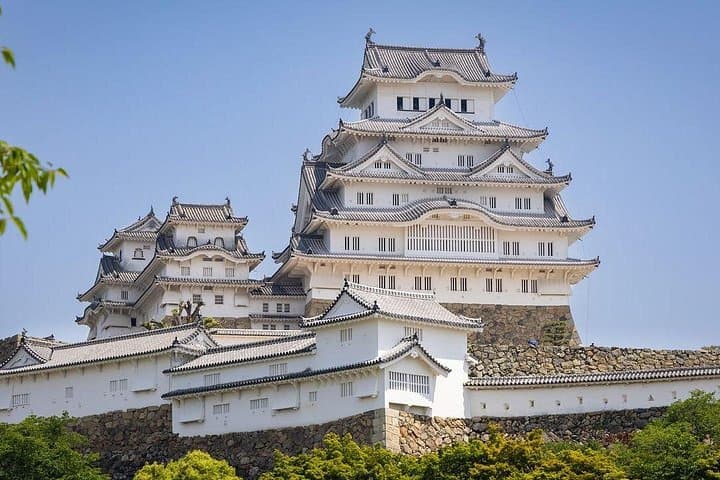
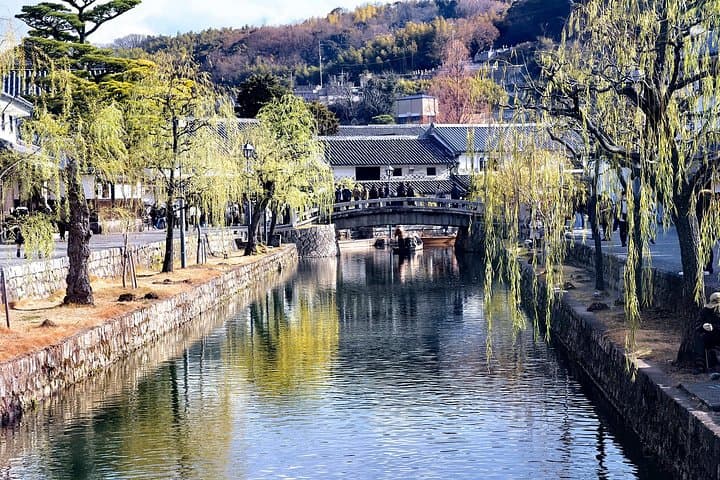
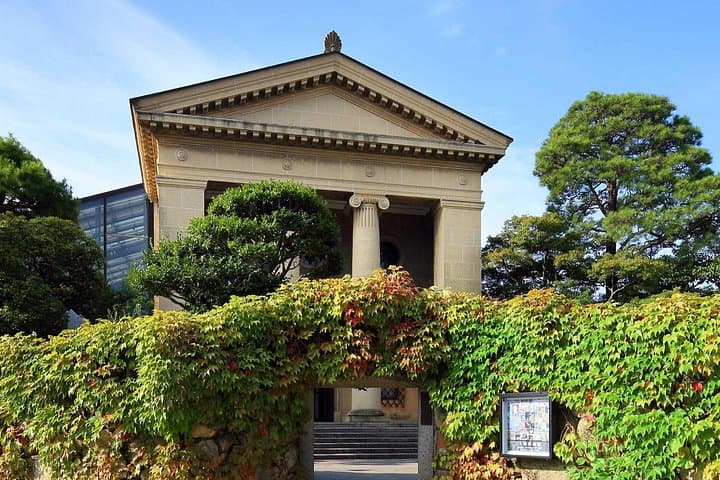
Himeji introduces feudal Japan with its white plaster keep and labyrinthine defenses, a medieval stronghold standing high on a low hill. Kurashiki’s Bikan quarter follows with its low-roofed storehouses and canals that carry commerce memories. Onomichi is quieter: temple trails climb Mount Senkoji, where the city and many bridges look like a map folded into the sea. Miyajima’s red torii dares the tide to float it, while Hiroshima’s Peace Memorial Park forces a pause—open lawns and a low-profile museum mark a painful modern history.
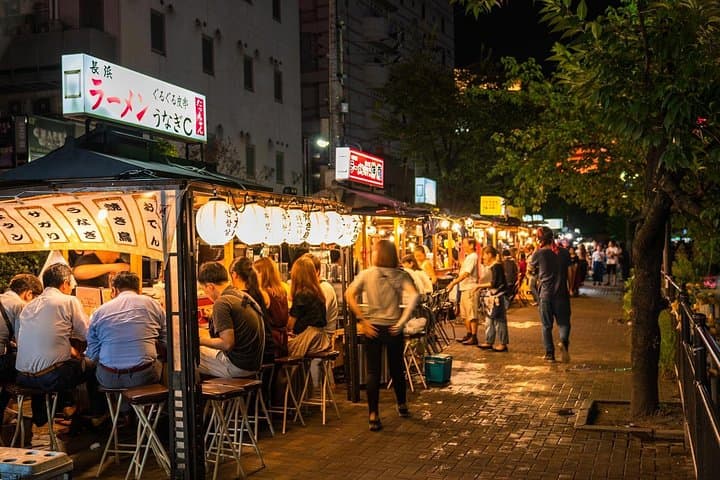
Geology here is gentle—sedimentary plains and sheltered channels that shaped trade and town placement. Culture is regional: Hiroshima-style okonomiyaki, shrine etiquette on Miyajima, and seafood markets where local fish still set the day’s rhythm.
Practically, expect frequent short walks (stairs in castles and temples), a 10-minute ferry to Miyajima, and some narrow streets in Kurashiki. Carry a small daypack, comfortable shoes, a rain layer, and cash for small admission fees and the ferry. Timing is generous—this private tour favors steady sightseeing over racing from spot to spot, making it a good fit for travelers who want curated access to the Sanyō coast’s principal cultural and coastal highlights.
easy.
3 days.
Suitable for travelers in average condition who can manage short walks, stairs, and boarding a short ferry
The tour typically picks up in Osaka (hotel or arranged pickup) and ends at Kokura Station in Kitakyushu, with multiple hotel drop-offs during the route.
Most bus and many public areas noted are wheelchair accessible, but some historic sites (castle interiors, shrine walkways) have steps—check specific site access in advance.
Yes—ferry fare is paid on site (about ¥200 one-way per adult); some smaller site admissions also require separate fees.
The minibus has limited trunk space; travel light or confirm luggage arrangements at booking to ensure everything fits.
The Sanyō corridor developed as a coastal trade route linking feudal domains; Himeji Castle exemplifies the military architecture that protected those routes.
Many sites emphasize respectful behavior—avoid feeding wildlife on Miyajima, follow designated paths, and minimize single-use plastics to reduce local impacts.
charter bus LEED ONE in Fukuoka, Japan operates guided outdoor trips and adventures with an emphasis on safety, stewardship, and memorable experiences.
The day begins on an early Osaka street as a 7m minibus idles and the city slides behind you—towering concrete giving way to rice paddies, castle-studded hills, and the wide sweep of the Seto Inland Sea. Passengers settle into private seats; the road traces the historic Sanyō route, a corridor that has linked Japan’s western cities for centuries.
The day begins on an early Osaka street as a 7m minibus idles and the city slides behind you—towering concrete giving way to rice paddies, castle-studded hills, and the wide sweep of the Seto Inland Sea. Passengers settle into private seats; the road traces the historic Sanyō route, a corridor that has linked Japan’s western cities for centuries.
Himeji introduces feudal Japan with its white plaster keep and labyrinthine defenses, a medieval stronghold standing high on a low hill. Kurashiki’s Bikan quarter follows with its low-roofed storehouses and canals that carry commerce memories. Onomichi is quieter: temple trails climb Mount Senkoji, where the city and many bridges look like a map folded into the sea. Miyajima’s red torii dares the tide to float it, while Hiroshima’s Peace Memorial Park forces a pause—open lawns and a low-profile museum mark a painful modern history.
Geology here is gentle—sedimentary plains and sheltered channels that shaped trade and town placement. Culture is regional: Hiroshima-style okonomiyaki, shrine etiquette on Miyajima, and seafood markets where local fish still set the day’s rhythm.
Practically, expect frequent short walks (stairs in castles and temples), a 10-minute ferry to Miyajima, and some narrow streets in Kurashiki. Carry a small daypack, comfortable shoes, a rain layer, and cash for small admission fees and the ferry. Timing is generous—this private tour favors steady sightseeing over racing from spot to spot, making it a good fit for travelers who want curated access to the Sanyō coast’s principal cultural and coastal highlights.