THE ADVENTURE COLLECTIVE® · Independent discovery and booking for outdoor travel

Learn to breathe underwater in three days with a PADI Open Water course based in Sanur. Pool training in calm waters is followed by bay dives and an exploration day at Padang Bai or Tulamben.
Learn to breathe underwater in three days with a PADI Open Water course based in Sanur. Pool training in calm waters is followed by bay dives and an exploration day at Padang Bai or Tulamben.
Salted air and the soft slap of small waves set the scene as you stand on Sanur’s calm beachfront ready to learn to breathe underwater. On day one the pool becomes a classroom of movement: regulators, buoyancy practice, and the strange peace of weights sliding off. By day two the bay’s gentle reef dares you to look deeper; by day three the current and coral of Padang Bai or Tulamben teach you how the ocean rewards respect.
Verified experiences and guided adventures in the surrounding area.
Operated by Bali Diving Academy · Sanur, Bali
Salted air and the soft slap of small waves set the scene as you stand on Sanur’s calm beachfront ready to learn to breathe underwater. On day one the pool becomes a classroom of movement: regulators, buoyancy practice, and the strange peace of weights sliding off. By day two the bay’s gentle reef dares you to look deeper; by day three the current and coral of Padang Bai or Tulamben teach you how the ocean rewards respect.
Bali’s eastern shores are volcanic in origin — black-sand beaches and dramatic reefs formed from lava flows and coral growth centuries in the making. The island’s coastal villages keep a living relationship with the sea: nets and temples coexist with dive shops that grew here after tourism arrived in the late 20th century. Locally, Padang Bai and Tulamben are known for clear walls, vibrant reef gardens and, in Tulamben’s case, the famous WWII-era USAT Liberty wreck just off the shore.
Practical guidance: the course follows PADI Open Water standards — online theory plus a confined water session and four open-water dives over three days. Expect morning pickups, equipment briefings, and two-tank days on the open water. Bring a comfortable swimsuit, a towel, and sea sickness medication if you’re prone to motion. Hydrate, eat a light breakfast before dives, and follow your instructor’s rules for surface intervals.
After certification you’ll be qualified to dive to 18 meters worldwide; the trick is practicing buoyancy and reef etiquette so the reefs keep offering their life and color for years to come.
moderate.
3 days (total course; daily sessions vary).
Moderate fitness — comfortable swimming ability and basic stamina for multiple surface swims and equipment handling.
PADI Open Water certification is available from age 10 (Junior Open Water); confirm with the operator for age-specific requirements.
Yes — you can complete PADI e-learning before arrival or review and finish it during the three-day schedule with your instructor.
Certain conditions (heart, respiratory, pregnancy, spinal issues) can disqualify you; bring medical clearance if you have concerns and answer booking health questions honestly.
Day three is usually at Padang Bai or Tulamben depending on conditions; Nusa Penida may be possible as an upgrade for stronger currents and bigger marine life.
Tulamben hosts the WWII USAT Liberty wreck that became a reef dive icon, while Sanur’s coast reflects Bali’s long coastal fishing and temple traditions.
Operators encourage reef-safe sunscreens, buoyancy control, and no-touch policies; protecting coral and reducing anchor damage are local priorities.
Bali Diving Academy operates guided outdoor trips and adventures with an emphasis on safety, stewardship, and memorable experiences.
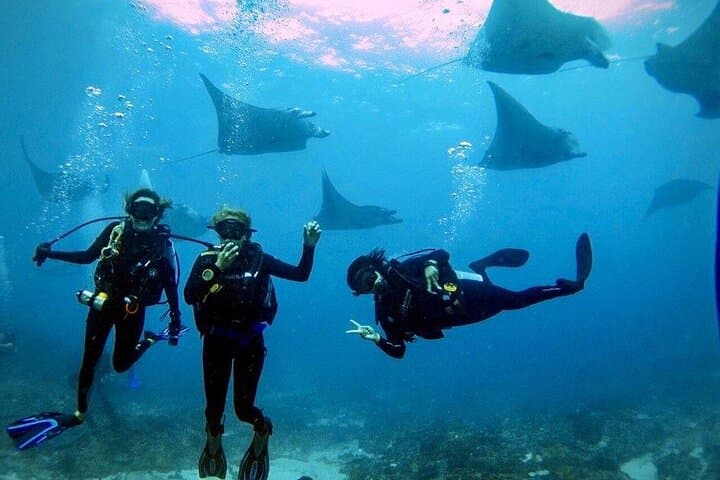


Salted air and the soft slap of small waves set the scene as you stand on Sanur’s calm beachfront ready to learn to breathe underwater. On day one the pool becomes a classroom of movement: regulators, buoyancy practice, and the strange peace of weights sliding off. By day two the bay’s gentle reef dares you to look deeper; by day three the current and coral of Padang Bai or Tulamben teach you how the ocean rewards respect.
Salted air and the soft slap of small waves set the scene as you stand on Sanur’s calm beachfront ready to learn to breathe underwater. On day one the pool becomes a classroom of movement: regulators, buoyancy practice, and the strange peace of weights sliding off. By day two the bay’s gentle reef dares you to look deeper; by day three the current and coral of Padang Bai or Tulamben teach you how the ocean rewards respect.
Bali’s eastern shores are volcanic in origin — black-sand beaches and dramatic reefs formed from lava flows and coral growth centuries in the making. The island’s coastal villages keep a living relationship with the sea: nets and temples coexist with dive shops that grew here after tourism arrived in the late 20th century. Locally, Padang Bai and Tulamben are known for clear walls, vibrant reef gardens and, in Tulamben’s case, the famous WWII-era USAT Liberty wreck just off the shore.
Practical guidance: the course follows PADI Open Water standards — online theory plus a confined water session and four open-water dives over three days. Expect morning pickups, equipment briefings, and two-tank days on the open water. Bring a comfortable swimsuit, a towel, and sea sickness medication if you’re prone to motion. Hydrate, eat a light breakfast before dives, and follow your instructor’s rules for surface intervals.
After certification you’ll be qualified to dive to 18 meters worldwide; the trick is practicing buoyancy and reef etiquette so the reefs keep offering their life and color for years to come.