THE ADVENTURE COLLECTIVE® · Independent discovery and booking for outdoor travel

Discover Santorini’s volcanic wines on a private 3.5-hour tour that combines cliffside vistas with cellar visits. Taste assyrtiko and Vinsanto while learning how wind, salt and pumice soil shape the island’s distinctive wines.
Discover Santorini’s volcanic wines on a private 3.5-hour tour that combines cliffside vistas with cellar visits. Taste assyrtiko and Vinsanto while learning how wind, salt and pumice soil shape the island’s distinctive wines.
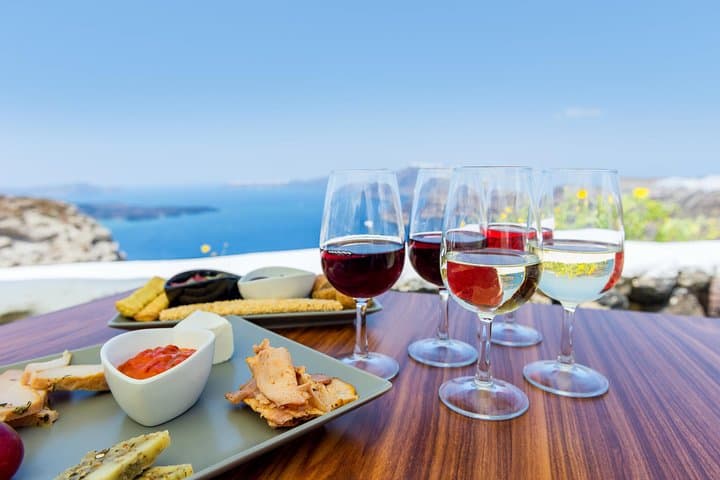
Cliffside wind pushes the salt-scented air across the caldera as a private vehicle threads narrow island roads toward sunkissed vineyards carved into volcanic slopes. Guests step out at a low-slung concrete terrace with sweeping views of the Aegean and the black ridges where vines cling to the soil — this is Santorini’s tasting room.
Verified experiences and guided adventures in the surrounding area.
Operated by Sunbird Travel Agency · Thera (Santorini), South Aegean
Cliffside wind pushes the salt-scented air across the caldera as a private vehicle threads narrow island roads toward sunkissed vineyards carved into volcanic slopes. Guests step out at a low-slung concrete terrace with sweeping views of the Aegean and the black ridges where vines cling to the soil — this is Santorini’s tasting room.
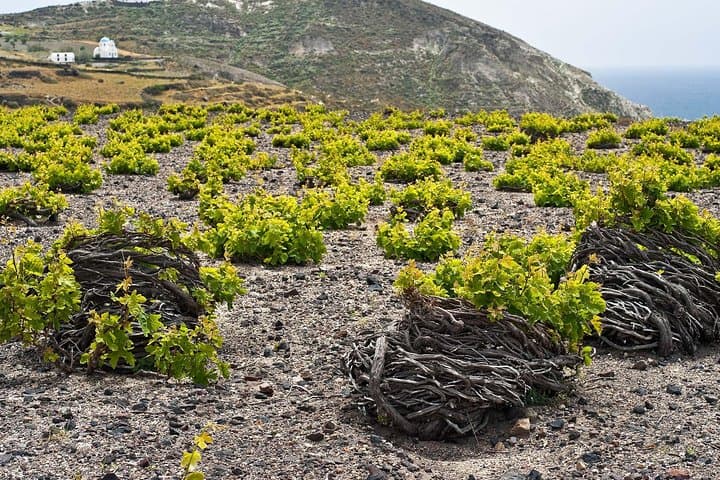
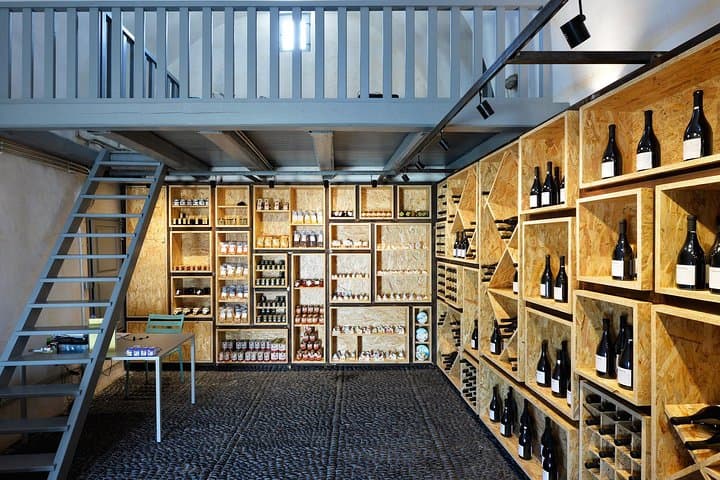
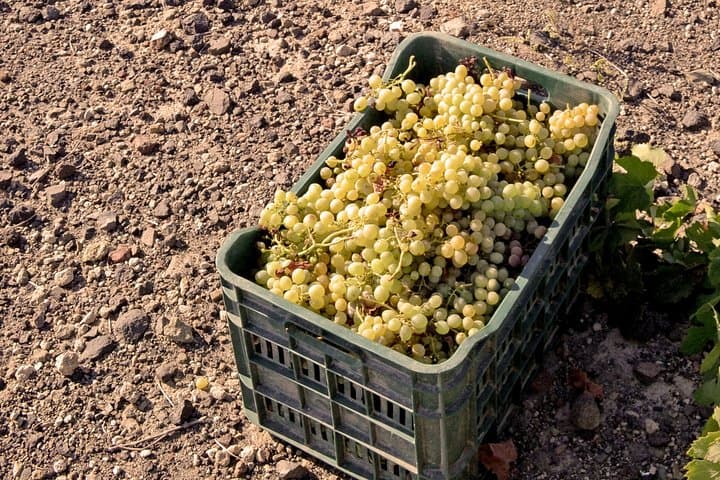
Santorini’s wine story is geological: millennia of volcanic eruptions left pumice-rich, mineral-dense soils and a hardened cap that forces roots wide rather than deep. The island’s signature grape, assyrtiko, evolved here to resist wind, heat and salt spray; Vinsanto, a fortified dessert wine, reflects centuries of local craft. Visiting both traditional family cellars and modern facilities, like the mid-century Venetsanos and the contemporary Hatzidakis, reveals the arc from subterranean amphorae to stainless-steel precision.
Culturally, wine is woven into village life — small-plate pairings, local cheeses and sun-dried tomatoes appear alongside explanations of pruning methods and amphora fermentation. Stop at Profitis Ilias for a panoramic perspective that shows how topography shapes terroir.
Practical guidance: tours run about 3.5 hours with short walks at each estate; expect paved and gravel surfaces and some steps into cellars. Bring a light jacket—wind is constant—and wear comfortable shoes for uneven ground. Hydrate between tastings and pace your sampling; bottled water and snacks are typically provided. Book a private transfer if staying in Fira or Oia to avoid tight parking and to give time for photography. For safety and the best light, schedule tastings late afternoon when the caldera blushes and the island cools.
easy.
3–4 hours.
Suitable for most fitness levels; requires short walks and standing during tastings
Typical duration is about 3.5 hours (210 minutes), visiting multiple wineries with guided tastings.
Yes — private, air-conditioned transportation between sites is included as part of the tour.
Bottled water and snacks are included; many wineries also pair tastings with small local plates.
The tour can accommodate children for transport, but tastings are for adults; inform the operator about special requirements when booking.
Wine production on Santorini stretches back to ancient times; the island’s amphora-era techniques influenced regional trade and later Venetian and Ottoman viticulture traditions.
Vineyards here use low-vigor pruning and terracing that reduce erosion; visitors are encouraged to respect dry-stone walls and avoid trampling young vines.
Sunbird Travel Agency operates guided outdoor trips and adventures with an emphasis on safety, stewardship, and memorable experiences.
Cliffside wind pushes the salt-scented air across the caldera as a private vehicle threads narrow island roads toward sunkissed vineyards carved into volcanic slopes. Guests step out at a low-slung concrete terrace with sweeping views of the Aegean and the black ridges where vines cling to the soil — this is Santorini’s tasting room.
Cliffside wind pushes the salt-scented air across the caldera as a private vehicle threads narrow island roads toward sunkissed vineyards carved into volcanic slopes. Guests step out at a low-slung concrete terrace with sweeping views of the Aegean and the black ridges where vines cling to the soil — this is Santorini’s tasting room.
Santorini’s wine story is geological: millennia of volcanic eruptions left pumice-rich, mineral-dense soils and a hardened cap that forces roots wide rather than deep. The island’s signature grape, assyrtiko, evolved here to resist wind, heat and salt spray; Vinsanto, a fortified dessert wine, reflects centuries of local craft. Visiting both traditional family cellars and modern facilities, like the mid-century Venetsanos and the contemporary Hatzidakis, reveals the arc from subterranean amphorae to stainless-steel precision.
Culturally, wine is woven into village life — small-plate pairings, local cheeses and sun-dried tomatoes appear alongside explanations of pruning methods and amphora fermentation. Stop at Profitis Ilias for a panoramic perspective that shows how topography shapes terroir.
Practical guidance: tours run about 3.5 hours with short walks at each estate; expect paved and gravel surfaces and some steps into cellars. Bring a light jacket—wind is constant—and wear comfortable shoes for uneven ground. Hydrate between tastings and pace your sampling; bottled water and snacks are typically provided. Book a private transfer if staying in Fira or Oia to avoid tight parking and to give time for photography. For safety and the best light, schedule tastings late afternoon when the caldera blushes and the island cools.