THE ADVENTURE COLLECTIVE® · Independent discovery and booking for outdoor travel

An eight-hour private tour that stitches Santorini’s caldera vistas, archaeological mysteries, black- and red-sand shores, and a winery stop into one accessible day. Ideal for travelers who want curated views, cultural context, and practical pacing.
An eight-hour private tour that stitches Santorini’s caldera vistas, archaeological mysteries, black- and red-sand shores, and a winery stop into one accessible day. Ideal for travelers who want curated views, cultural context, and practical pacing.
You step out of the shaded vehicle and the caldera opens: cliff faces drop to glassy blue, wind teasing bougainvillea over whitewashed steps. The day moves at a deliberate pace—short walks through alleys, a stop on volcanic shorelines, and slow, curated views from cliff-top villages that make the island feel like a lived-in postcard.
Verified experiences and guided adventures in the surrounding area.
Operated by Santobros · Fira, South Aegean
You step out of the shaded vehicle and the caldera opens: cliff faces drop to glassy blue, wind teasing bougainvillea over whitewashed steps. The day moves at a deliberate pace—short walks through alleys, a stop on volcanic shorelines, and slow, curated views from cliff-top villages that make the island feel like a lived-in postcard.
Santorini’s modern silhouette is written in fire and sea. The volcanic collapse of the Minoan-era eruption forged the caldera you now peer into; Akrotiri preserves Bronze Age streets and frescoes that hint at a sophisticated island life interrupted by ash. Scattered Venetian towers and Cycladic churches map later chapters—trade, seafaring, and island resilience.
Geology shows in the colors: red cliffs, black sand, and white towns carved into pumice and tuff. Local culture bends around wine—assorted assyrtiko vines grown in low, basket-shaped plots survive the thin soil and persistent wind, producing wines that taste like the island itself.
Practical guidance: plan for sun and steps. The tour is private and eight hours long; expect multiple short stops (beaches, archaeological site, Oia, Fira, wineries). Bring sturdy shoes for uneven alleyways and cliff edges, and a refillable bottle—the island conserves water. Photographers should time the Oia visit: light shifts quickly around sunset and crowds grow.
The route is accessible for most fitness levels but includes some uphill cobbled streets. Respect marked ruins at Akrotiri, buy snacks from local kafeneia to support small businesses, and carry cash for smaller wineries. With focused pacing and practical prep, the island’s drama unfolds without rush.
easy.
8 hours.
Light walking ability; able to manage short uphill cobbled streets and steps.
Akrotiri archaeological site and certain winery tastings typically require separate admission or tasting fees; confirm specifics with your tour operator before booking.
This private tour generally includes pickup within Santorini towns (Fira, Oia, cruise port transfers are possible); confirm your exact pickup location when you book.
The itinerary is family-friendly but many village streets and archaeological areas have steps and uneven surfaces; strollers may be difficult in those spots.
Local wineries can often accommodate preferences if notified in advance—advise the operator of allergies or dietary needs before the tour.
The island’s modern caldera formed after a massive Bronze Age volcanic eruption; the Akrotiri site preserves a sophisticated Minoan settlement buried by ash.
Santorini faces water scarcity and erosion from heavy visitor use—stick to marked paths, minimize single-use plastics, and support local producers to reduce your footprint.
Santobros operates guided outdoor trips and adventures with an emphasis on safety, stewardship, and memorable experiences.

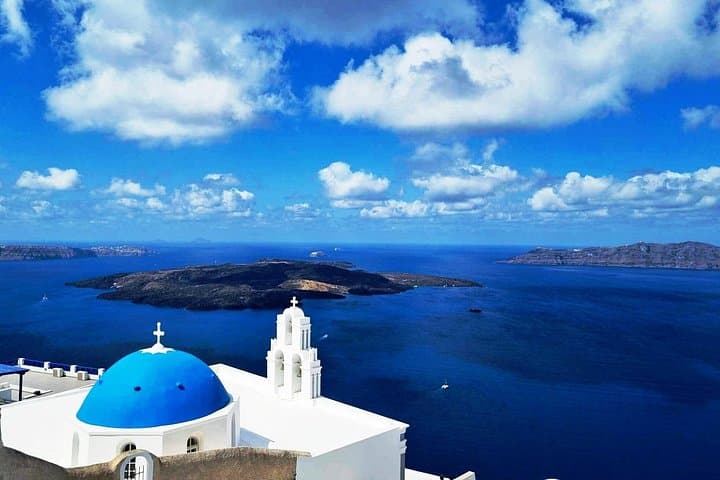
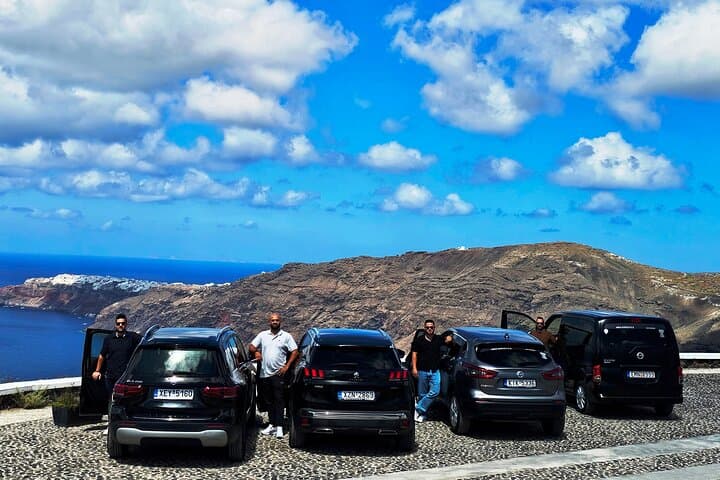

You step out of the shaded vehicle and the caldera opens: cliff faces drop to glassy blue, wind teasing bougainvillea over whitewashed steps. The day moves at a deliberate pace—short walks through alleys, a stop on volcanic shorelines, and slow, curated views from cliff-top villages that make the island feel like a lived-in postcard.
You step out of the shaded vehicle and the caldera opens: cliff faces drop to glassy blue, wind teasing bougainvillea over whitewashed steps. The day moves at a deliberate pace—short walks through alleys, a stop on volcanic shorelines, and slow, curated views from cliff-top villages that make the island feel like a lived-in postcard.
Santorini’s modern silhouette is written in fire and sea. The volcanic collapse of the Minoan-era eruption forged the caldera you now peer into; Akrotiri preserves Bronze Age streets and frescoes that hint at a sophisticated island life interrupted by ash. Scattered Venetian towers and Cycladic churches map later chapters—trade, seafaring, and island resilience.
Geology shows in the colors: red cliffs, black sand, and white towns carved into pumice and tuff. Local culture bends around wine—assorted assyrtiko vines grown in low, basket-shaped plots survive the thin soil and persistent wind, producing wines that taste like the island itself.
Practical guidance: plan for sun and steps. The tour is private and eight hours long; expect multiple short stops (beaches, archaeological site, Oia, Fira, wineries). Bring sturdy shoes for uneven alleyways and cliff edges, and a refillable bottle—the island conserves water. Photographers should time the Oia visit: light shifts quickly around sunset and crowds grow.
The route is accessible for most fitness levels but includes some uphill cobbled streets. Respect marked ruins at Akrotiri, buy snacks from local kafeneia to support small businesses, and carry cash for smaller wineries. With focused pacing and practical prep, the island’s drama unfolds without rush.