THE ADVENTURE COLLECTIVE® · Independent discovery and booking for outdoor travel

Walk tidal flats, watch migrating waders, then step into a traditional canning house to learn how Santoña’s famed anchovies are made—finished with a tasting. This two-hour tour blends natural history and local flavor.
Walk tidal flats, watch migrating waders, then step into a traditional canning house to learn how Santoña’s famed anchovies are made—finished with a tasting. This two-hour tour blends natural history and local flavor.
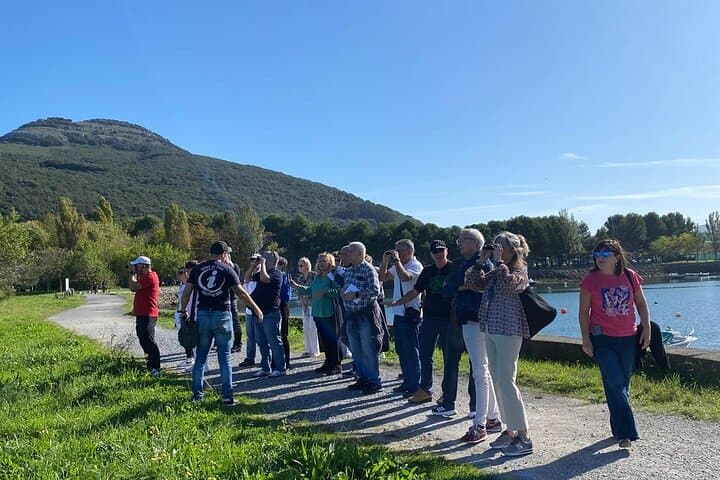
A cool Cantabrian breeze pushes across the estuary as you meet beneath a painted mural that outlines Santoña’s seafaring past. The air is salt and gull calls; the marshes ahead are a patchwork of mudflats and channels where tides sculpt the shoreline and migratory birds probe for food.
Verified experiences and guided adventures in the surrounding area.
Operated by Servicios turísticos Nicolás Chuzeville · Santoña, Cantabria
A cool Cantabrian breeze pushes across the estuary as you meet beneath a painted mural that outlines Santoña’s seafaring past. The air is salt and gull calls; the marshes ahead are a patchwork of mudflats and channels where tides sculpt the shoreline and migratory birds probe for food.
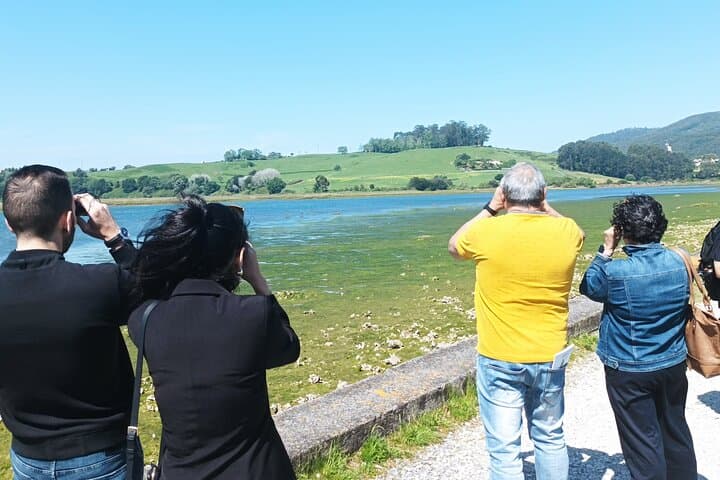
This two-hour loop pairs natural history with local industry. The marshes of Santoña, Victoria y Joyel are one of northern Spain’s principal wetlands—an estuary shaped by sediment from rivers and the Atlantic’s tides. Geologically recent, the flats attract limicola (wading) birds each migration season; the reserve’s mosaics of reed beds and tidal channels tell a story of sediment, sea-level change, and human use.
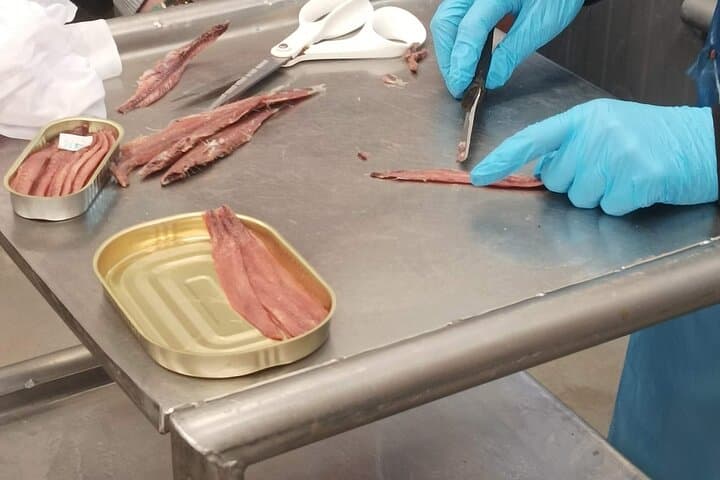
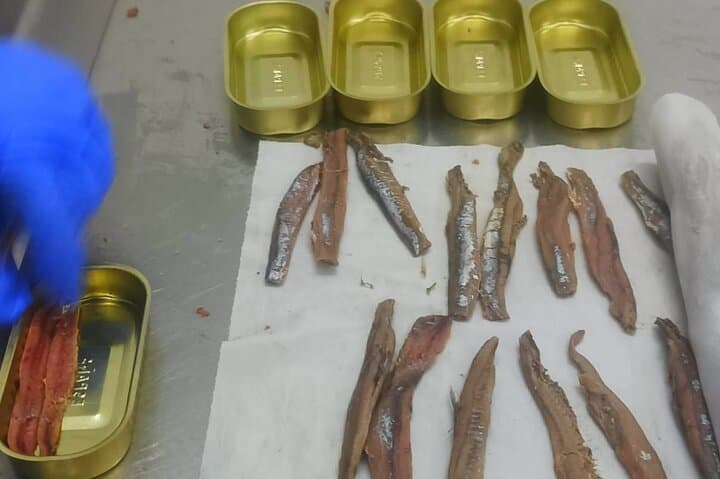
Culturally, Santoña’s canning houses grew in the 19th and 20th centuries around abundant anchovy runs. The factory visit lays out the steps—salting, curing, filleting—and ends with a tasting of anchovy fillet dressed in oil, a local product with a loyal following.
Practical guidance: expect a short, level walk on firm mud and boardwalks (bring sturdy shoes). Binoculars and a weatherproof layer improve the experience—tides change vistas quickly, and morning light favors bird activity. The factory portion is mostly indoors; on some weekends the line may be inactive and a live filleting demo is given instead. The tour runs about 120 minutes, is family-friendly and stroller accessible, and uses public-transport-friendly pickup points. Hydrate, arrive 10 minutes early for the mural introduction, and save room for the tasting—this pairing of marsh and industry is compact, sensory, and distinctly Cantabrian.
easy.
2 hours.
Suitable for most fitness levels; short, level walking on firm and sometimes muddy surfaces
The tour lasts about 120 minutes, including the marsh walk and the factory visit with tasting.
On Saturdays, holidays and bridge days the canning line may be inactive; in that case a staff member usually performs a live filleting demonstration instead.
Yes—short, level sections are stroller-accessible, though some boardwalks may be narrow; infants are accommodated.
Yes—the visit concludes with a tasting of anchovy fillet produced at the factory.
Santoña’s canning industry expanded in the 19th century around abundant anchovy catches; the town’s economy and cuisine are closely tied to this tradition.
The marsh reserve is protected to conserve migratory bird habitat and estuarine processes; visitors are asked to stick to paths and minimize disturbance to feeding birds.
Servicios turísticos Nicolás Chuzeville operates guided outdoor trips and adventures with an emphasis on safety, stewardship, and memorable experiences.
A cool Cantabrian breeze pushes across the estuary as you meet beneath a painted mural that outlines Santoña’s seafaring past. The air is salt and gull calls; the marshes ahead are a patchwork of mudflats and channels where tides sculpt the shoreline and migratory birds probe for food.
A cool Cantabrian breeze pushes across the estuary as you meet beneath a painted mural that outlines Santoña’s seafaring past. The air is salt and gull calls; the marshes ahead are a patchwork of mudflats and channels where tides sculpt the shoreline and migratory birds probe for food.
This two-hour loop pairs natural history with local industry. The marshes of Santoña, Victoria y Joyel are one of northern Spain’s principal wetlands—an estuary shaped by sediment from rivers and the Atlantic’s tides. Geologically recent, the flats attract limicola (wading) birds each migration season; the reserve’s mosaics of reed beds and tidal channels tell a story of sediment, sea-level change, and human use.
Culturally, Santoña’s canning houses grew in the 19th and 20th centuries around abundant anchovy runs. The factory visit lays out the steps—salting, curing, filleting—and ends with a tasting of anchovy fillet dressed in oil, a local product with a loyal following.
Practical guidance: expect a short, level walk on firm mud and boardwalks (bring sturdy shoes). Binoculars and a weatherproof layer improve the experience—tides change vistas quickly, and morning light favors bird activity. The factory portion is mostly indoors; on some weekends the line may be inactive and a live filleting demo is given instead. The tour runs about 120 minutes, is family-friendly and stroller accessible, and uses public-transport-friendly pickup points. Hydrate, arrive 10 minutes early for the mural introduction, and save room for the tasting—this pairing of marsh and industry is compact, sensory, and distinctly Cantabrian.